Explore Dominica by kayak? Try the Waitukubuli Sea Kayak Trail, a 40-ish mile paddle trail down Dominica’s stunning western coastline. For years, Dominica’s rugged landscape and range of outdoor activities had intrigued me, and when Michael Gray of Uncommon Adventures organized this trip, I jumped in. Finally March 2024 arrived, and we were on our way.
Not for the faint of heart
Dominica’s rugged volcanic terrain
Before we met our group from Uncommon Adventures, several of us spent one night at the Jungle Bay Resort, and we agreed that one night was not enough. Their wide range of outdoor activities demands a return trip.
One of three pools
View from our cabin
The next day, we arrived at the Soufriere Outdoor Centre, only a short and steep drive from the Jungle Bay Resort. Wes Moses started the Soufriere Outdoor Centre and, with his Dominican colleagues, established the Waitukubuli Sea Trail which parallels the Waitukubuli Trail through the mountains. After meeting Wes at a Sea Kayak Georgia symposium, I had been following the progress of the guesthouse and trail. Up until now, relatively few have paddled the Waitukubuki Sea Trail, but recent coverage in Travel and Leisure and Youtube should change that. That afternoon, we chose boats and outfitted them for the week. Wes had a wide selection of NDKs (Nigel Dennis Kayaks), and I was fortunate to get a Pilgrim Expedition, a boat I have paddled extensively.
Monday—finally on the water. Michael and Dominican guide Kerry Alleyne led to the southern tip of Dominica, where the Caribbean meets the Atlantic. Michael had warned us about winds whipping through the mountains, but none of us were prepared for the abrupt transition from Caribbean paradise to boat-stopping gusts and back, all in under a minute. The winds dropped as the week went on, but it kept us on our toes.
We climbed up to Scott’s Head, the south end of the trail
That afternoon, we snorkeled around Bubble Beach Spa, a black sand and rock beach so named for the bubbles emerging from the volcanic thermal springs. After a day of paddling and snorkeling, Michael’s grilled snapper, rum punch, and Kubuli beer were a welcome treat. And we learned the mnenonic for the trail: Wai-tu-kubuli? Because one is not enough. Noone suffered from hunger or thirst that week.
Soufriere Sunset
View of Bubble Beach
Snapper on the grill
Snapper galore
Tuesday morning, we crammed three days worth of gear and clothing into our boats and headed north, passing Champagne Beach, another bubbly snorkeling spot. Our destination: Anchorage Hotel in Rousseau, Dominica’s capitol. Despite the heat, that afternoon’s trip to the hot springs felt wonderful, as we tested out the different levels of heat in the pools.
View from the Anchorage Hotel
The hottest of the hot springs
Kerry and Michael snag the Iron Tub
The thermal springs prepped us for our longest day, a 15-ish mile trek from the Anchorage Hotel to Sunset Bay’s Lobster Palace. A slight tailwind and following seas made the trip surprisingly fast and easy. We passed several busy ports along the way, and that was the only time we had to watch for boat traffic during the trip. In Layou, just south of St. Joseph, we experienced what I consider to be the culinary delight of the week: Boyd’s Bakes, fry bread stuffed with a curry-infused smoked fish. Boyds Bakes, in itself, is worth a return visit.
Sunset Bay
Sunset Bay and the Lobster Palace! We dragged our boats on to the beach and settled in for the feast. Noone left the Lobster Palace hungry—we had a three course breakfast!
Caribbean lobster!
En route to Fort Shirley, we snorkeled at Secret Beach, one of the best snorkeling spots of the trip.
“Fort Shirley is part of the Cabrits National Park in the north of Dominica and can be considered Dominica’s most important historic site and was the scene of the famous revolt of the 8th West India Regiment in 1802 when African slave soldiers took over the garrison for three days in protest over conditions there and the fear of being sent to work in the canefields. Their action resulted in all slave soldiers in the British Empire being made free in 1807.”
Unfortunately the fort historian, Dr. Lenox Honeychurch, was unavailable that day. I am often struck at the somber histories of areas of great beauty where I paddle and enjoy nature.
Fort walls make great drying racks
Ordinance storage, I think
Cannons over Douglas Bay
View from our room
Step Up–ginger wine and rum
Layover day—visit to Free Up Farm and Syndicate Falls.
Plants grow big here
Bananas galore
Co-owner and tour guide
Syndicate Falls
Climbing to the Falls Photo by Cynthia Donovan
Photo by Margaret Arneth
Nothing beats a cold Kubuli
Segment 14—The End! The Witches Hat marks the northern terminus of the trail where the Caribbean once again meets with the Atlantic. We had completed the Waitkubuli Sea Trail, and it was time to unload our boats and send them back to Wes in Soufriere.
The next morning, the group split, making our way back to the airport. Kevin, Michael, Lisa and I spent the night at the lovely Sea Cliff Eco-Cottages, which also have a gin distillery. Another site worth a return. En route, we saw some promising waves—a surf trip up next?—and the Point Baptiste Estate Chocolate Factory.
Our amazing time in Dominica had come to an end, and I felt like I had only scratched the surface. So much to do, and so much to learn. Our guide Kerry and our driver Kish from Portsmouth had explained so much to us about Dominica, and that left me eager to return. As they say about Kubuli: Why Two? Because one is not enough. And so with Dominica—one week is not enough.
7 am. The horn blows, and I, Flamingo, shoved my paddleboard—a 14′ x 24′ Sic Maui Atlantis—into Tampa Bay. Destination: Cape Haze Marina in Englewood, Florida, 62 miles south, also Checkpoint 1 of the Everglades Challenge. I was not alone. Over 80 boats stretching along Fort de Soto Park‘s East Beach launched en masse marking the start of Watertribe 2024. As part of Watertribe’s Ultramarathon, I had 35 hours to reach Cape Haze Marina. Those in the 300 mile Everglades Challenge had approximately one week to reach Key Largo.
Lots of gear on that narrow board
Prepping boats and gear
Plenty of sailboats
Flamingo—my tribe name—ready to fly Photo by Kevin Veach
The day prior, we gathered on the beach to set up boats and undergo pre-race inspection. Since participants spend between 1-7 days on the water, we carry a substantial amount of safety/rescue and camping gear as well as food and water. As part of my training, I paddled many miles loaded with gear and practiced getting on and off the board.
Our merry band of paddlers
We arrived pre-dawn, and I was thrilled to see low winds and calm seas. In previous years, rough weather required a Plan B start, a launch south of Tampa Bay. Everyone was excited for a beach start and smooth crossings of Tampa Bay and Sarasota Bay.
Yay, no ships! Photo by Gil Hidalgo
And we’re off! Sailboats charged to the right towards the open gulf; paddlers and smaller sailboats followed the ICW between the mainland and barrier islands. I watched the other boats as we crossed the shipping channel—a huge relief. Light winds and small chop forced me to adjust my angle, keeping me to the west of the others. Beyond Tampa Bay, I saw only one other boat until Stump Pass shortly before the finish.
Fort de Soto to Cape Haze, Englewood
While Tampa Bay had intimidated me in the past, I should have feared Sarasota Bay. Friends had warned me that Sarasota Bay was shallow and choppy. Surfing the rollers was fun at first. Eventually I fell off, and the board flipped as I climbed on. Not a race highlight. Next year: balance my gear weight better.
Experiencing eternity on Sarasota and Little Sarasota Bay
Sarasota Bay was long, really long, but I knew that the waterway would narrow and calm as it narrowed on the south end. After a day of relative isolation, I was not prepared for the hellscape that was south Sarasota Bay. Think Waterworld: Churned waters, tour boats racing through the anchorage, and party boats. Florida spring break. At least I got through before sunset.
Somewhere, sometime, south of Sarasota
Somewhere past Little Sarasota Bay and Vamo, darkness fell. I set my Garmin watch on the map/navigate mode so the sun was my sole guide for time of day. With such a long paddle, I didn’t want to obsess about miles and speed since I could only go as fast as conditions allowed. Not knowing the time was freeing but also disorienting.
No more Sarasota Bay
Near Vamo, I put on my night paddling gear and lights. By this time, the course narrowed, boat traffic fell, and paddling became much easier. At times, I fought tidal currents, and the top of my paddle came unglued, but the calm night time conditions outweighed those inconveniences. I saw some small fishing boats but mostly I was alone on the water on a moonless night.
Almost hit this bridge in the dark Photo by Historic Bridges.org
Just north of Venice, I passed Snake Island where I heard voices, most likely fellow tribers. I paddled on, remembering the advice that you’ll stop if there’s an easy way out. Many tribers paddle or sail through the first night to bank miles for the inevitable weather delays. The Ultramarathon for me was prep for next year’s Everglades Challenge—crossing the bays and paddling though the night were a good test.
Venice Boat Ramp. It looked smaller in the dark.
I paddled the ditch, a rock-walled channel around Venice airport, sitting on my Crazy Creek chair. Slow, but still progress. It tweaked a different set of muscles, but saved my feet and legs from cramping. I think I dozed off once or twice. Sometime beyond the ditch, I considered camping when I realized it was 4 am, I thought why bother?
I love the meditative aspect of night paddling, but it affected my balance, something I experienced during the Suwannee 230. I had no problem standing on the board, but I couldn’t stand on land without a paddle for balance.
Stump Pass—Almost done
When I reached the dreaded Stump Pass, known for its shifting shoals, three sailboats came though.The first boats I had seen in hours, and we all finished around the same time. I assumed I was dead last, but instead I was first in the Ultramarathon and in the middle of the pack for Everglades Challenge.
I was exhausted but standing. When I checked in, I couldn’t remember the time format which says something. But the hot noodles were restorative, and I enjoyed hearing stories from others as they checked in. Eventually I reloaded the board and paddled several miles south to an anchorage where I met Kevin and KneeDeep 1. The next morning, I woke up to three sailboats rowing by. The sailors had a tough year.
Calypso and One-Eyed Jake on Floozie
Sandfly Key Anchorage
Monday evening, just before sunset, first Windturn and then Calypso and One-Eyed Jake passed by in Floozie as they began their Charlotte Harbor crossing. I paddled out to cheer them on, and Mary and I raced with our SUP paddles. I jokingly said I wished I could cross with them on that windless evening. Part way through their crossing, the wind came way up. Such is the fickle March weather of Watertribe.
Post-race subset paddle Photo by Kevin Veach
Kevin “MangroveMan” on KneeDeep 1
Kevin and I paddled and sailed around the north end of Charlotte Harbor for several days. On our last night, we rode out our first squall on the boat. Our jib came undone, and we fought to retie it. But we were safe in a protected anchorage, and we thought of those in the direct path of the storm. A reality check—Anything can happen in the course of the race. Completing the Ultramarathon gave me confidence but also showed where I can improve for next year’s Everglades Challenge. Let the training begin.
Fair winds and farewell until hext year. See you on the beach in 2025!
Key West Paddle Classic 2023. A 12 mile circumnavigation of Key West on the paddle craft of your choice. Wind, waves, and tide. Clockwise around Key West–this course has something for everyone. As their pages promises “more FUN than most people have in a year.”
By 7 :30am, Kevin and I joined the stream of paddlers picking up race packets, unloading gear, and seeking coffee. At our 8:30am safety meeting, the race director noted that the predicted 8-9 mph winds were instead 13 mph and that storms might reach Key West mid-race. Paddleboards and prone boards would start at 9 am, and kayaks, OC 1 and 2s, and the dragonboats at 9:30.
Where’s the starting line?. Photo by Kevin Veach
Some texture here. Photo by Kevin Veach
Bye sweetie. Photo by Kevin Veach
The guide boat led us out to the start, then 30 seconds,and go! The first leg: south towards the southernmost point of the continental US and west towards Fort Zachary Taylor State Park. Just stay upright, I thought. The southeast winds offered some push, but the swell and rollers kept my focus on balance. I braved a few strokes on my left, but continual right side paddling kept me upright—mostly. Playing in swell and surf this summer paid off here. But, I wondered, do I really want to move to a narrower board this year?
Around the corner–relief! The swell eased beyond Fort Zachary Taylor State Park, and we traded our tailwind for an incoming tide passing through Key West Harbor and the Coast Guard station. I moved into the tidal waters ripping under the Fleming Key Bridge, and my speed rocketed to over 6 mph. Thank you tide. That was the easy part. I knew I would pay dearly going back out Cow Key Channel.
Dragonboat speeding by. Photo by Kevin Veach
Fair winds and clear skies through the sailboat mooring field and northeast along Dredger Key. Almost like vacation paddling. Well, except that the black cloud in the distance now loomed straight ahead. Motivation—I did not want to be on the open water between Dredger Key and Cow Key Channel if a storm blew up.
Cow Key Channel on far right.
The OC1 and 2s, kayaks, and dragonboats had caught up to us, and all of us fought the headwind and, now, incoming tide. The mangroves that lined Cow Key Channel grew larger, and finally I was across. My speed plummeted as I fought the incoming tide under the bridge. No surprise, I had seen the tide ripping through the day before and wondered if I could even paddle against it. But I made it under the bridge and headed towards the open water that would bring me to the finish line.
What it looked like.
But not yet. The squall finally hit. Wind and rain, but fortunately no thunder and lightning. It passed quickly, and the winds dropped. I followed the sea wall towards the open water and then perhaps the longest 2-ish miles ever. Was that the most fun part?
Kevin cheers me from the wall Photo by Kevin Veach
Still some texture. Photo by Kevin Veach
Nearing the end. Photo by Kevin Veach
Back in the chop and again paddling for balance more than speed. Nobody was around me, and the paddlers I thought I was following turned out to be navigational markers. I passed the airport and the Margaritaville Resort, too tired (or seasick) to even sing Jimmy Buffett songs. Towards the end, my stroke devolved to a death-zombie pace, and I fell in several times. I hoped to pick up my pace for that photo finish but settled for not throwing up and not crashing into the finish line. (Note to self: pack dramamine in my first aid kit.)
My spirit animal
3 hours, 10 minutes, I finished! Kevin was waiting at the finish. 2nd place Women’s SUP, and 12/30 overall SUP. Times ranged from 2 hours 10 minutes to about 4 hours 15 minutes. Revived by cold water and Dr. Pepper, we watched tired but happy paddlers complete the race.
Kim Barnes, Overall SUP Winner. Photo by Kevin Veach
Second place,. Photo by Kevin Veach.
A big check for Special Olympics
The Key West Paddle Classic brings it on. Fun but challenging, and I’m sure it is different every year. The Lazy Dog crew ran a wonderful event with plenty of safety,on and off the water. The event raises funds for the Special Olympics, and they served cupcake sushi at lunch! I focused on this event over the summer, and it’s been the perfect kick-off for my Everglades Challenge training.
Early one morning in June 2019, I paddled my 16’ Pilgrim Expedition kayak through Skagway Harbor Marina, past rows of sailboats, fishing boats, and charters and finally beyond the cruise ships towards Lynn Canal. Skagway Harbor is the northern terminus of the Inside Passage, and our foursome—Dawn, David, Anthony, and myself—were beginning our 550 mile journey south to Prince Rupert, BC. We had risen at 4 am to beat the predicted afternoon winds, a routine we maintained for the entire journey. After months of packing, planning, and charting, we were finally on the road, southbound down the Alaska Marine Highway.
A Norwegian cruise ship had just arrived, and soon passengers would flood Skagway, buying t-shirts, jewelry, and raincoats. The previous night I watched a Disney cruise ship leave Skagway’s small harbor, tooting a familiar Disney melody to signal its departure. We passed the ferry terminal where the Alaska Ferry ‘Malaspina’ had carried us along with our boats and piles of gear. The thirty-eight hour ride—what some call the poor man’s cruise—previewed what we would see over the next month. For others, though, ferries are a lifeline and primary means of transportation. And here lies the reality and, perhaps, the beauty of the Inside Passage—cruise ships, ferries, and fishing boats also ply this swath of Alaskan wilderness.
Alaska’s Marine Highway (Courtesy of Alaska.org)
“Whales every day,” Dawn had promised. True, few days passed without whale spouts or, even better, the fluke indicating the whale’s deep dive. Six weeks in Alaskan wilderness lured me, but so did the people and towns that populated Alaska’s Marine Highway, a segment of the Inside Passage. The Inside Passage is an approximately 1,000 mile route from Seattle, WA to Skagway, AK so named because the barrier islands buffer ocean swells from the Gulf of Alaska. The Inside Passage links people and places along southeast Alaska’s roadless coastal region, just as rivers served as highways throughout the lower 48 prior to roads. I embarked on this journey seeking adventure, but, in the end, my trip resembled a great American road trip, a mixture of crowds and solitude, rambling conversations and introspection.
Skagway’s crowded marina faded behind us, and the rocky shores of the mile-wide Lynn Canal surrounded us. Clear skies and glassy seas made our first day 15 mile paddle to Haines, Alaska a perfect shake-out day. For the first hour, the bear barrel in my cockpit cramped my legs, and I was grateful for our calm conditions. I had practiced cramming weeks of food, water, and gear into my boat again and again, but it still didn’t fit. At our first stop, I rearranged the barrel and other gear, a big improvement. Midway through the trip, I mailed home the bear barrel and other seemingly useless things—how could I still have too much stuff in the confines of a kayak?
A headwind made our last few miles into Haines difficult, no sooner than we paddled into the harbor the wind laid down. We pulled our boats onto the boat ramp and looked up towards the town. Southeast Alaska’s 12-18’ tidal range means that boat ramps are quite steep at low tide. The Harbormaster directed us to the nearby campground and pointed our carts to ferry our gear up the hill. No sooner than I had loaded a cart, a man called out “I’ve got a truck” and hauled our boats and gear to the campground. We wouldn’t have this luxury in our wilderness sites, but his kindness and a coin-operated shower crowned our first day. Harbormasters, shopkeepers, and random strangers—Alaskan hospitality is unparalleled. The harsh environment fosters both independence and interdependence because survival depends on relying on each other, a lesson paddlers learn well.
A rare sunset. We rose at 4 to be on the water by 6.
Skagway to Juneau: Headwinds on the Lynn Canal
By 6 am the following morning, we had packed, carried gear and kayaks down the ramp, and begun paddling south towards Juneau. Charts covered the decks of our kayaks, but navigating Skagway to Juneau is straightforward—follow the Lynn Canal south. The Lynn Canal is actually an inlet and considered the ‘Gateway to the Yukon.’ Over a hundred years ago, more than 100,000 prospectors traveled north up the Lynn Canal to stake a claim on the Klondike Gold fields. Many died, but many remained, transforming life in southeast Alaska forever. The Gold Rush began a population influx of North Americans and Russians into native populations, creating traumas and tensions that continue today.
We weren’t alone in the canal—cruise ships, fishing boats, and ferries motored past us. Cruise ships mostly passed in the late evening or early morning, often when we were getting ready for bed or packing up. I watched the boats as they passed, wondering what people were doing or if they even knew we were there. The ships seemed close but their wakes didn’t reach us until long after they passed. So many people in the canal, but we were so very alone.
The wind can be your friend or enemy in a canal. While preparing for the trip, we learned that the Inside Passage doesn’t have either northerly or southerly prevailing winds, so a fifty percent chance of headwinds on any given day. But, headwind or tailwind, a canal funnels wind. Leaving Haines, the winds increased to over 20 knots in our faces, and we crossed the mile-wide channel, hoping the canal might offer a windbreak. Headwinds and breaking waves made the crossing feel like paddling on a treadmill. The scenery never changed. We kept going—what choice did we have, and finally reached a beach on the tidal flats where glacial Katzehin River joins the Lynn Canal.
Our team had trained extensively in rough water, in coastal regions of the UK and the US, and the conditions were well within our skill sets. But Alaska’s remoteness and cold temperatures figure large in assessing risk so we decided to camp for the night. A rescue in these cold conditions would be dangerous. The cold water chilled us, even with our drysuits, and fleece layers, and my hands had become stiff with cold, even with paddling mitts. We got out of our boats to search for one of those campsites that had looked so inviting from afar. We sloshed upstream through ribbons of water snaking across the tidal flat, towing our boats with our safety lines. Finally, we reached a high point, above the presumed high tide line, and found a home for the night. Warm and dry, I didn’t let myself think about the bear tracks running through our site.
Muddy flats
Every night, after dinner, I sat in my tent and listened to the weather report on my VHF radio. We were beyond cell phone reception. Knowing the wind direction and speed helped us plan the next day’s paddle. Most days we paddled between 20 and 25 miles, stopping for lunch and an occasional break. Paddling point to point rather than along shore cut our distance but made landings and breaks more difficult. Sometimes, I was so stiff by the time we stopped, I fell out of the boat into the water. I have never loved my drysuit more.
Several days beyond Haines and only a short distance from Juneau, our radios alerted us to a storm blowing up the canal, a storm fierce enough to warrant a weather day. We aimed for Bridget Cove, hoping to find refuge from the oncoming storm. Only a short distance by road from Juneau, Bridget Cove is a popular getaway spot. Another example of Alaskan hospitality, a man let us stay in Camp Freedom, a campsite and fire put area his son had built, and we rode out the storm in relative luxury. Only several days into the trip, I was starting to realize that people might be the highlight of our wilderness adventure. Looking back so many road trips and adventures, I remember the people I’ve met along the way.
Almost to Juneau, but first the Mendenhall flats, a mudscape impassable in anything other than high tide. Fortunately, Juneau’s tide peaked at noon so we reached the flats around 9:30 am to ride the tide to hot food and clean sheets. We paddled to the edge of the flats where the water diminished to a trickle. The navigational markers told us where the tide would flood, so we waited. And waited. Inch by inch, we muscled our boats down the slowly rising stream. High above us, small planes buzzed, carrying tourists to see Mendenhall Glacier, a sight we never saw. I knew Juneau was near, and my patience was wearing thin. The water rose enough to carry us, just barely, and our boats lurched forwards and backwards. We bumped the river’s edge and each other, as if the Three Stooges had possessed our boats. Bumper boats and warm showers in our near future, we laughed and laughed.
Juneau to Petersburg: Whales Tails, Bergie Bits and a Holey Boat
Clean sheets, a hot meal, and dry gear—I felt like a princess and a regular tourist. I bought stuff and shipped it home, toured museums, and drank too much wine. I walked the streets, upstream and down through throngs of disembarking cruise ship passengers. Surely some of these people had floated by our campsites, but miles of water and tons of steel no longer separated us. Now all of us crowded the streets, evaluating which attractions or stores merited a visit during our short time ashore.
Thirty-six hours later, we were ready to get back on the water and back to solitude. On a rainy Sunday morning, we perched on the floating docks at the Aurora Harbor Basin and crammed our gear, food, and water back into our boats. Even though we repacked daily, somehow the gear never fit the same way twice. My cockpit seemed suspiciously full of water, and after removing some gear, a small geyser erupted below my footpegs. My boat needed repair and fast. Everyone weighed in—the harbormaster, local sailors, and my team, until the marina hive mind arrived at a consensus: Flextape. I was skeptical. Petersburg, our next stop, lay over a hundred miles south. For the first several hours, I checked the repair obsessively, releasing my skirt to check for water. Only fiberglass and a strip of Flextape separated me from Alaskan waters. I continued checking over the next several days, but less frequently as I began to trust that my repair would hold. And it held until we reached Petersburg, where my boat received a proper repair.
We left Juneau and its crowded streets and joined the stream of marine traffic in Juneau’s harbor. We crossed the Gastineau Channel to avoid congestion, but a constant buzz alerted us to landing seaplanes. I’m used to looking left and right when crossing boat channels, but rarely up. I got used to it quickly—one more oddity that became the norm. Alaska’s coastline and roadless areas make seaplanes a vital part of transportation, and they, too, follow this marine highway.
Look Left, Look Right, Look Up
We continued south down the Lynn Canal, past Point Arden to the west and Bishop Point on right, and on past Slocum Inlet, Taku Harbor, Limestone Inlet, and Point Anmer. Each name represented a crossing, a point of interest, or a campsite. Months before, charts spread across my living room, I studied these sites and considered angles for crossing large and possibly treacherous inlets. Abstracted from the realities of wind, waves, and weather, these sites seemed mysterious, but they became embodied as the daily conditions dictated our paddling and camping.
The Juneau-Petersburg was the coldest and rainiest of the trip. Several nights during this leg, I woke up hungry in the middle of the night, but the thought of grizzlies killed any hope of a midnight snack. Day after day, we set up camp in the rain and broke camp in the rain. Nothing escaped the moisture. But one glorious evening, though, the sun emerged and stayed out just long enough to dry out gear and shake off the black sand from the previous night’s campsite. Dry clothes, dry bag, and dry tent—pure joy and a precious luxury! And even more fun, a young couple within weeks of completing the Inside Passage south to north joined us on our gravel beach. We traded stories and tips about upcoming highlights of our trips. The only fellow paddlers we met during our entire trip.
We continued south down the Lynn Canal, past Point Arden to the west and Bishop Point on right, and on past Slocum Inlet, Taku Harbor, Limestone Inlet, and Point Anmer. Each name represented a crossing, a point of interest, or a campsite. Months before, charts spread across my living room, I studied these sites and considered angles for crossing large and possibly treacherous inlets. Abstracted from the realities of wind, waves, and weather, these sites seemed mysterious, but they became embodied as the daily conditions dictated our paddling and camping.
The Juneau-Petersburg was the coldest and rainiest of the trip. Several nights during this leg, I woke up hungry in the middle of the night, but the thought of grizzlies killed any hope of a midnight snack. Day after day, we set up camp in the rain and broke camp in the rain. Nothing escaped the moisture. But one glorious evening, though, the sun emerged and stayed out just long enough to dry out gear and shake off the black sand from the previous night’s campsite. Dry clothes, dry bag, and dry tent—pure joy and a precious luxury! And even more fun, a young couple within weeks of completing the Inside Passage south to north joined us on our gravel beach. We traded stories and tips about upcoming highlights of our trips. The only fellow paddlers we met during our entire trip.
Yard sale
This rainy period also offered one of our trip’s greatest challenges—a foggy crossing of Tracy Arm in Stephens Passage. Denis Dwyer who has written extensively on the Inside Passage designates crossing Tracy Arm as a ‘crux move’ on the Inside Passage because cruise ships and tours enter this fjord to see whales and glaciers. Under any circumstance, crossings warrant caution: in addition to boat traffic, winds, tides, and currents create swell and potentially hazardous conditions. Fog adds another element of danger and beauty as well. Like most paddlers, we anticipated crossing in the mornings when winds tend to be low. Surprisingly, afternoons rains made the sea glassy, and we mostly crossed inlets and bays in the late afternoon. We deliberated briefly at Tracy Arm: go or no go. The fog was light enough to see any approaching ships, so we settled on our angle, checked compasses, and began paddling. We didn’t linger or chat during the crossing, but kept an eye out for ships and fog. Once across, we were relieved and without incident happy that we had completed one of our trip’s crux moves.
While we paddled down Stephens Passage past Tracy Arm, icebergs, or bergie bits, as many call them, took shape through the fog. The grey skies and fog made their eerie blue light even more dramatic. For the next several days, we tracked bergie bits as they moved miles and miles with the daily tidal flows. The bergie bits, along with the cruise ships, put the vastness of Alaska’s waterways in perspective: after paddling all day towards a ‘tiny’ bergie bit, I reached an ice mass that was indeed larger than my house.
Blue Ice
Despite the cold and rain, this leg had few windy days which meant that we had plenty of time for sightseeing and thinking. Sometimes I chatted with Dawn, and we guessed cloud shapes. But mostly, we paddled on, lost in our own thoughts, and my mind wandered. I thought about my life in Florida, and what I wanted to do when I got back. Before the internet, before gadgets, I rode buses, trains, and planes, staring out the window, sometimes bored, sometimes thinking. This time helped me sort things out, and I returned home refreshed and with answers or new approaches to big questions in my life. More often now I scroll through my iPhone, and I wonder if the freedom to space out is a luxury that we have lost. The freedom of not being tethered or entertained.
Glassy water gave me time to reflect
These glassy seas also gave us the most whale sightings, or soundings. The sound of their spouts carried for miles, and we heard them before we saw them. After several, usually three, spouts, they breached, and, if we were lucky, we saw the tail as they dove deep. Stellar sea lions, otters, and seals also popped up. Seals, with their dog-like heads, popped up to watch us. Stellar sea lions, known to be aggressive, swam up behind us, revealed first by their heavy breathing. Sea kayaks don’t turn very fast, and the sound of heavy breathing right behind me always made me paddle faster.
One of my greatest fears was a close encounter with a bear, but we saw relatively few bears. The salmon were running late that year so the bears remained high in the mountains, eating berries. My Alaskan friends take bears in stride, just as Floridians co-exist with alligators and snakes, but I was happy that they stayed far away.
Dawn Stewart floating on glass
Our glassy seas enabled us to complete this leg faster than we anticipated. Even though we had trained for—and hoped for—more exciting conditions, too little is better than too much. We had all heard stories of trips gone bad. We reached Petersburg on a Friday morning, again excited for showers, food, and clean clothes.
Petersburg to Ketchikan: Highs, Lows and Mud Flats
A buoy covered with sea lions greeted us as we entered the Wrangell Narrows leading to Petersburg. Within an hour of arriving at the Petersburg marina, we had stored our gear, found lodging, and ordered fish sandwiches at Coastal Cold Storage, conveniently delivered to the Harbor Bar next door. My Pilgrim Expedition had been whisked away on a storage truck and reappeared Sunday morning, repaired by local kayaker Ken Hamilton. Even though I had stopped obsessing over the Flextape repair, a permanent repair was a huge relief. Such was my introduction to Petersburg, Alaska which—hands down—was my favorite stop on the marine highway.
Petersburg Fishery
Fishing boats and processing plants dominated the harbor, not cruise ships. The stores catered to tourists but also local or seasonal residents who needed cold weather gear and other supplies. The streets and stores were calm enough that I had time to speak and joke with local residents. A friend’s daughter was moving temporarily to Petersburg, and that gave me an opening to ask about life there. I felt sure that she would enjoy her months living there.
Again, cleaning myself, my clothing, and my gear dominated my time our shore leave, but I found time to visit almost every store on Petersburg’s main road, several of which allude to the town’s Norwegian heritage. We had missed the town’s Little Norway Festival which marks the start of the fishing season. My sense of adventure didn’t include trying the ‘Mystery Shots’ masked in brown paper bags at the Harbor Bar. The bartender told me that they mix random samples for these shots. I commented that my days of garbage can punch are long behind me.
Sunday morning came quickly. We carted our gear back down to the back down the ramps to the floating docks. It was mid-tide so the ramps less steep. Nonetheless, I gripped the cart’s handle tightly, imagining the nightmare scenario of cart and gear flying down the ramp and into the water. Timing our actions to the tides was critical during the trip but especially so the next morning when we crossed Dry Straits, a large mudflat just north of Wrangell.
Early the next morning we paddled south and soon the outlines of the mudflats appeared. A 6:17 AM high tide meant we faced the flats during the ebb. We saw channels, and our charts showed channels, but even those began to run dry. One large channel remained, and if we didn’t reach that channel, we would be stuck on the flats for hours until the tide flooded back. The mud was firm, unlike much of Alaskan mud, so we pulled our kayaks across the mud toward the channel. Dragging a loaded kayak across mud is strenuous work—sometimes I walked pulling the tow rope over my shoulder, and other times I walked backwards. No-one complained—it was simply something we had to do, and a warm and sunny sky eased the pain. Wind and rain would have made a different story.
Walking our boats
Timing tidal flows occupied a great deal of time and mental space. Alaska’s vast tidal ranges made choosing a campsite difficult and a chore that could take several hours. From the ferry going north, we spotted beautiful beaches, but later realized that many of these were submerged at high tide. Like Goldilocks, we needed the just right beach. Steep enough to remain above the tide line, and a bay deep enough to remain passable at low tide. Daily, we checked our tide charts and the kelp line that marked the previous tide.
The hunt for a campsite
After finding a site, we shuttled boats and gear to high ground, a task that could take over an hour, depending on the tide and the condition of the beach. A slippery rocky beach could produce a trip-ending ankle injury that might require an evacuation, so, in reality, the most dangerous part of the trip. Dawn had designed straps with handles so that the four of us could carry one boat at a time, standing upright rather than stooped over. We stepped carefully, aiming for the small bits of sand or dry rock that offered secure footing.
After Wrangell, we pointed south down Zimovia Strait into Ernest Sound and beyond the tiny community of Meyers Chuck into the vast Clarence Strait. Again, good weather allowed us to cover miles quickly, and soon we were two days out from Ketchikan. This leg proved to be the hottest, and each night, the sun beat down on us until it dipped below the horizon sometime after 10 PM. I lay in my tent sweating and finally understood the phrase ‘stewed in your own juices’.
Unable to sleep, I lay in my tent and reviewed charts, my GPS, and my Garmin Inreach, something I did most nights before bed. My Garmin Inreach was both a rescue lifeline and a means to send short, Twitter-length messages to my husband. Being outside of cell service and the internet was freeing, but I appreciated the contact with Kevin and the knowledge that my Inreach could summon help, in itself a freedom of sorts. My younger self backpacking in the 1970s might have scoffed at these gadgets, but my older self considers them a lifeline. I still have mixed feelings about being tethered, but overall the Inreach and the connections it offers me freedom to disappear into the wilderness yet remain connected to my husband.
We saw few cruise ships on this leg because we veered off the Alaska Marine Highway. I found that I missed the cruise ships and ferries which were conspicuous by their absence. That surprise me, but empty roads can be creepy when you expect to see people. Beyond Meyers Chuck, we merged back onto the Marine Highway and joined in the parade of boats and seaplanes coming and going from Ketchikan. Even though my daily experience of the Alaska Marine Highway was mostly wilderness, the boat traffic and the anonymous people on them played a big role in my experience. I enjoyed seeing those big boats every day and wondering about the people on them. Even if the connection with those passengers was remote and abstract, I savored the connection to other people.
Cruise ships and crowds would reappear in Ketchikan. On our last night before Ketchikan, we crossed the Behm Canal and camped on Pt. Higgins at the edge of the forest.
Ketchikan to Prince Rupert: Heading to Canada
Wind whistling through the trees woke me, and I knew immediately that our morning’s paddle down the Tsongas Narrows would be a slog. At some point overnight, grey skies obscured the previous evening’s warm sun, and I added an extra layer for warmth under my drysuit to prepare for the cold. Fighting the biggest headwind of the trip, we inched along, heads down, seeking windbreaks wherever possible.
A small beach out of the wind led us to Totem Bight State Historical Park, which housed replicas of totem poles from the region. Dawn and I walked through the park to see the totem poles, while cruise ship passengers stared at us in our drysuits and PFDs. There was some irony about emerging from the wilderness to a museum that showcased a culture deeply entwined with the natural world. The totem poles and accompanying signs educate people about the First Nations people who inhabited the region prior to European contact. The rangers I spoke with were proud of their efforts in restoring totem poles and educating visitors. But, outside of museums and stores that sold native art, I wondered how native culture meshed with the dominant north American ethos. I wondered what this exhibit meant to cruise ship passengers and others whose Alaska voyage was shaped by buffets, casinos, and shopping.
We heard Ketchikan before we saw it, and we dodged seaplanes and boats as we paddled to our harbor. Ketchikan stretches out along the eastern side of the Tsongas Narrows waterfront, and its airport sits across the water on the west. A small ferry carries passengers back and forth. Perhaps because I stayed in a hotel across from the cruise ships, Ketchikan seemed louder than anywhere else. But this vantage point demonstrated the small town rhythms of Ketchikan. During the day, cruise ship passengers dominate the town, but, after 7 PM, after passengers reboard their ships, the residents emerge from their homes and shops. The sounds of crowds and shopkeepers entreating people to enter had disappeared. It was quiet. Locals strolled along the waterfront, and fisherman, lined the town’s creek, hoping for salmon to begin their run. The owner of one of the ubiquitous jewelry shops showed me her collection of native art and talked of life in Ketchikan. I told her of my kayak trip, and the next morning she photographed our departure and emailed the picture to me.
Prince Rupert, BC was calling. Three weeks of paddling, and we were within a week of completing a trip years in the making. Several large crossings remained, including the final crux move: Dixon Entrance, a large body of water open to swell from the Gulf of Alaska. But, weeks of paddling and multiple crossings behind me, my confidence had soared. I recalled our first day, the bear barrel crammed between my legs. Not an auspicious start. The logistics of getting ourselves, boats, and gear still loomed ahead. Dawn and I bought one-way tickets to Prince Rupert, not knowing how long the trip would take. David and Anthony drove gear and boats to Prince Rupert, and the question of ferry space back to the US nagged at them.
We continued south, accompanied by ferries and cruise ships, and our remaining days dwindled to three or four. On a gloriously sunny day, we stopped at the early hour of 3 PM to camp on a beach. This early day gave me a chance to savor our final days of the Alaskan wilderness. We assessed our site and the tide chart—the tidal range was over sixteen feet. We were near the Canadian border, and Alaska is one hour behind British Columbia. That night, at 2 AM, as the four of us stood, watching the tide creep towards our tents, wondering which time zone the tide obeyed. Fortunately the tide receded, but no-one slept much that night.
Our weather radios predicted a weather change, and by the next morning, winds and seas had risen. Not exactly desirable conditions for Dixon Entrance. We slogged across Observatory Inlet, fighting wind, tide, and current, another treadmill paddle. Once again, the scenery remained the same for hours, but we had no choice. Inch by inch, foot by foot, we made progress until we completed the crossing. Our reward—a pod of orcas played against the cliffs ahead of us!
Our goal that morning was Port Simpson or Lax Kw’alaams, BC, a small native community that we hoped would have cell service. It was time to scout options for our return home. Canadian charts and maps, I had noticed, included more native names than Alaskan charts. Just south of Dixon Entrance, for example, lies Haida Gwaii, that many know as Queen Charlotte Island. On our ferry ride north, a Tlingit crew member told us that many sites are now known by their first, or native, names, an important aspect of retaining cultural heritage.
Like many small communities in coastal Alaska and British Columbia, Port Simpson or Lax Kw’alaams relies upon ferry service. According to Google Maps, travel between the two towns requires both road and ferry. Even smaller routes are critical “roads” in a marine-based transportation system that provides access to necessary goods as well as medical care. But, in our port stops, I’d seen signs protesting imminent cuts to the ferries, and our ferry had already eliminated the bar service. Since then, ferry service on the Alaska Marine Highway has been drastically reduced, affecting residents and adventurers alike.
Prince Rupert: The End of the Road
We landed at the Cow Bay Marina in Prince Rupert. After a celebratory ice cream bar at the gift shop, we focused on our chores—unloading our boats, Canadian customs, and cleaning up. I had wondered if we wouldn’t all give a big whoop when we finished. Looking back, perhaps smaller, and more significant, insights and burst of joy replaced that big whoop. Perhaps, this the end of this journey was too much to take in all at once. We had excitement for sure, whales, wind, and seals, and glimpsed life in the few exits along the Alaska Marine Highway. And this wilderness highway spared me billboards like the incessant “South of the Border” signs on I-95 that I loved as a child. But the time and space to think and dream that bored me as a child now felt like a paddling meditation. And this might have been the great gift I received: the time to simply be.
Ready to go at Griffis Fish Camp Photo credit: Ryan Gillikin
7:30 am, Griffis Fish Camp, Fargo, Georgia. Paddlers in 18 watercraft—canoes, kayaks, and paddleboards—eager to start the Suwannee230. The Suwannee230 is a 230 miles race, from Griffis Fish Camp, just downstream of the Okefenokee Swamp, to Suwannee, Florida, where the Suwannee River meets the Gulf of Mexico.
Suwannee River Visitors Center, Fargo, Georgia, October 2021
Suwannee230 course
The exposed sandy banks—flooded during last year’s race—hinted at the obstacles that we would paddle over, under, and around. In last year’s race, higher water obscured the river’s path, and several paddlers detoured into the maze of trees. This year, the lower water made the course clear but exposed obstacles we paddled over last year.
Checkpoints along the way
In the morning’s low light, we navigated the twists and turns of the Upper Suwannee, its character vastly different from the broad Lower Suwannee. I missed the boost I had enjoyed in earlier paddles. But no rain—even from Hurricane Ian—meant slow flows and a sporty collection of obstacles, shoals, rocks, and trees.
Exposed bluffs in previous years
Soon, the entire group portaged portaged over a log that blocked the entire river, entertaining the campers drinking their morning coffee. On that first day, I paddled around blockages, slithered under trees, and tried to avoid catching my 3″ gummy fin on submerged branches.
Tannins of the Suwannee River
Sandy banks for a break
Day 1 goal: to reach Big Shoals rapid, a mandatory portage, before dark. Yet, despite my obsessing over this portage the previous night, it was surprisingly easy in the dark. The sign, somewhat obscure in the daylight, reflected brightly under my headlamp’s glare. I hauled my board and gear, stuffed in a backpack, up the bank, along the short trail, and back down the rooty slope to the area beyond the rapid. I had packed minimally to reduce my time on the portage and was on my way by about midnight.
I portaged early the next morning in 2021.
Big Shoals, 2021
After Big Shoals, 2021
By this time, any ambient light had faded, and darkness shrouded the river. Columns of fog swirled around me, like dust devils, as if the river wasn’t already creepy enough. I paddled gingerly, knowing Little Shoals was less than a mile ahead. And, although I prefer letting my eyes adjust to the darkness, I turned on my headlamp and shined my bright dive flashlight around, even though I would hear the shoals before I saw them. Red eyes and yellow eyes all around—nothing creepy there. For the rest of the trip, the song “The Night Has a Thousand Eyes” ran through my head.
My night view LOL
I thought I was prepared, headlamps, a dive flashlight, and my gummy, flexible fin. All of my rough water training stresses preparation, to avoid the “and there I was” situations. And yet there I was—running shoals in the dark on my 14′ SIC RS paddleboard which turned out to be remarkably sturdy. I lined my board over the first set as a tandem canoe with far superior lights flew by. Back on the board, I alternated paddling and shining my light as I navigated the remaining shoals.
Little Shoals area, 2021. Flooded during my previous paddles.
Wayside Park, White Springs, August 2021
Just before White Springs, a final shoal sheared off my fin, and I called it a night. I shone my light to find a campsite—the reason I carry that light, and found a sandbar to call home. I woke at 4:30 am to a pair of canoes—again, with better lights—navigating that shoal and went back to sleep for another hour.
Remains of White Sulphur Springs House
Day 2. At the springhouse I retrieved the food and water I stashed. I had little sleep that night, and ambitious plans of a big mileage day faded throughout the day. I craved sleep, and I fantasized about sleep throughout the day. Spirit of the Suwannee Music Park, Suwannee River State Park, and finally the jarring lights of Advent Christian Village before I reached Dowling Park River Camp. And then I slept.
I looked better than I felt Photo credit: Ryan Gillikin
The next morning, Janice, director of Paddle Florida or perhaps an angel, brought me coffee and lasagna. To reduce gear, I didn’t bring a stove so hot coffee was heavenly.
Before
During
Day 3—I needed big miles, at least 70. A cold front was coming, and I was about over the Suwannee—this year’s race was more demanding. But fortified by a good night’s sleep, coffee, and lasagna, I was ready to tackle the miles. Past Branford and Gornto Springs park, then darkness. As in the previous nights, I let my eyes adjust to the swath of light that revealed the river’s curves. And I read the water in this light for disturbances, branches for example, that could snag my fin. More than anything, I didn’t want to fall at night.
I briefly “rested” at the Hart Springs boat ramp, where camping is prohibited. My Spidey-sense woke me at 4:18, 12 minutes before my alarm. And 12 minutes before the police cruised by, where I stood, holding my paddle and not camping.
Photo credit: Janice Hindson
Day 4—a mere 35 miles to Bills Fish Camp. I launched into the darkness. My watch read only 2.1 mph. Stupid GPS watch. I stopped and restarted my course. Still slow. D’oh! I turned around and magically my speed doubled. All the other boat ramps had been on the left. Not that one.
Jumping Sturgeon
At Fanning Springs, I stepped off the board and experienced a few seconds of “sea-legs.” Balancing in the dark—without visual markers—is harder than I thought! Several hours later, I surfed a downwind course as the cold front rolled in. So much fun, but I knew I would pay. I was so close to the finish when headwinds flipped my fun into a slog. Head down, I tucked into the vegetation and pushed through the final four miles.
I’m done! Photo credit:: Ryan Gillikin
Done! Despite the low water and obstacles, I beat my previous time by over two hours. My training with Coach Larry Cain and Paddle Monster paid off! Still plenty of room for improvement, but the training and a reduced gear load really helped. Next up: Florida Circumnavigational Saltwater Paddling Trail (CT) and the Everglades Challenges. See you on the beach.
SUP and Sail in Tampa Bay in August? But why? The weather swings between dead calm and squalls, making both sailors and paddlers cranky. But we needed to test our Sanibel 18 sailboat—KneeDeep 1, newly rebuilt after two years languishing in the yard. So off we went, boat and board, to Terra Ceia, Florida at the south end of the Sunshine Skyway Bridge.
On the roadOur Tampa Bay PlaygroundTerra Ceia
Our mission: prepare KneeDeep l to be our floating home for upcoming sailing and paddling trips. On our SUP and Sail trips, Kevin sails, I paddle my SUP, and we meet at a designated anchorage at the end of the day. A good test of our navigation skills as well as our relationship. With an 14″ draft, KneeDeep l is ideal for navigating the shoals of southwest Florida and the Everglades. But if our larger sailboat, an O’Day 222, is a floating tent with a vestibule, KneeDeep l is a floating bivy. A floating bivy that will shelter us for West Coast Trail Sailing Squadron trips and, more important, house Kevin during the Everglades Challenge in March while I’m paddling.
With help from Andy Bartley and Mary Mangiapia, we launched the boat just past high tide on Sunday afternoon.
Terra Ceia and the south end of Tampa Bay was new to me, so I consulted Florida Paddling Trail Association‘s (FPTA) website which suggested several routes. Additionally, the Manatee County Paddling Guide offered routes as well as information about local history and the ecosystem. Brooke Longeval also shared a route around Rattlesnake Key and Emerson Point. In the end, I created my own routes, but these resources gave me a start.
Over the four days, I paddled to Emerson Point and around Rattlesnake Key, under the Sunshine Skyway Bridge, and partly across Tampa Bay towards the large American flag on Mullet Key, the start of the Everglades Challenge. The afternoon storms limited my range—I never wanted to be too far offshore when the inevitable storms blew up. And after a 52-mile training paddle the previous weekend, I needed to ease my way back into my Paddle Monster workouts. But I feel like I barely scratched the surface of the paddling this area offers.
A speck on the horizon
In past years, Kevin and I have done multiday SUP and sail trips to southwest Florida, the Ten Thousand Islands, and the Everglades. Each trip has been a learning experience, both for Kevin on the boat and me on my board, and we debrief after each trip. What have we learned? What went wrong, or could have but fortunately didn’t? Our expedition sea kayak training has given us skills in open water, navigation, and marine communication as well as lessons in self-reliance. The latter is especially important because we are alone on our individual crafts, often miles apart. In particular, during the Everglades Challenge when I will be paddling and camping from my board, and Kevin will single-hand the sailboat.
A pod of manatees
And more manatees
Grassy Flats Make Happy Fish Until…
Baby Shark Do Do Do
Fins to the Left, Fins to the Right
Terra Ceia is a small community in Manatee County surrounded by nature preserves, including the Terra Ceia Preserve State Park and the Terra Ceia Aquatic Preserve. Many of the areas I paddled were shallow grassy flats that provided habitat for juvenile fish, baby sharks, rays, and manatees. One day I ate lunch surrounded by a pod of manatees, and another morning I watched baby sharks stalk their breakfast, tiny fins thrashing left and right.
Canal to our rented house in Terra Ceia
Miguel Bay to Tampa Bay
Heron at Emerson Point
Spoil Island
I hadn’t realized how significant this area was to Native American history. Terra Ceia and Emerson both house ceremonial mounds in which archaeologists have discovered multiple periods of Native American culture. The Madira Bickel Mound State Archaeological Site is accessible by both road and water, the backside anyway.
Under the bridge to the Madira Bickel siteStairs to Emerson Point moundEmerson Point Mound
After paddling and sailing under the August sun, Kevin and I met most afternoons for a float.
Cooling offGlassy seas
Sailors and paddlers are never happy—either too much wind or too little. One afternoon, we floated and commented on the beautiful cloudscapes. But in the beauty lurks danger. I wondered if we weren’t tempting fate. Of course, we were.
Where’s my wind?
Building Clouds
Something Wicked This Way Comes
The inevitable happened—a storm blew up over Bradenton, and Kevin rode it out on the boat while I, safe at the house, followed the storm’s progress on my phone. A stark reminder of how fast Florida’s weather can change.
Sunshine Skyway Bridge
Over adult beverages that evening, we pronounced our shake-out cruise a success. Kevin determined what KneeDeep l needed, and I explored the south end of Tampa Bay. Our next step: preparing KneeDeep l for multiday trips into the remote and shallow waters of the Everglades. We’ve done these trips on our larger boat, but how will this smaller boat fare in rough conditions? Let the training begin. March and the Everglades Challenge will be here before we know it!
At 7 am, Chief gave the signal: the Everglades Challenge had begun. To my left and to my right, kayaks, sailboats, and one paddleboard launched into Tampa Bay, beginning the 300 mile journey to Key Largo. Despite my excitement and preparation, I stood on the beach, intimidated by the wind. The wind rose, and Chief offered me a Plan B start, meaning that I could start further south. I wasn’t sure how far I could go or even if I was still in the race, but after months of practice and training, I was grateful to be on the course.
I launched mid-afternoon onto Charlotte Harbor from Burnt Store Marina, a place I knew from a previous Sup and Sail trip with my husband Kevin. I hugged the shore as best I could, but any exposure gave me a taste of the larger conditions I had avoided.
Prepping for night paddling
I passed Matlacha at sunset and continued south as darkness fell, heading for Cape Coral and points beyond. Even though navigation was straightforward at this point, the darkness played tricks on me—at one point, I wondered if I was actually heading north. I never realized that Pine Island was so long!
Crossing the Caloosahatchee River
Finally I reached the mouth of the Caloosahatchee River and a decision point. Given the easterly winds, I wasn’t sure I could hold my course, and the bay seemed like an awfully big place at night. What I knew rationally was the bridge to Sanibel seemed lit up like a casino, and the twinkling lights marking the different channels disoriented me (and confirmed that I need new glasses.) Even though I had only paddled 21 miles, I decided to make camp and navigate the crossing in the daytime.
Burnt Harbor to Cape Coral
Just above the high tide line
As I lay awake at 3 am, listening to the tide lap inches from my bivy, I reflected on what went right and what went wrong. What went right? In the weeks before Watertribe, I winnowed my gear, lightening my load, and repacked it more efficiently, for example, my night paddling kit in a separate bag attached to my duffel. I had tested some of these systems on a trip to Panther Key where I met up with members of both Watertribe and West Coast Trailer Sailors and received some very welcome advice.
Winnowing mercilessly
Testing the bivy and tarp system
What went wrong, or better put, lessons learned? More wind practice. I felt strong enough to push on, but a windy crossing in the dark concerned me. I knew that this was the western end of the Okeechobee Waterway, where boats cross Florida from the Atlantic to the Gulf, and images of barges and freighters filled my head.
Calm at dawn
When I launched the next morning, small fishing boats rather than the massive cargo ships of my imagination dotted the becalmed seascape, and I crossed without incident to Bowditch Park in Fort Myers Beach.
When I still had a fin
My Sunday morning dreamscape shattered on the ICW in Fort Myers, which gave life to the term wind tunnel. I fought my way under the bridge and used the hulking steel boats as wind shelter. It pained me to pass Randy Wayne White’s Doc Ford Rum Bar and Grill, and but I knew that Doc Ford would just keep paddling. So I did.
Fort Myers
In Estero Bay, a parade of pontoon and other boats streamed by, and I bobbed along in their wake. My board felt especially unstable, leading to several unplanned exits, and I didn’t confirm until that night that my fin had disappeared somewhere in Estero Bay. I sat down and paddled, and that led to another lesson learned: sitting works too. Once I was no longer a human sail, my speed increased, and paddling seated should help me handle bigger winds. But as my friend Kathryn helpfully noted, “Some people call that a kayak.” Point well taken.
Day 2
Later I passed several fisherman who asked where I was going. I replied Wiggins Pass, the first thing that popped into my head. One said “That’s far, it’s windy” and asked if I needed a ride. No thanks, I’m good. And it was. One thing I love about the Everglades Challenge is the self-reliance it demands. I was alone, on a board, on a rocking and rolling Estero Bay. Whatever came up, I just needed to figure it out.
Floating tiki bar, Key Largo
I continued towards Wiggins Pass, wending my way through a series of small channels. A tiki bar loaded with revelers motored by, and another sat anchored in the mangroves. If there ever were an epic illegal camping spot, that would be it. And I paddled on. I reached Wiggins Pass just as Flipper and Foco arrived, happy to share the spot with other tribers. Again, my skill rather than fitness prompted a stop. Once I left the pass, I would be in open water, and there were few, if any, camping options until Gordon Pass. Looking back, since the wind tended to drop at night, I would take advantage of that.
Wiggins Pass camp
The next morning, I attached my spare fin and aimed for Naples. Rolling waves pushed me for the first several hours, until the winds rose up again. I entered Gordon Pass and fought my way through Dollar Bay towards Marco Island. There I made my final mistake.
My Final Day
At Panther Key, Andy said that if you have an out, you’ll take it. As I paddled towards the Marco Island, Kevin appeared in a kayak. It was just too easy. And that led to yet another lesson. I spent too much time on Windfinder, obsessing about predicted winds. My mistake: looking too far ahead. With some rest, I could have continued and taken advantage of diminished winds. Focus on the present.
Awards Ceremony, Key Largo
2022 was my first attempt at the Everglades Challenge, or perhaps, a head start for Everglades Challenge 2023. (If only it counted for next years derby.) It was a terrific experience, and now I know better where to focus my training. In retrospect, I could have crossed Tampa Bay, and I have paddled successfully in bigger conditions, but I need to do it more of it. Even though some said we faced especially difficult headwinds this year, it seems like it just isn’t an Everglades Challenge without them—unless you’re going the wrong way. So, my prescription for myself: wind, waves, and open water crossings. And see you on the beach next March.
Team Rivertrek 2021. 16 paddlers, 106 miles, and an abundance of love for the Apalachicola River. Over 5 days, from the Woodruff Dam in Chattahoochee to Apalachicola Bay, our team bonded with the river and with each other. When I dismounted my paddleboard in Apalachicola, I did so with a much deeper appreciation for the river and the ecosystems it crosses.
I joined Apalachicola Rivertrek to learn about the river and to raise funds for the Apalachicola Riverkeeper. The Apalachicola Riverkeeper monitors water quality, coordinates volunteers, and mounts legal challenges to preserve the river and its environs. In addition to its beauty, the Apalachicola River and Bay is considered one of five biological hotspots in North America. In 2021, I paddled the first two days of Rivertrek, and I knew then that I wanted to join the team in 2021. Paddling the length of the river over 5 days was—literally—an immersive experience in the river’s moods from dam to bay.
Ready to launch
Jim Woodruff Dam
Test packing
Our journey began in the town of Chattahoochee, just south of the Florida-Georgia line, where Georgia’s Chattahoochee River becomes Florida’s Apalachicola River. The Chattahoochee River starts in north Georgia, flows through metro Atlanta, and continues south as the Georgia-Alabama border until it reaches Lake Seminole and the Jim Woodruff Dam. Once in Florida, the Apalachicola River streams into Apalachicola Bay and then the Gulf of Mexico. Each day we paddled approximately 21 miles miles, about 4-5 hours on the swift-moving Apalachicola River.
Day 1: Chattahoochee to Sandbar just above Alum Bluff
Day 2: Sandbar to Estiffanulga
Day 3: Estiffanulga to Sandbar just above Gaskin Park
Day 4: Sandbar to Hickory Landing Campground
Day 5: Hickory Campground to Apalachicola
Like glass
Florida has hills! The first two days revealed things not typically associated with Florida: hills and fall colors. After 6 miles, we passed Torreya State Park, a Florida backpacking destination, and looked up at Gregory House, an 1849 mansion, later moved to the park. We camped on a sandbar that night just upstream from Alum Bluff, a 135 foot geological anomaly in Florida. Erosion over millenia exposed a section of the earth’s crust, including fossils. We continued past more bluffs and a waterfall until we reached Bristol Landing, a small park with a much-anticipated flush toilet.
Gregory House in Torreya State Park
Approaching Alum Bluff
Alum Bluff
A waterfall!
More bluffs
Bristol Landing
Just downstream, we passed under the Highway 20 bridge, the last bridge over the Apalachicola River until the bay. Soon after, we made a quick detour into Sutton Lake and Bayou to see the tupelo and cypress trees. Unfortunately, deadfall prevented us from paddling too far up into the bayou, but even our short visit let us peek into this swamp ecosystem.
Houseboats on Sutton Lake
Sutton Lake and Bayou
Later that afternoon, we reached Estiffanulga County Park where we camped in a small park. That night Riverkeeper volunteers treated us to a paella dinner, and we realized that noone would lose weight on this trip between these dinners and an endless supply of cookies. Later FWC gave a hands-on talk about reptiles, and we all got to handle snakes.
Our view from Estiffanulga
Building clouds
Floating dog kennel
Although wind and clouds threatened us one afternoon, our weather was mostly sunny, perfect for swimming and bathing during our breaks. Most days we had one lunch break and two cookie breaks on the plentiful sandbars. These sandbars make the Apalachicola an ideal river for multiday trips—plenty of campsites.
Time for a swim
Drying gear
Board at rest
Anyone got a signal?
Time for a break
On our third night, we camped just upstream of Gaskin Park. Again our intrepid volunteers treated us to dinner: the Apalachicola Riverkeeper support boat, source of an endless supply of food, produced a pot of gumbo!
Home sweet home
Dinner arrives
Setting up
On our fourth day, we ascended Sand Mountain, which gave us beautiful views of the river and a chance to stretch our legs.
Sand Mountain
Climbing our mountain
After the climb
Unlike the natural bluffs upstream, Sand Mountain is the product of dredging by the US Army Corps of Engineers. The dredging process cut off a slough, thus interfering with natural water flows. According to the Riverkeeper, sloughs help circulate water and nutrients through riverine systems in a process similar to veins and arteries in our bodies.
The Apalachicola Riverkeeper is part of a team working to restore three sloughs. Ken Jones, project manager and our support boat driver, explained the process to us in Douglas Slough.
Ken Jones
Finding the slough
Douglas Slough
East River Slough
East River Slough
A happy camper
On our fourth day of paddling, the river transitioned to a coastal environment. We had fewer sandbars and fewer breaks. On our final night, we camped at Hickory Landing Campground, a 1 1/2 mile paddle up Owl Creek. In October 2021, I explored this area when the Rivertrek was rescheduled due to high water. We paddled nearby Devon, Owl and Black Creeks and learned from Riverkeeper Doug Alderson about distributaries: channels that distribute water away from the main channel, out into the watershed.
Just 22.2 miles to go
Entrance to Owl Creek
Ever-growing load
Low country boil
That night Riverkeeper volunteers set a high bar: a low country boil! The promised cold front indeed rolled through but our feast and warm clothes kept us going on the final leg to Apalachicola Bay.
Railroad Bridge
Our promised fanfare
Perfection
The end is in sight
Doug promised us fanfare when we reached Apalachicola, and he delivered: a band and plenty of beer. I know that my next visit to Apalachicola will include a visit to the Oyster City Brewery. After goodbyes to new and old friends, Harry of Harry Smith Outdoors, shuttled bodies, boats, and board back to Tallahassee. Like most good trips, it went way too fast. Even though we paddled the entire Apalachicola River, I felt like I only had a glimpse into what this region offers. I’m already planning my next trip.
7:30 am, Griffis Fish Camp, Fargo, Georgia. At Rod Price’s signal, 11 racers launch into the trees of the Upper Suwannee River, paddling towards Bill’s Fish Camp in Suwannee, Florida, 230 miles downstream. Four SUPs and seven kayaks entered the 2021 Suwannee230. Some aimed to beat a previous record, others liked myself just wanted to finish within the 100 hour deadline. The river was at approximately 54 feet, meaning that we would have good flow.
Griffis Fish Camp sits 14 miles upstream of Fargo and just downstream of the Okefenokee National Wildlife Refuge, where the Suwannee River drains from the Okefenokee Swamp. The current was barely discernable as we paddled through the maze of trees in the early morning light. Within the first ten minutes—when I still had company, my fin snagged on a root, and I fell in. I was surprised, knowing what lies below the surface. Someone, water triber Derek, I believe, commented, “Well, you got that out of the way.” A perfect response—I climbed back on the board and continued. At the start, I had others to follow as I picked my way around the trees. But not for long.
I paddled silently and alone towards Fargo where I passed one other paddleboarder with his support crew at the Suwannee River Visitors Center. It was the last time I saw another paddler. (One paddleboarder started an hour late, and I never saw her on the water.) At mile 36, I passed the Rte 6 bridge, our first checkpoint. I recalled a previous trip with friends where this distance was the mileage for a multiday trip. Perspective.
Big Shoals Rapid
Day 1 goal: Big Shoals, approximately 60 miles in. Big Shoals Rapid, a rare Florida class lll, loomed large in my imagination. I had run it years before in a whitewater boat, but knew that its limestone shoals would destroy my paddleboard. I camped on a sandbar about a mile above Big Shoals State Park because I didn’t want to brave the portage trail at night. Early the next morning, I paddled to the portage trail on river left. I needed three trips to carry my gear and board but the portage was easier than I thought. Being self-supported meant I carried more weight, but it also gave me flexibility in camping. A good trade-off, in my view.
Completing this portage was a huge psychological boost. That and the rapid’s fast flow propelled me towards my second’s day’s goal: Dowling River Camp, Paddle Florida, and food. I had only completed about 56 miles the first day, and I wanted to reach the halfway point by the second night. I quickly passed Checkpoint 2, White Springs, 66 miles, and headed for Checkpoint 3, 104 miles, Suwannee River State Park.
Bluffs and banks
I paddled on, playing mind games with myself. I could eat after 5 miles; I wouldn’t look at my Garmin watch until I rounded the next bend. I needed to paddle at least 65 miles that day. From my Watertribe training, I learned to count in increments of 10 or 15 miles, so I could divide my day into large chunks. I passed the Spirit of the Suwannee , and I passed wide sandbars that invited camping. I spotted plenty of gators and even a bobcat perched on a branch overhanging the water. Just before dark, I passed Suwannee River State Park and got my lights ready for night paddling. Just 15 more miles until Dowling River Camp. Janice Hindson, Director of Paddle Florida, promised me a beach campsite and a plate of stew. That was all the motivation I needed.
A yard sale, campsite, and beef stew
The almost full moon lit the way until the blazing lights of the Advent Christian Retirement Village blinded me after hours of relative darkness. Just around the corner, Janice’s lantern welcomed me to a sandy campsite and stew. She offered to warm the stew, but but no need for that. I was ready to eat and be off my feet.
The moment I realized I forgot my breakfast cookies Photo credit: Janice Hindson
After a good night’s sleep, coffee, and plenty of snacks, I headed back downstream for my last full day of paddling. I hoped to camp within 50 miles of the finish that night, somewhere between Branford and Fanning Springs. That meant I needed to paddle at least 60 miles that day.
My view
Flooded ramp for Adams Tract River Camp
That day, I passed familiar names—Royal Springs, Troy State Park, Convict Springs, and eventually Branford, checkpoint 5, with 76 miles to go. The twisting upper reaches of the Suwannee had given way to wide long stretches as it neared the Gulf of Mexico. I still hadn’t seen any other paddlers, although I heard that one was within an hour of me. In the end, it was a race against myself—could I complete the course?
Old railroad bridge
Glass
As darkness fell, I thought about campsites. Sandy bluffs had given way to a swampy coastal environment with few campsites other than landings and county parks. I passed Gornto Springs State Park and shortly thereafter found a landing ideal for a short “rest”. Shortly before 5 am, as I was making my coffee, a white SUV pulled in. The police? Was I being rousted? I doused by stove and light and began packing my bivy and gear. Fortunately, it was not the police, just some guy idling the engine at the boat ramp, a familiar sight. He left, and so did I.
Sunrise and almost done
Maybe not surprisingly, my shortest day felt like the longest. In the darkness, I chased down the one piece of gear that was not tied down, and my feet began to ache.
The river became even wider and more coastal as I passed Fanning Springs, Checkpoint 6, mile 197, and Manatee Springs, just 25 miles from the gulf.
Working lunch
At 4:20 I reached the finish line, at 80 hours, 50 minutes, a winning time in the Women’s SUP division and well under the 100-hour deadline! As I paddled into the canal towards Bill’s Fish Camp, two men rounded the corner in a canoe. I must have been tired—I didn’t recognize my husband.
Photo credit: Kevin Veach
Photo credit: Suwannee230 FB page
I enjoyed the solitude of the Suwannee230. It rarely felt like a race because I was alone. I knew that Scott and the kayakers were way ahead, and I had no idea about the other two paddleboarders. I appreciated being immersed in the river’s ecosystem as it journeyed from swamp to sea. And what a way to kick off my training for the The Everglades Challenge in March: Flamingo paddles on!
Forty days and forty nights in a Pilgrim Expedition on Alaska’s Inside Passage? Which boat, some ask, assuming I’ve booked a cruise. No casinos, midnight buffets, or lounge chairs on the mighty Pilgrim Expedition, a 17′ sea kayak designed to handle the rough waters of the Irish Sea. Or, in this case, the Gulf of Alaska. My task: cramming food, gear, water, and clothes into my boat without sinking it.
S.S. Solitude? (Courtesy of Alaska Tours.com)
Pilgrim Expedition basking in warmer climes
What is the Inside Passage? The Inside Passage extends over 1,000 miles from Seattle, WA to Skagway, AK. The barrier islands buffer the wind and swell from the Gulf of Alaska and create a relatively sheltered passage for boats of all kinds. The Alaska segment runs approximately 500 miles, depending on route. Many of these areas are roadless, so the Marine Highway system is essential for travel in southeast Alaska.
Alaska’s Marine Highway (Courtesy of Alaska.org)
Our plan. Our team of four (Anthony, David, Dawn, and myself) will kayak from Skagway, AK to Prince Rupert, BC, just south of the US-Canada border. We anticipate thirty to forty days on the water, depending on weather. Logistically, paddling north to south made sense. Months ago, we secured our ferry reservations from Prince Rupert to Skagway so we can paddle back to a car in Prince Rupert. David is dodging tornados driving boats and gear across the US to Prince Rupert. Dawn and I bought one-way tickets so getting home will be part of the adventure.
Like a jigsaw puzzle
It fits!
Our gear. Kayak camping always requires lots of gear, but Alaska’s remoteness and rough conditions demand even more. I’ve packed and repacked drybags of all sizes. Warm clothes, an back-up stove, and water filters. Sets of clothes for sleeping and a different set for cooking. A drysuit and underlayers for paddling. My dromedary water bags hold over 24 liters of water. Somehow it fits. Now. I’m sure there will be hard choices at the last minute.
I’ve already forgotten what’s in TVP Surprise
At home, I experimented with dehydrated and freeze-dried foods and a vacuum sealer. Kevin, my guinea pig, was a great sport about testing new concoctions on our sailing trip to Flora-Bama. After a hard day of paddling, even TVP Surprise will taste fantastic. And I can’t wait to try my dehydrated Ice Cream Sandwich.
I will savor this one night
One decision point: how much food to pack. We need to carry enough food to account for the inevitable weather delays. Many paddlers mail packages to themselves along the way, and I might do this on my upcoming hike along the Appalachian Trail. Others purchase food along the way, trusting what appears on the shelves of local stores. I decided to pack approximately half of my meals and make do with whatever I find in Juneau, Ketchikan and towns along the way. Some creative meals perhaps, but that’s part of the fun.
Culinary delights (Valero.com)
Lions and Tigers and Bears, oh my. Brown bears (or grizzlies) and black bears populate Alaska, and we are paddling through their kitchen. Bears are apparently less habituated to humans on the islands along Alaska’s Inside Passage, and we hope to minimize bear-human interactions. Our group of four is small enough to fit on postage-stamp size campsites, but large—and loud—enough to repel curious bears. On previous Alaska trip talking and singing has kept bears at a good distance. (Go away little bear..) Odor-proof bags, bear barrels, a bear-proof Ursack, and good campsite hygiene should minimize encounters. These precautions matter for our safety and for the safety of future campers and the bears themselves. We will carry bear spray but I hope to never use it.
What’s left of my charts
Two bags of charts
From Paper charts to GPS. I hated to do it, but I cut up my charts, taking care to keep the compass rose and lat/long lines. They might look funny, but it gained me some much-needed space. I marked what remains with possible campsites and water sources. As much as I love paper charts, I also have a GPS. Denis Dwyer’s blog Sea Kayaking the Inside Passage has been a terrific resource.
My dream weather
More realistic
Oh for calm days and daily whale sightings, but storms and rough weather are Alaska’s reality. Think Deadliest Catch. We’ve all trained in rough water conditions and carry multiple communicatin devices, e.g., VHF radio, a PLB (personal locator beacon), and a Garmin Inreach, just in case. The weather will dictate our paddling, and I’m sure we’ll have some weather days holed up in our tents.
Deadliest Catch (Courtesy of HowStuffWorks.com)
My boat, gear, and food is en route to Alaska, courtesy of David. I’ll have time in both Prince Rupert and Skagway to make final decisions. I’ve been prepping for months and I’m ready to go. It’s time to dip my blades in the water and launch my Pilgrim Expedition into the Skagway River.
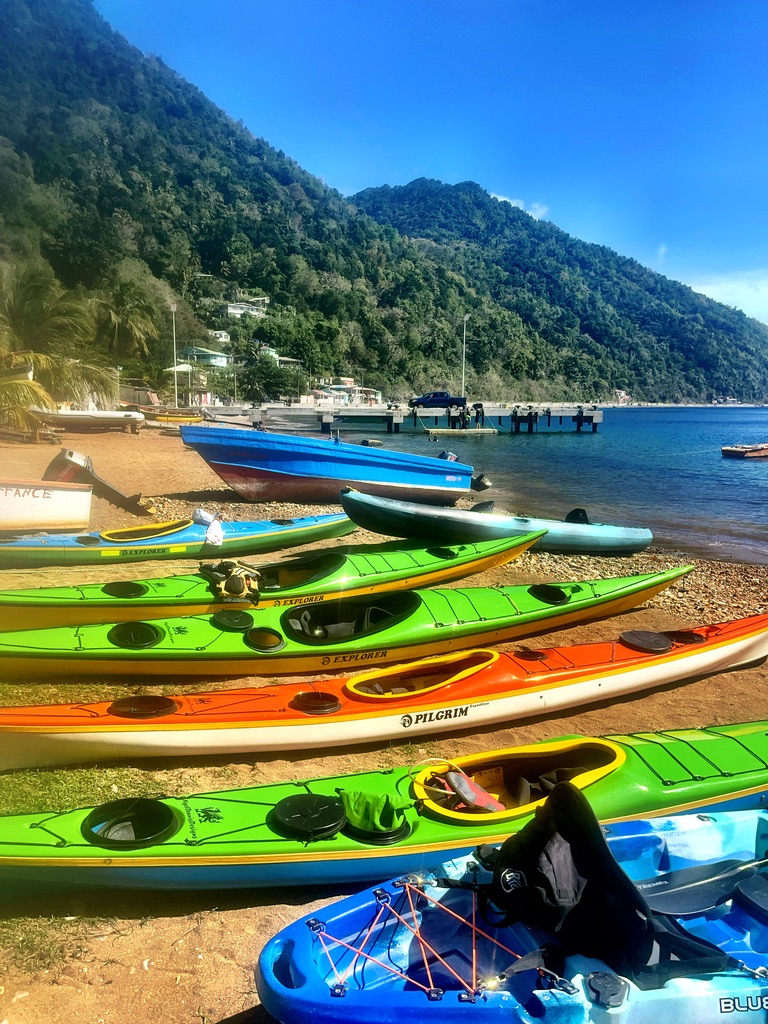


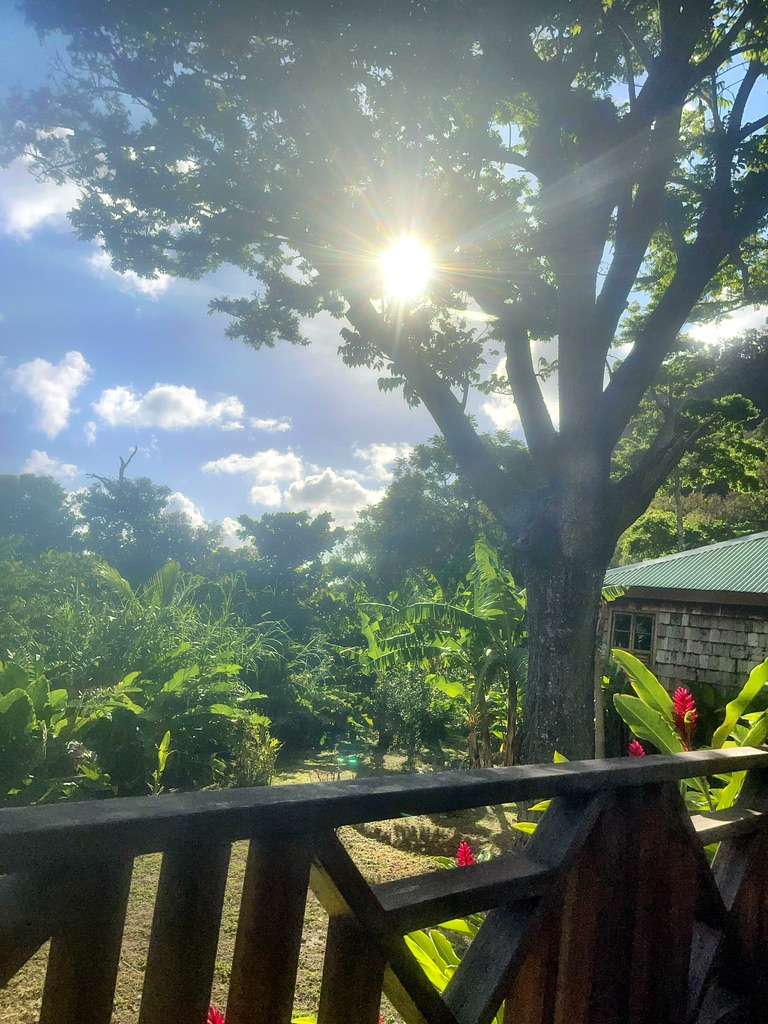


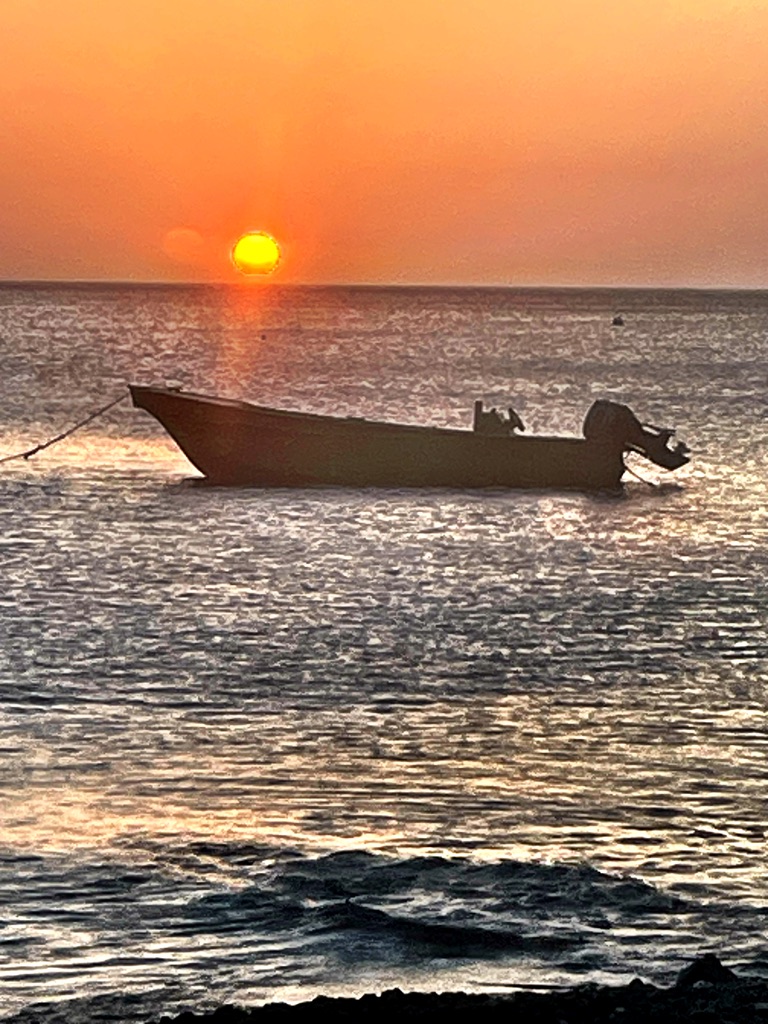

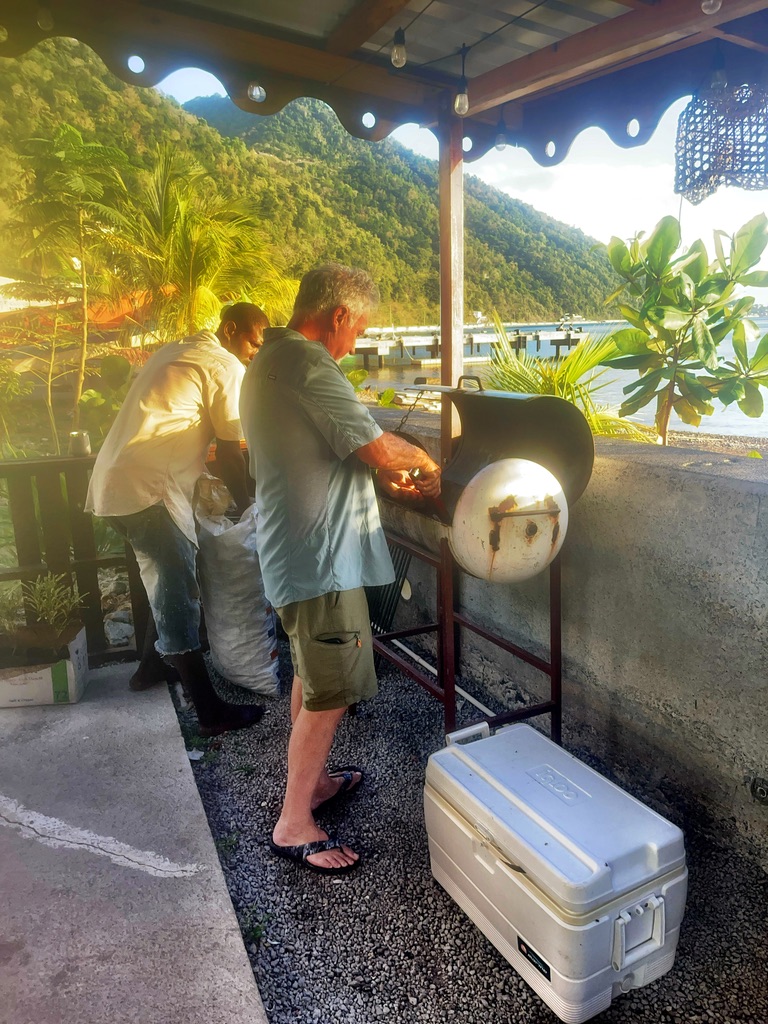
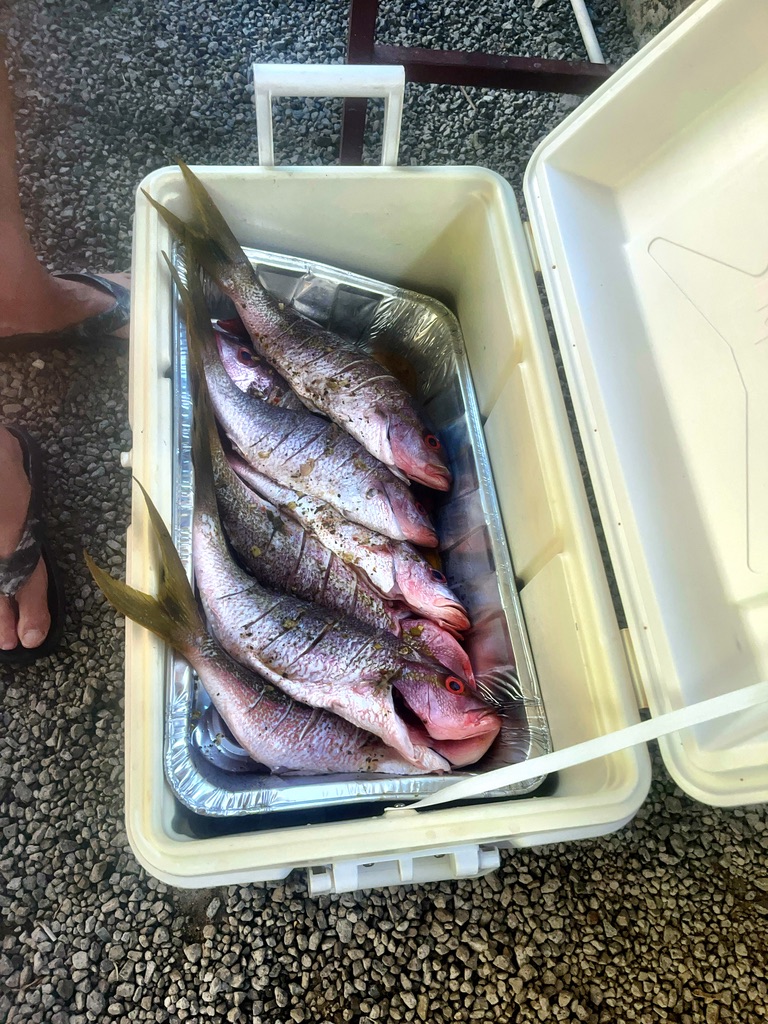
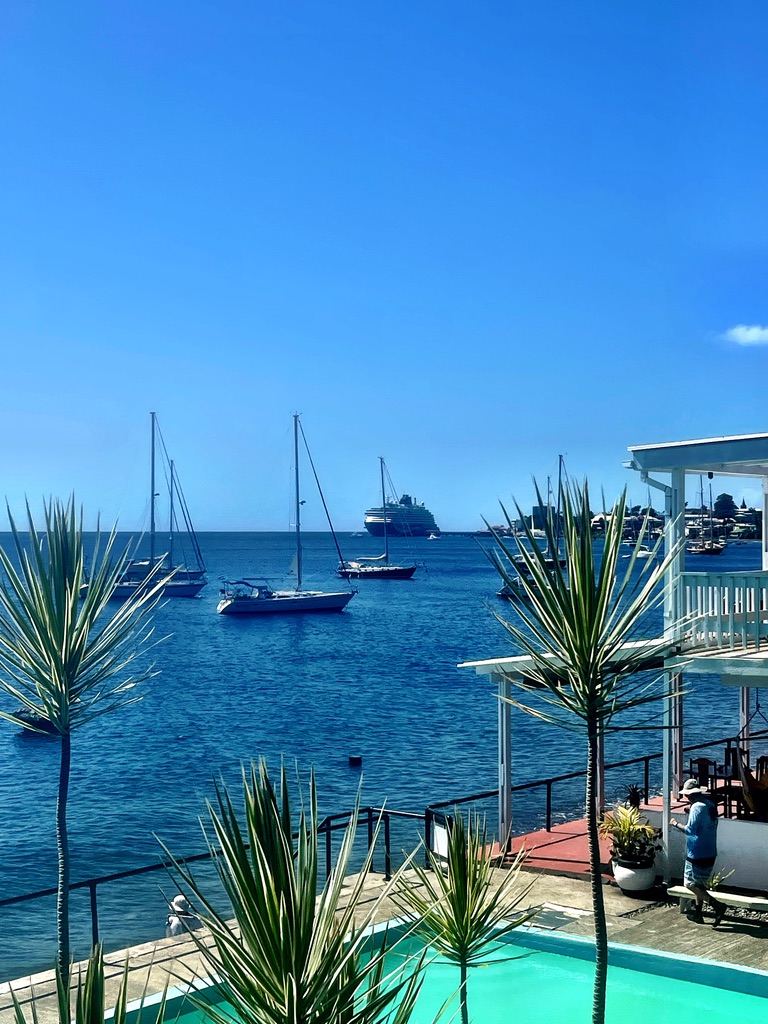

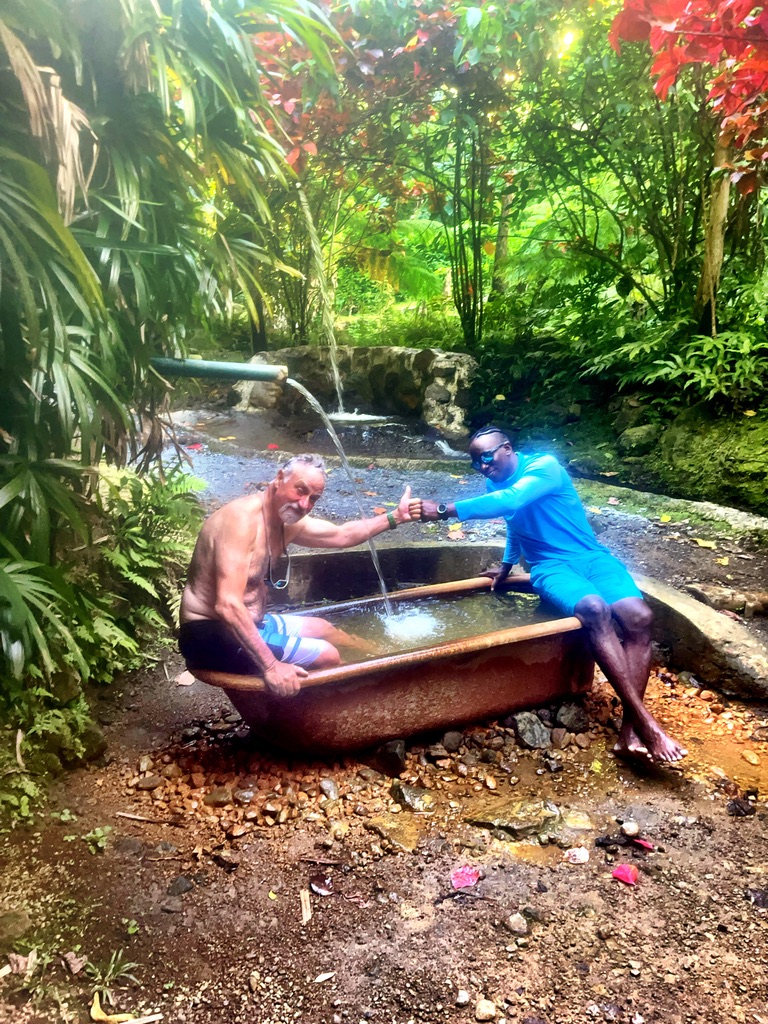
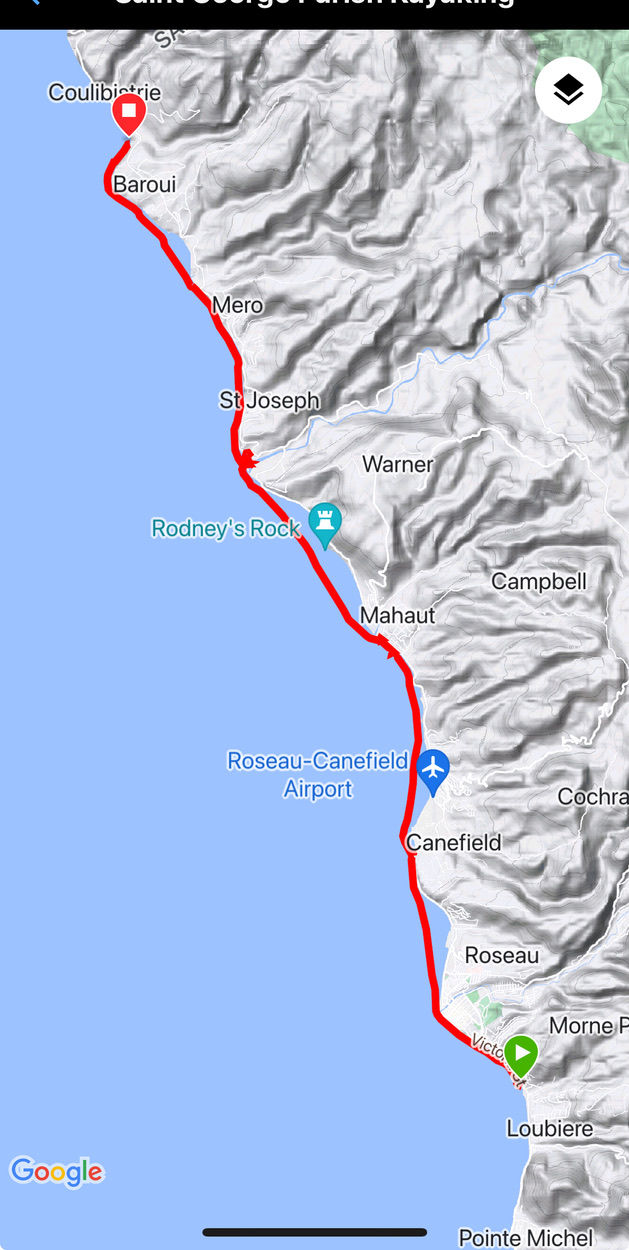
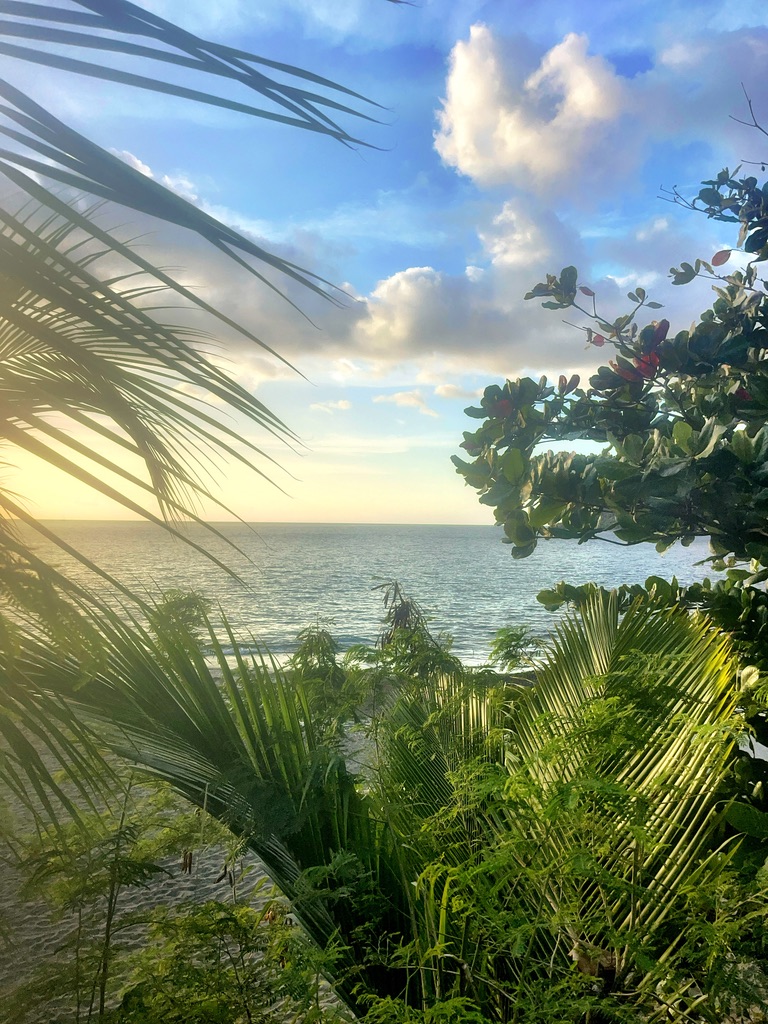


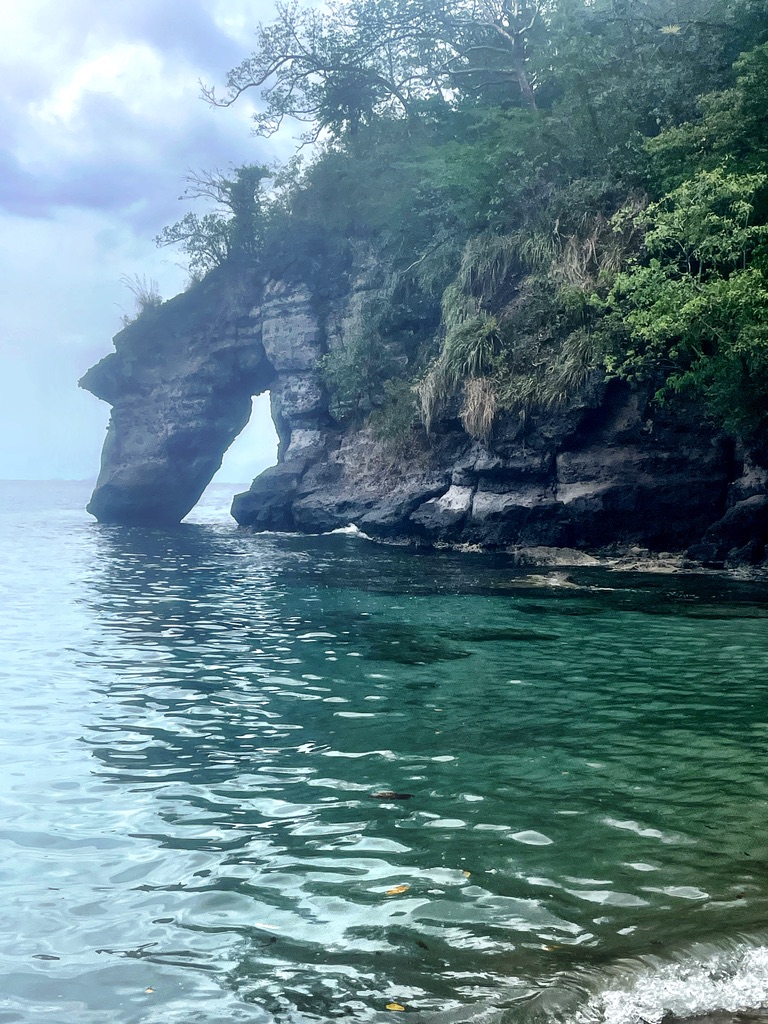
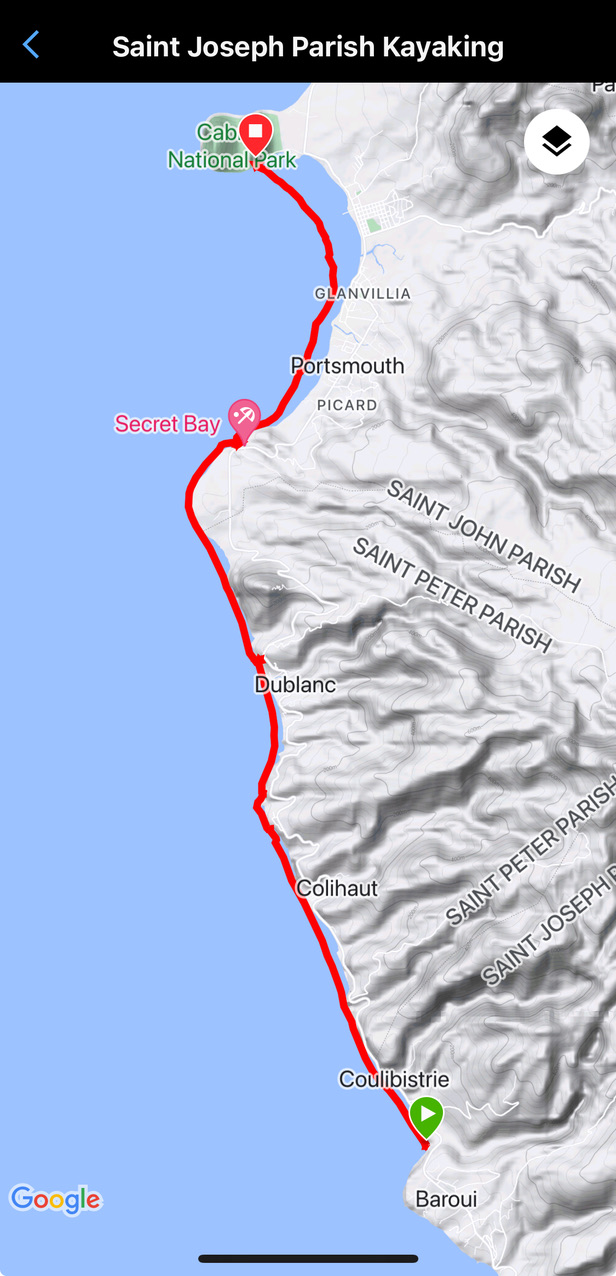
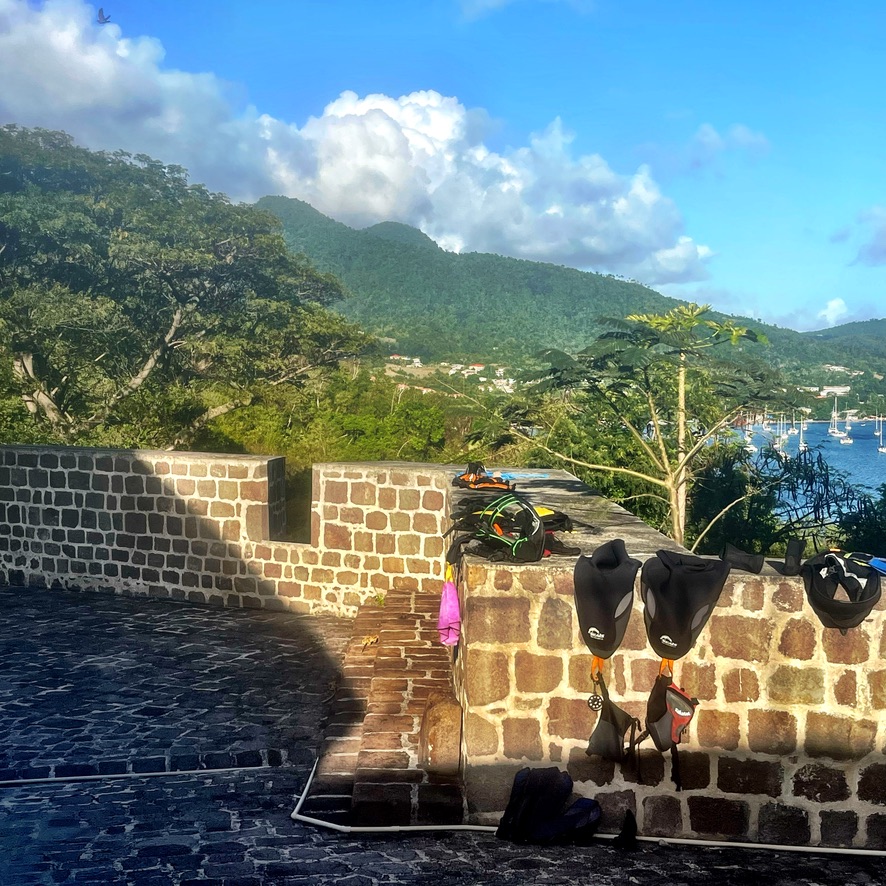

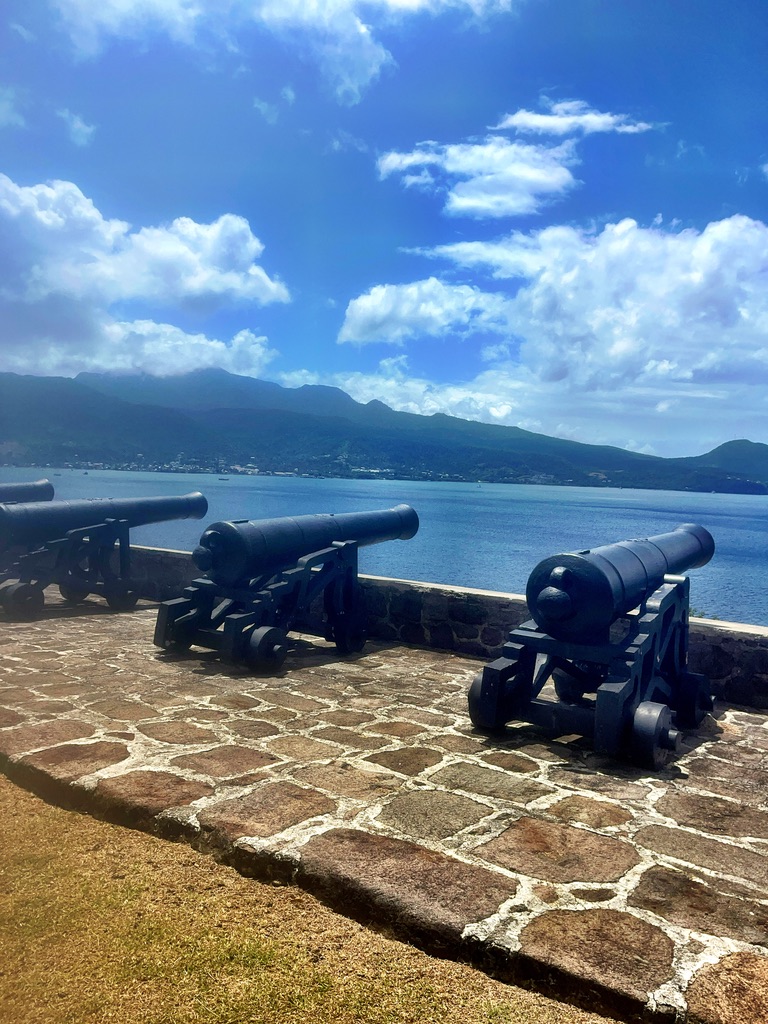
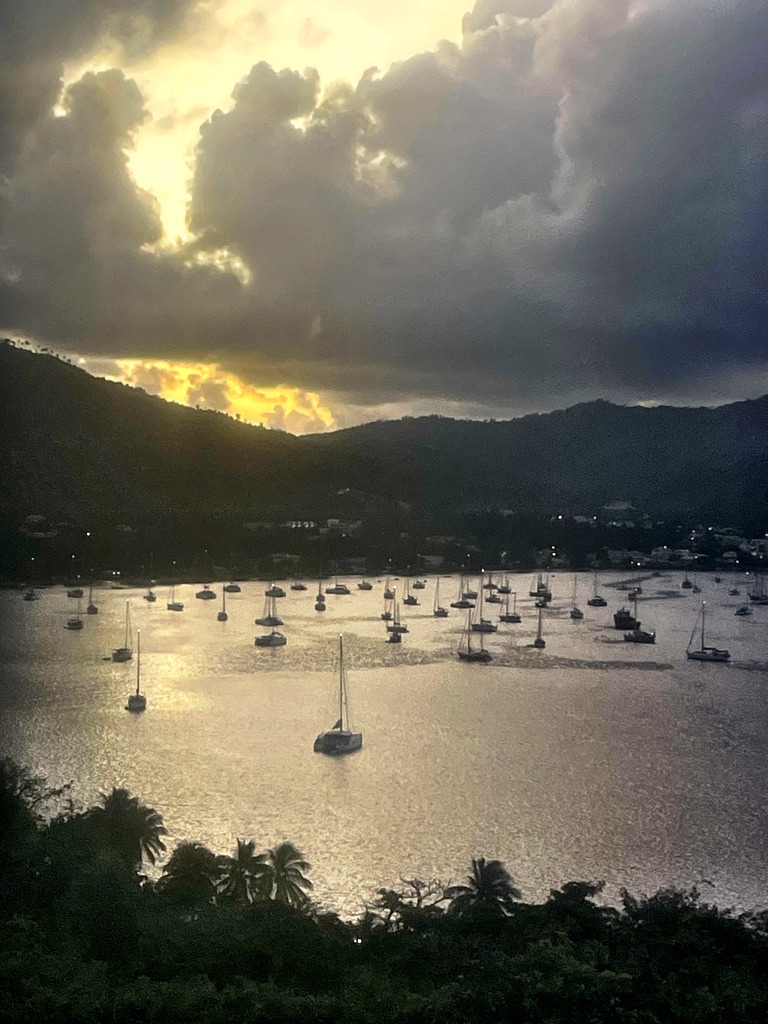
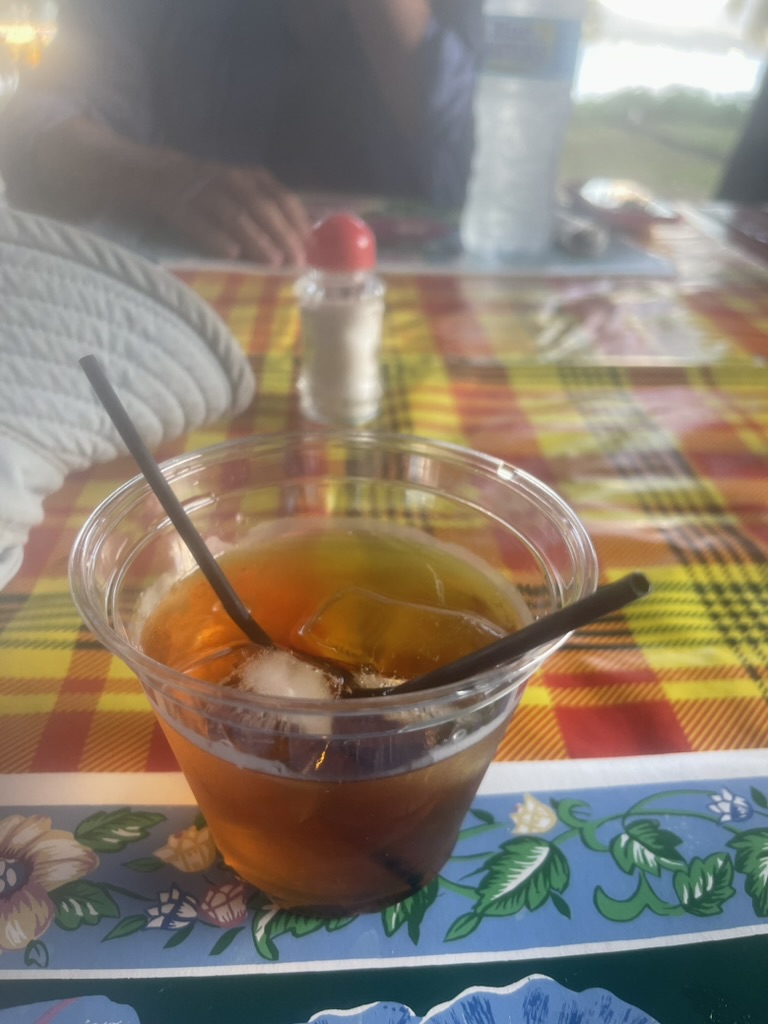
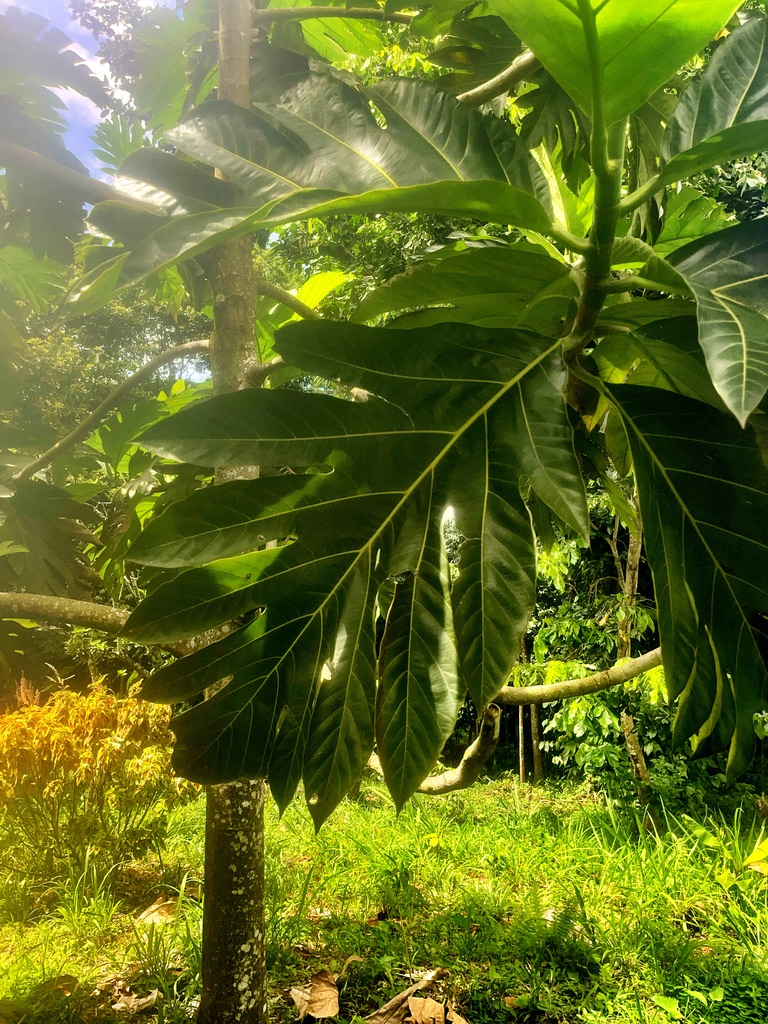


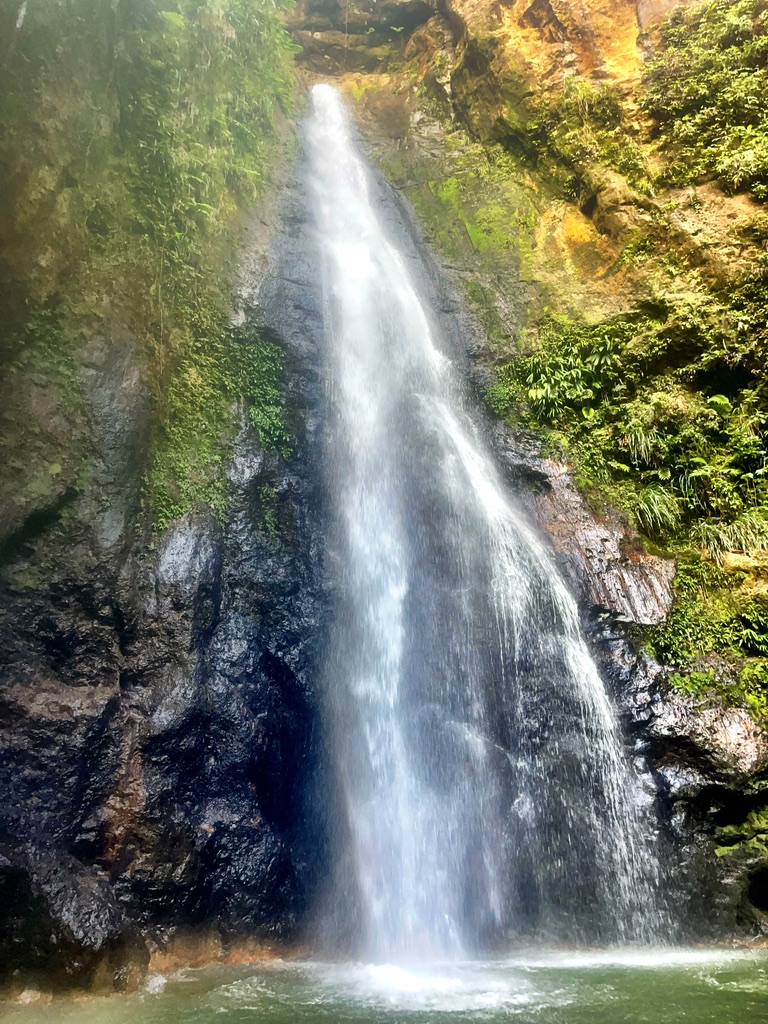

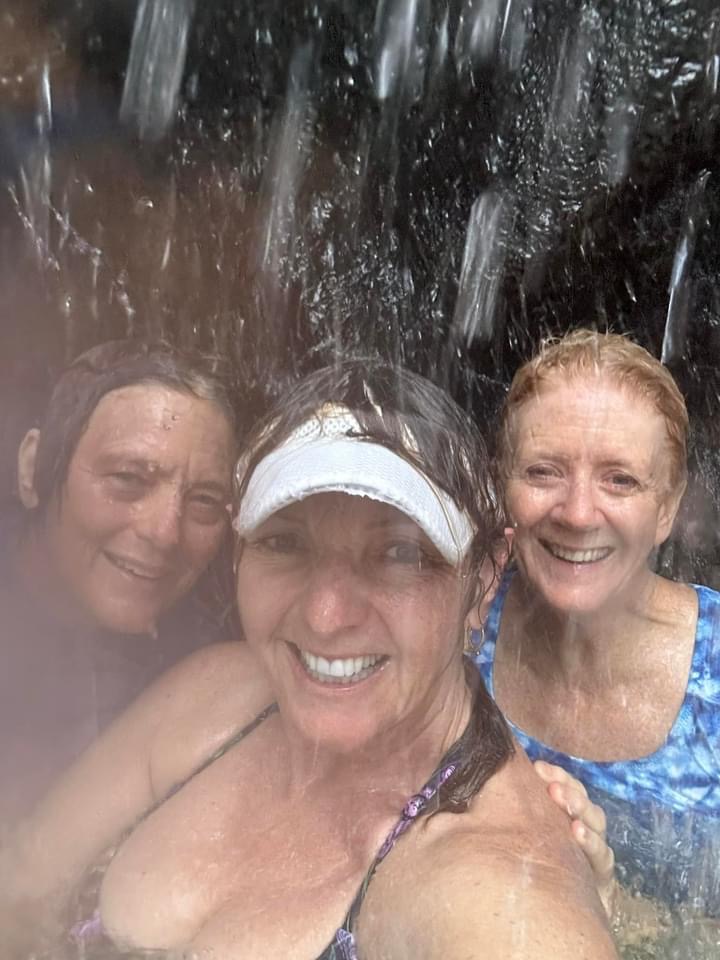

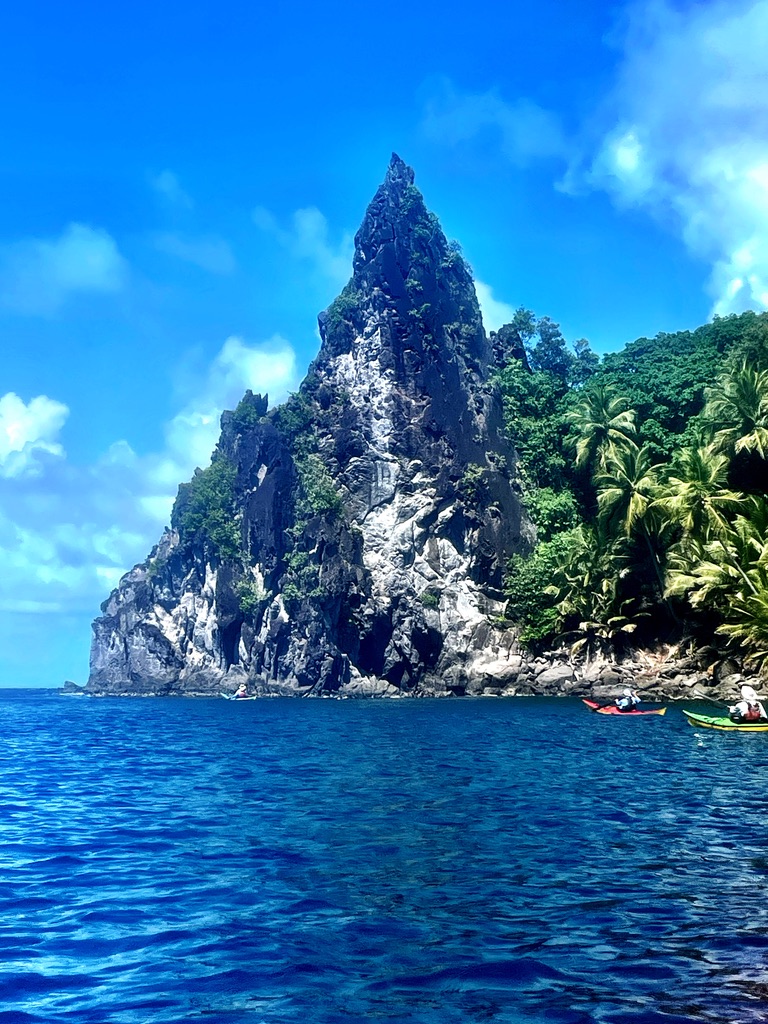
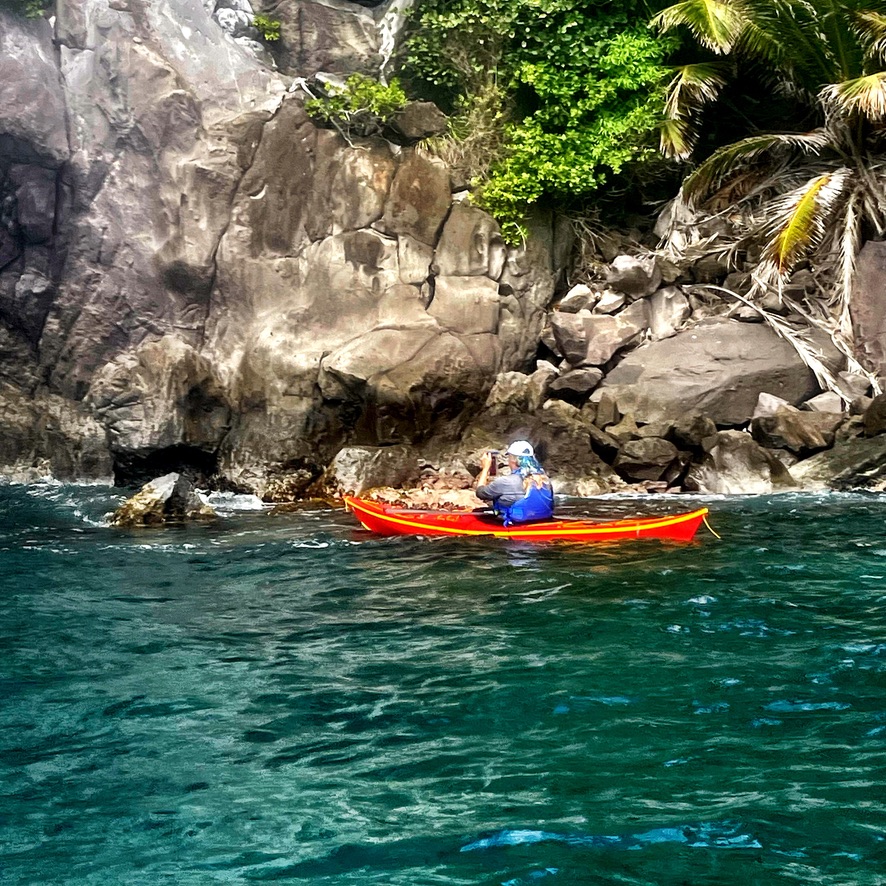


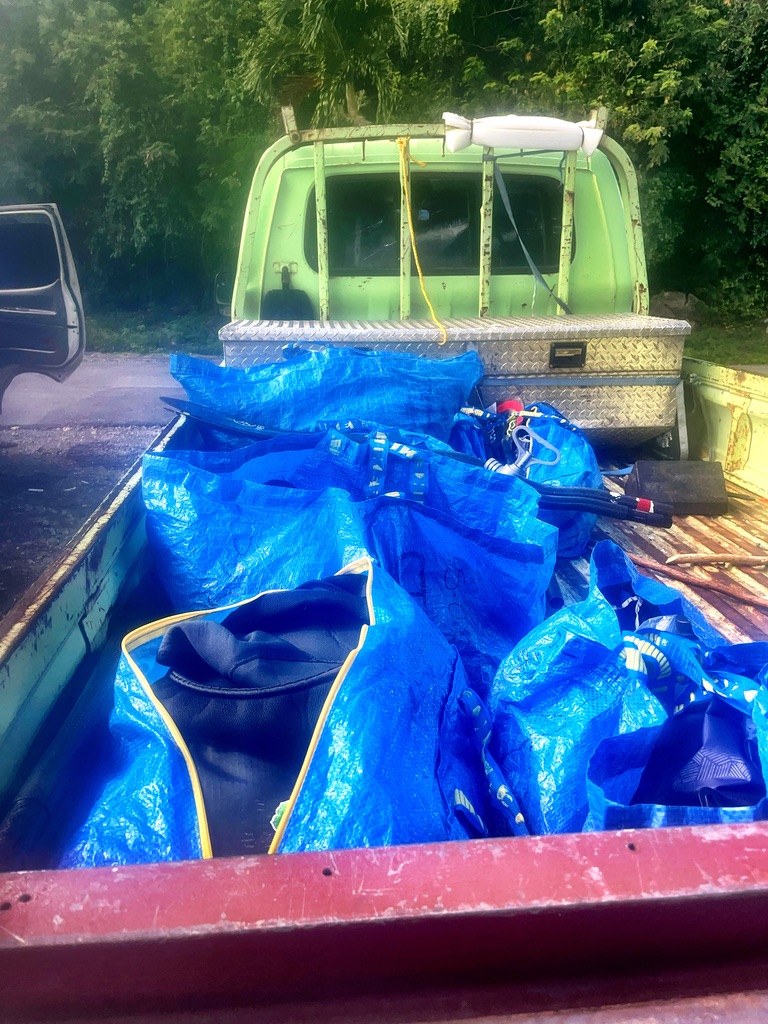
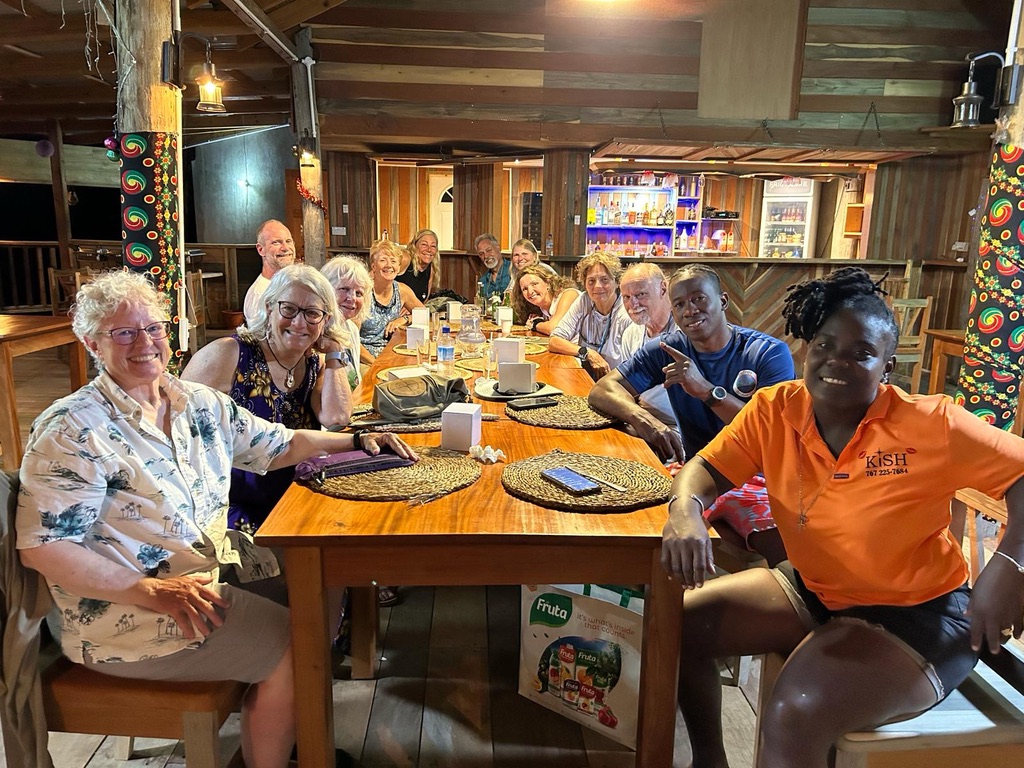

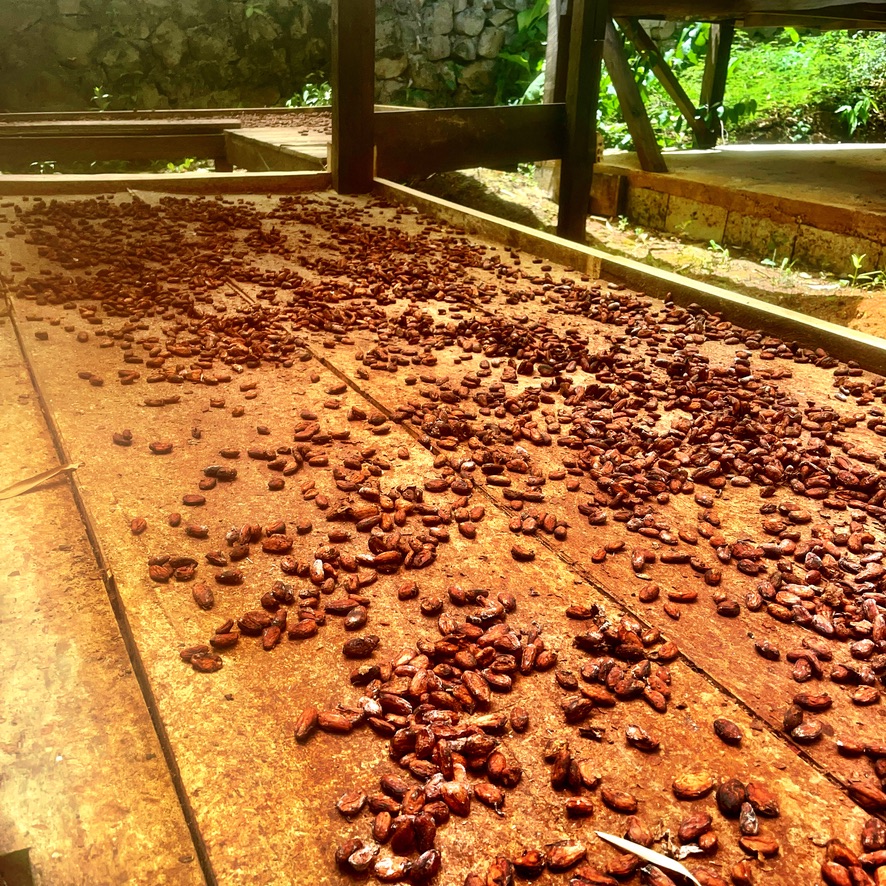


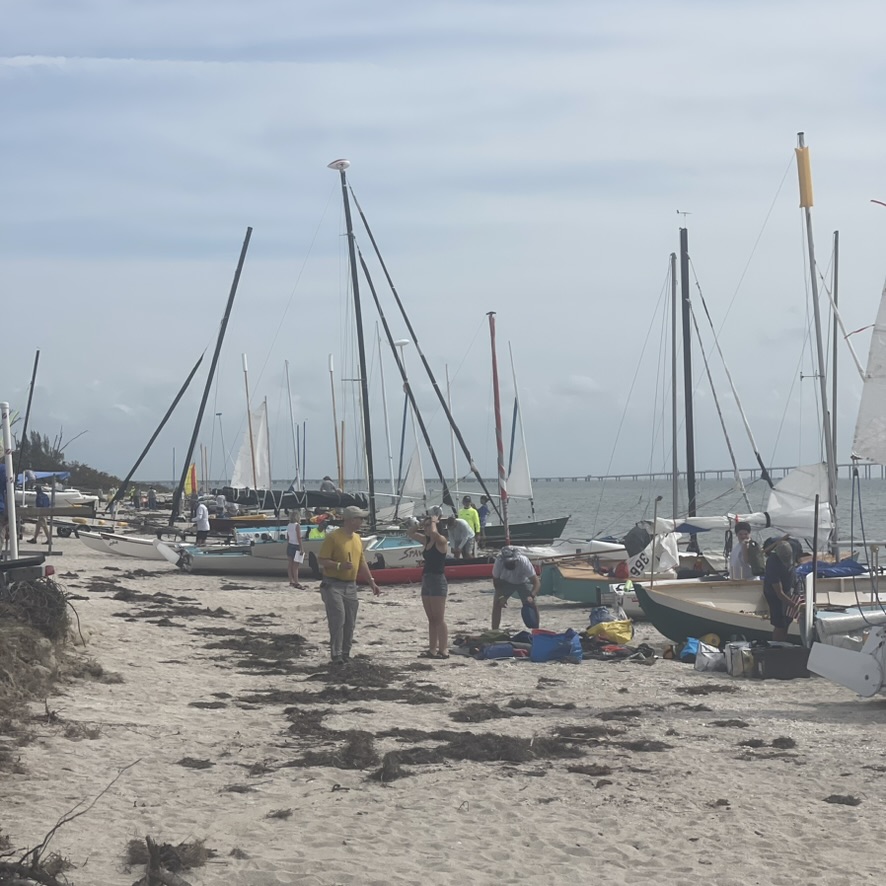
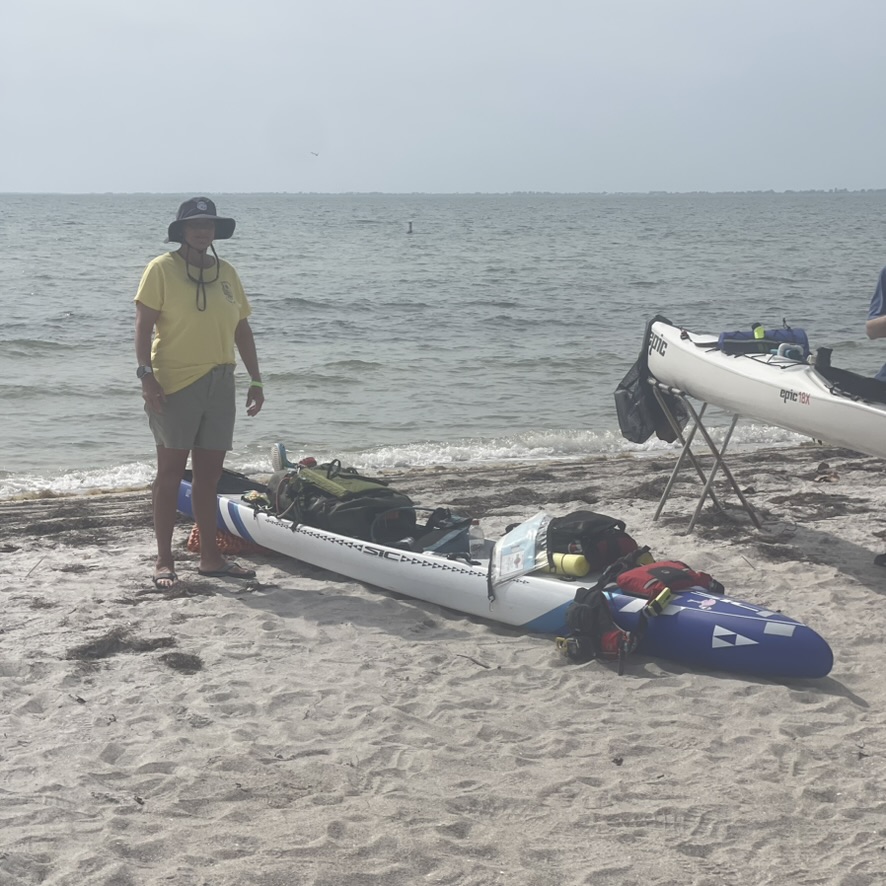
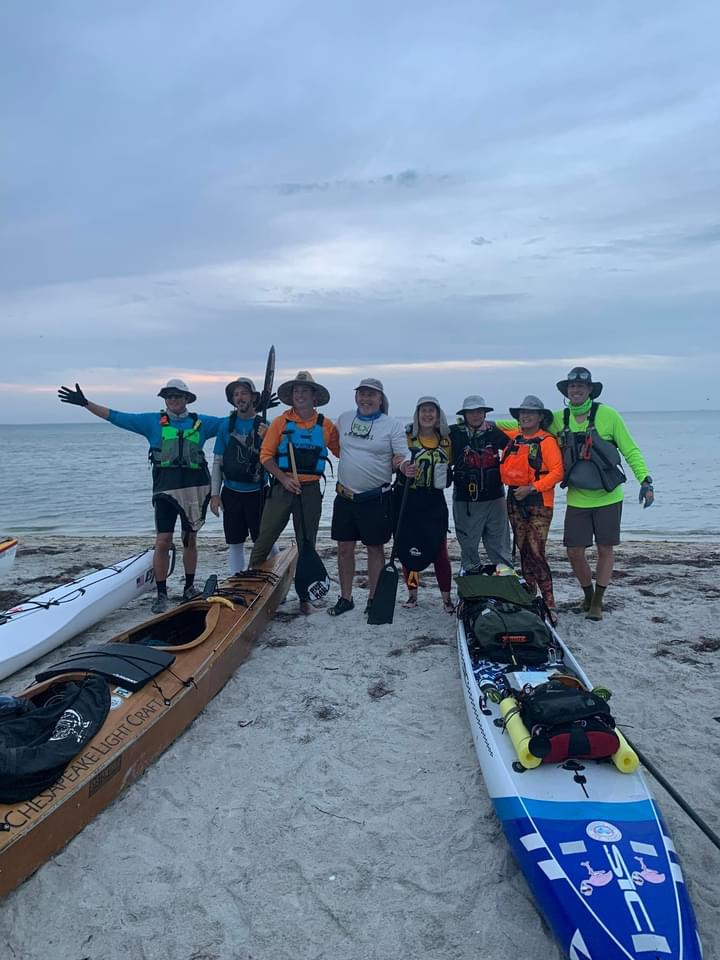


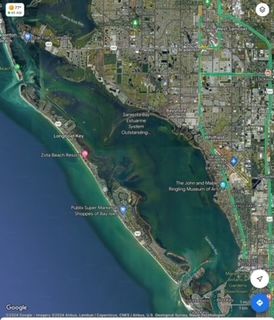

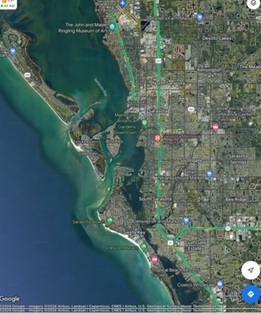
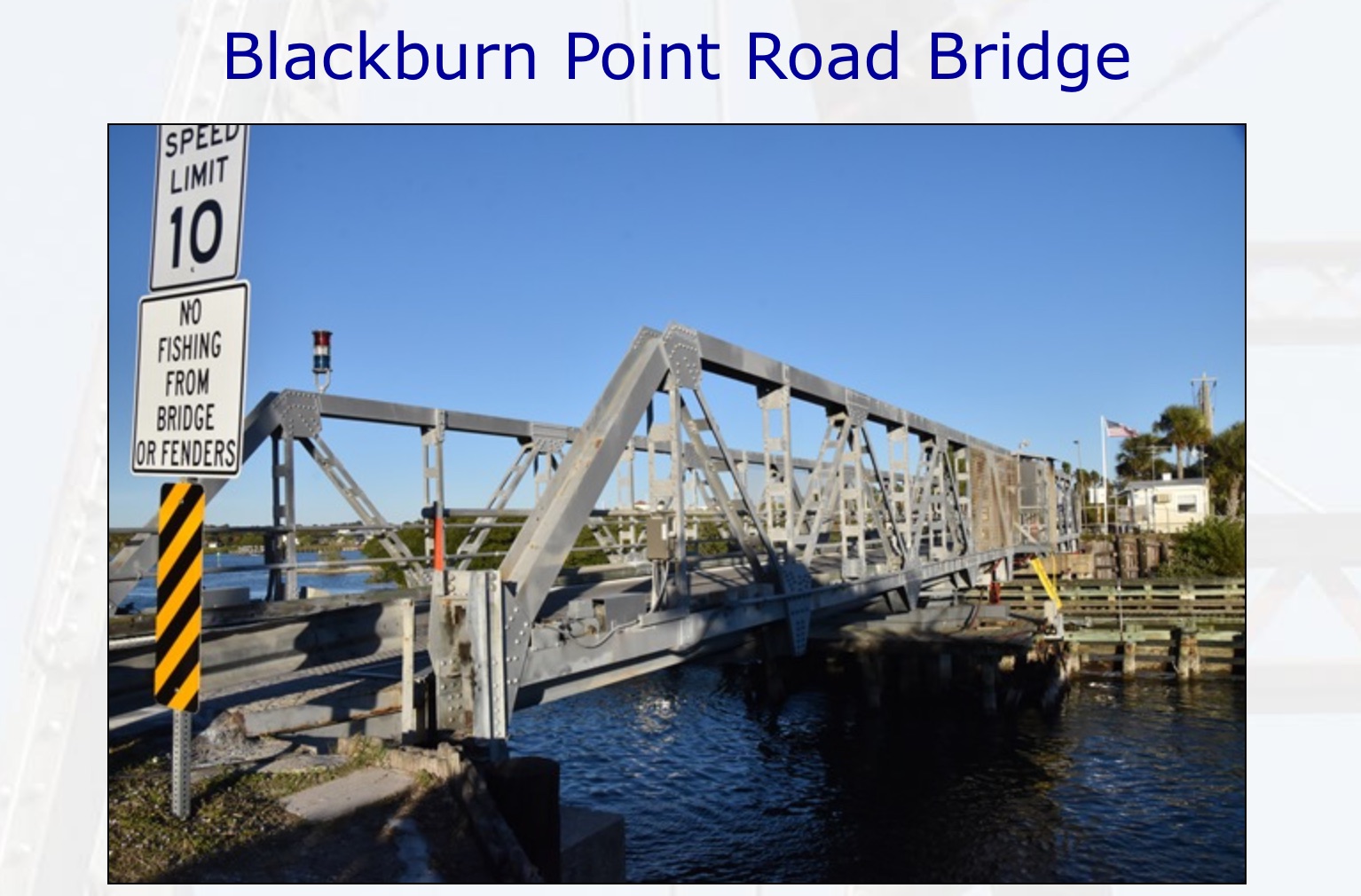
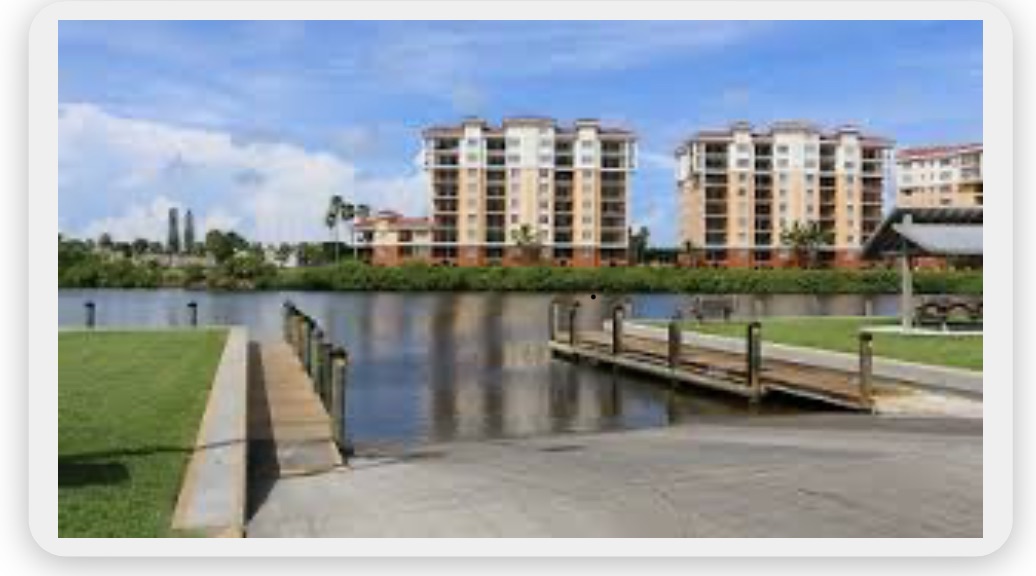
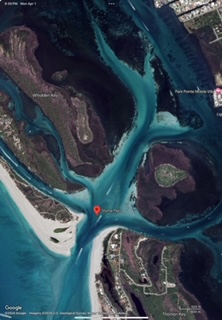

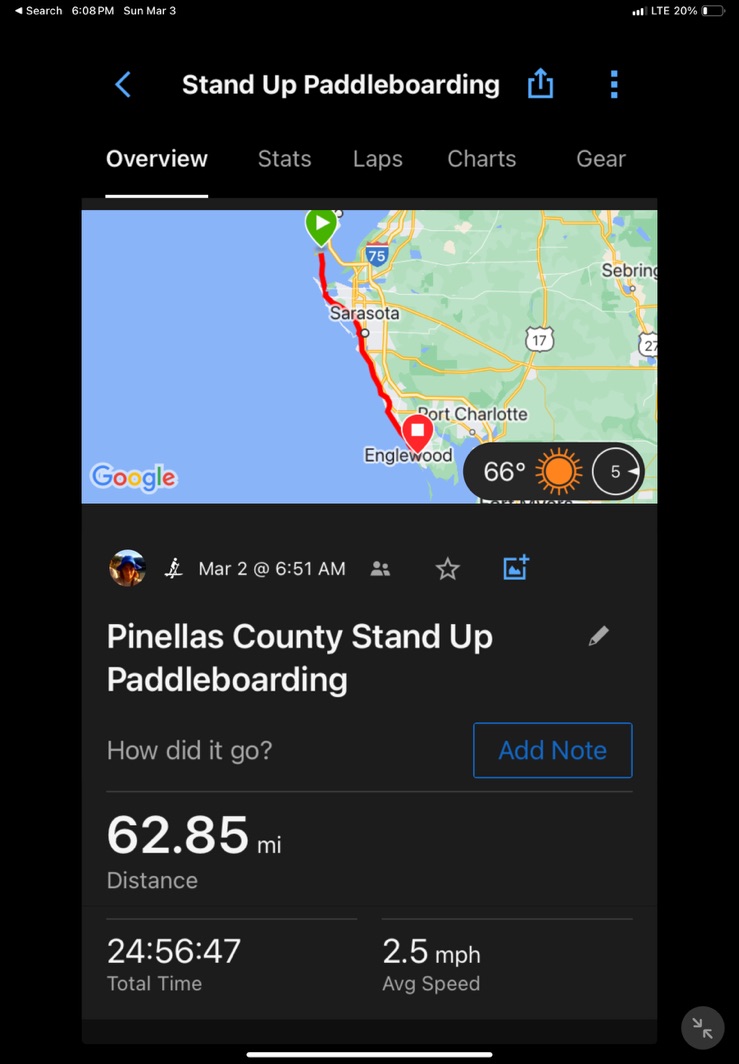
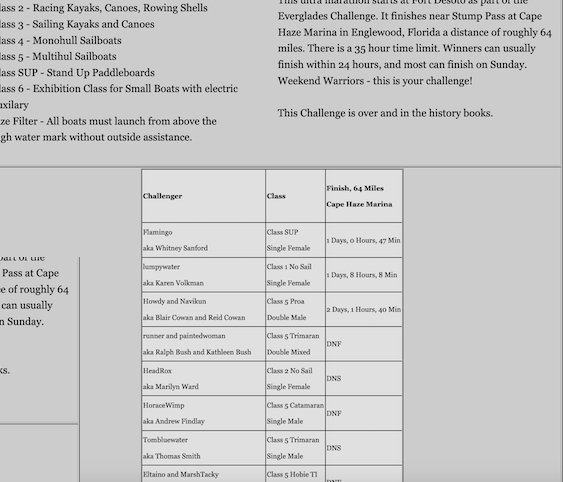

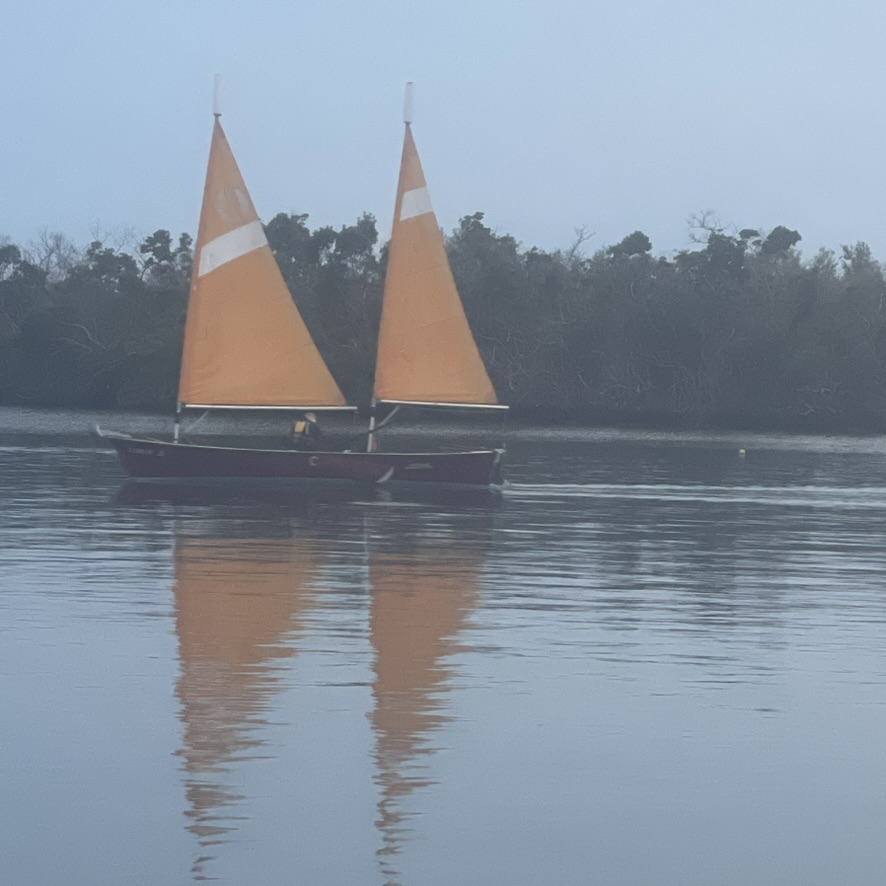

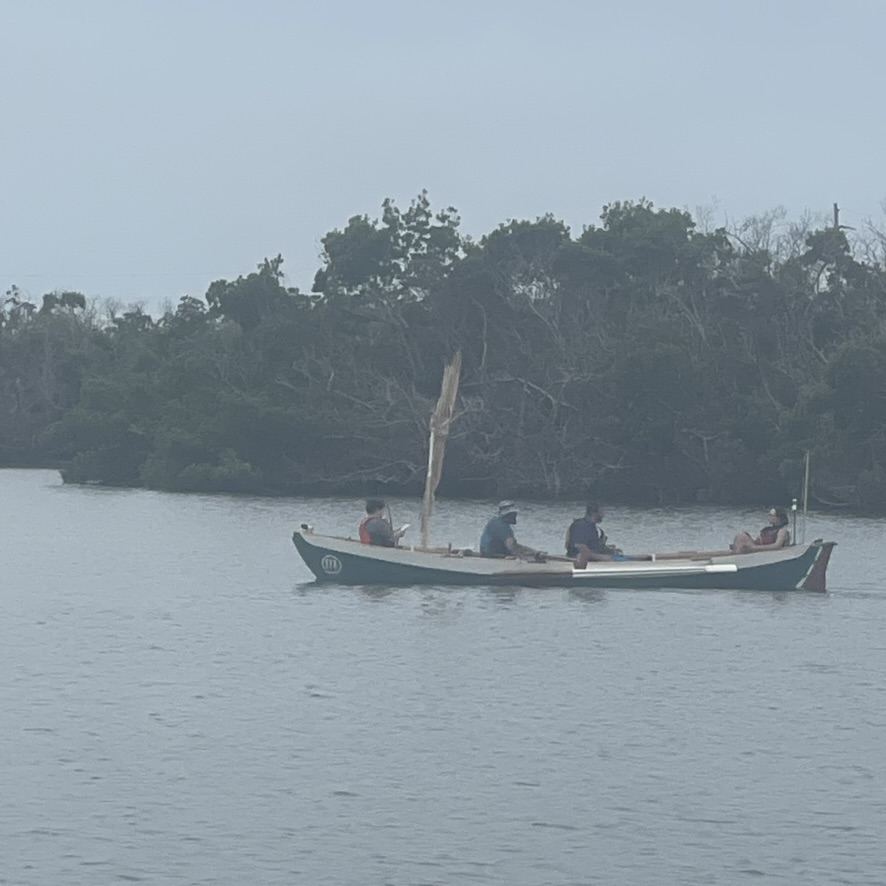

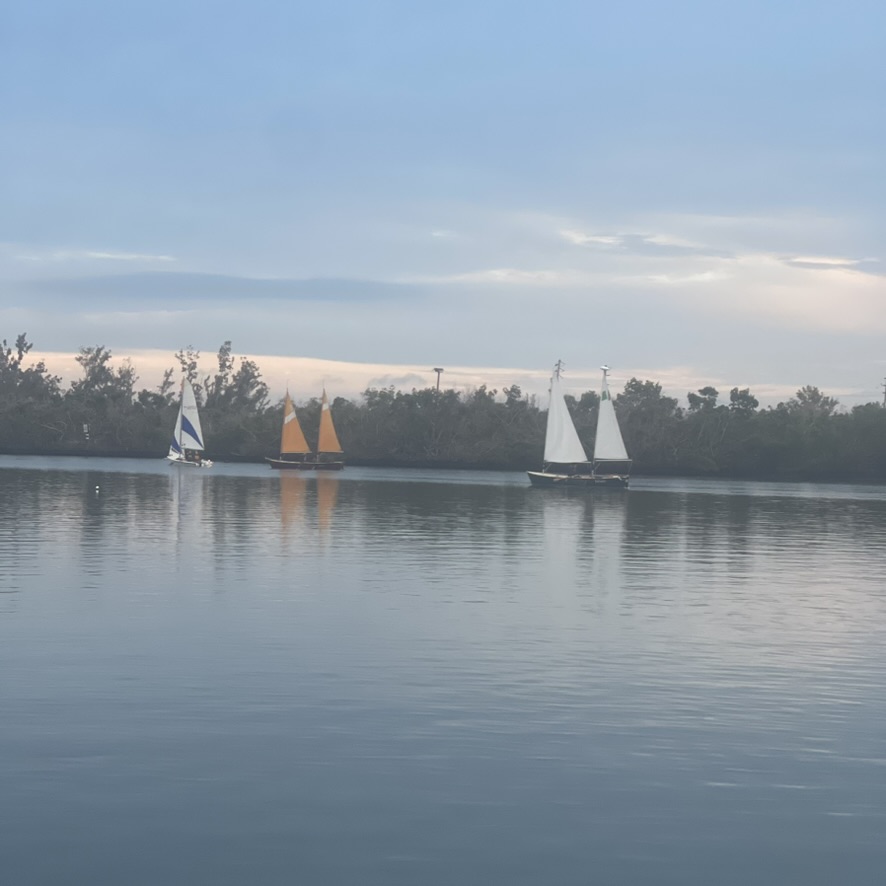



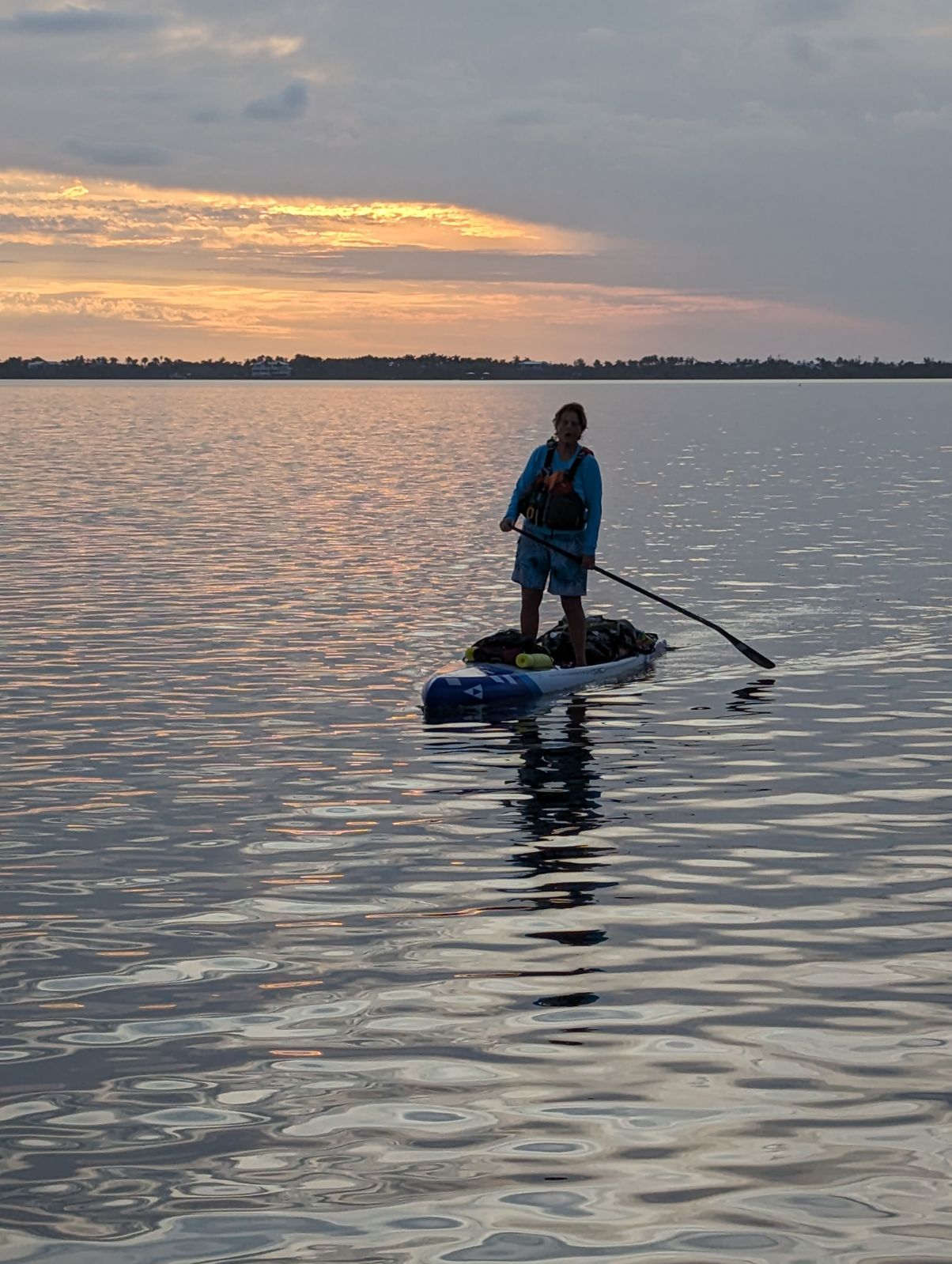


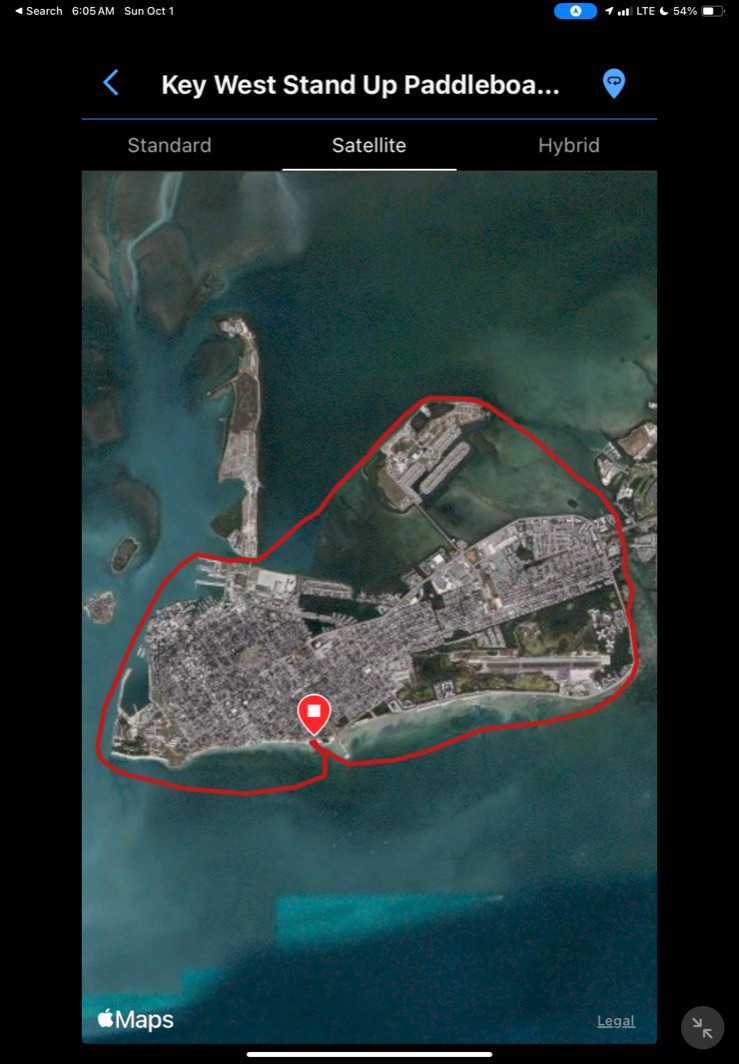

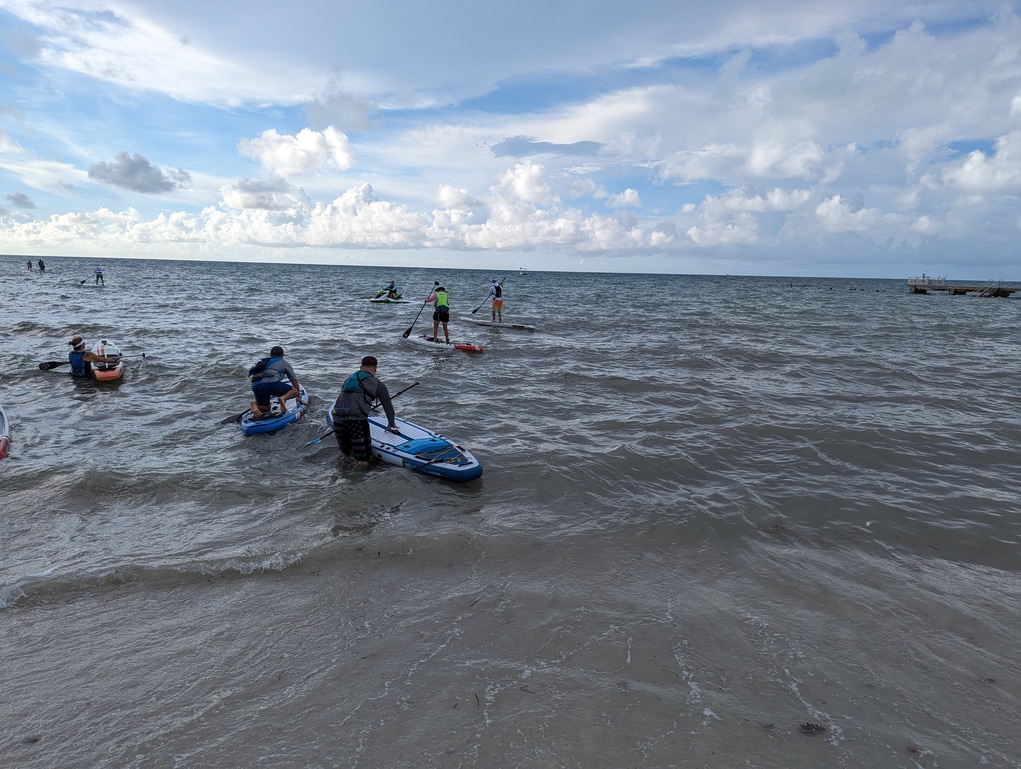
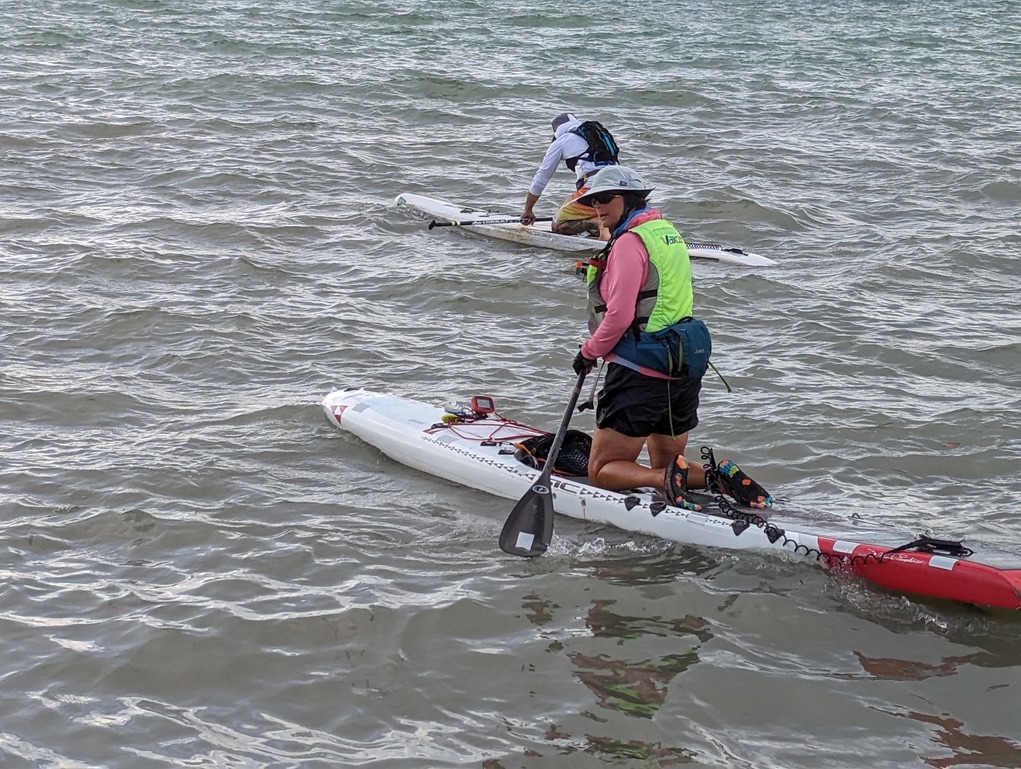
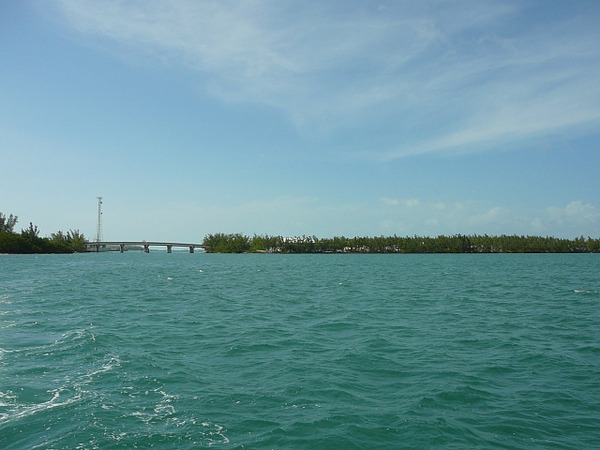


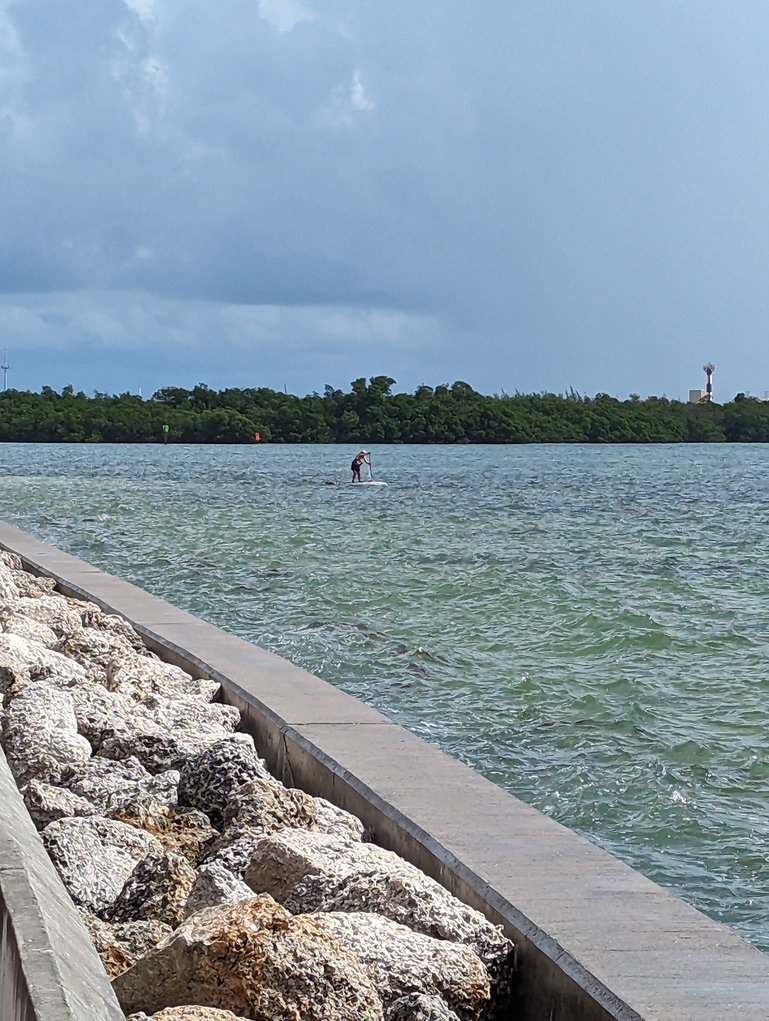


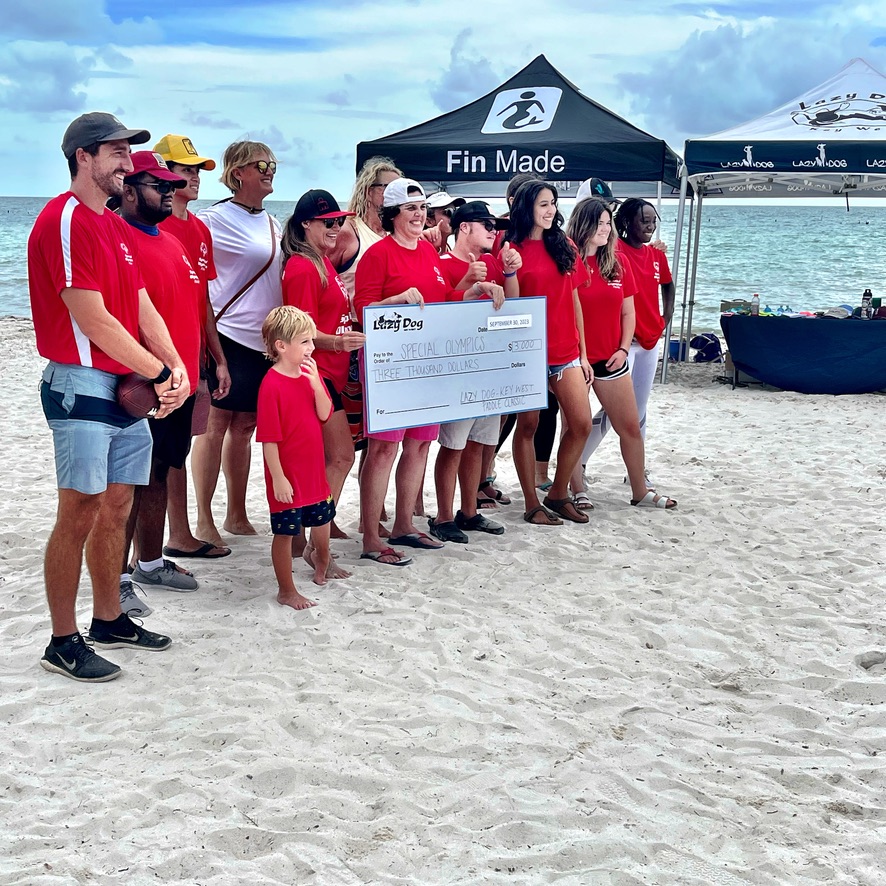


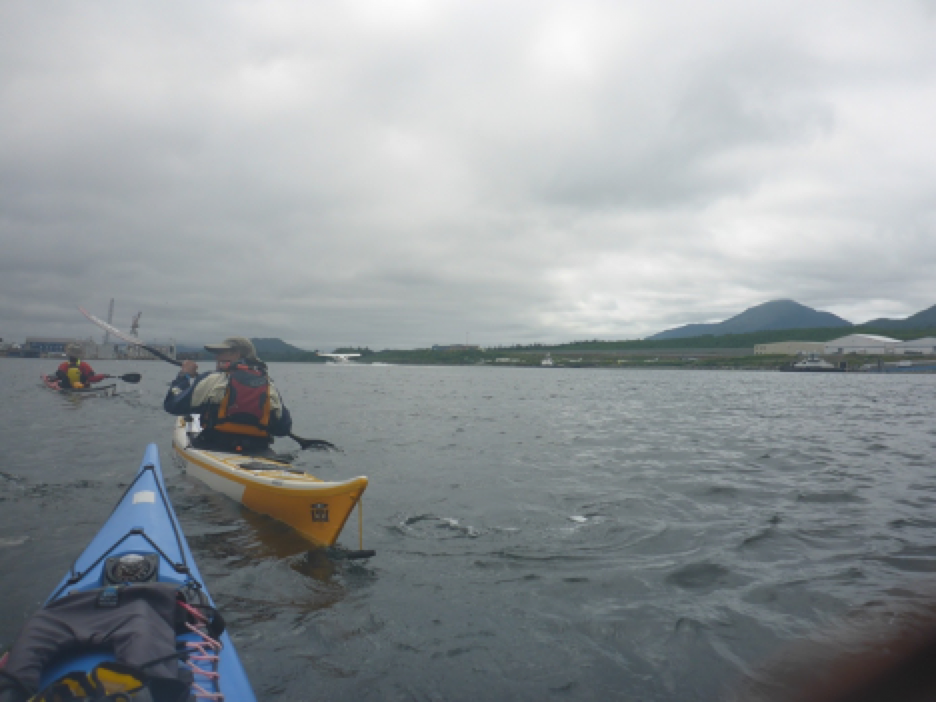


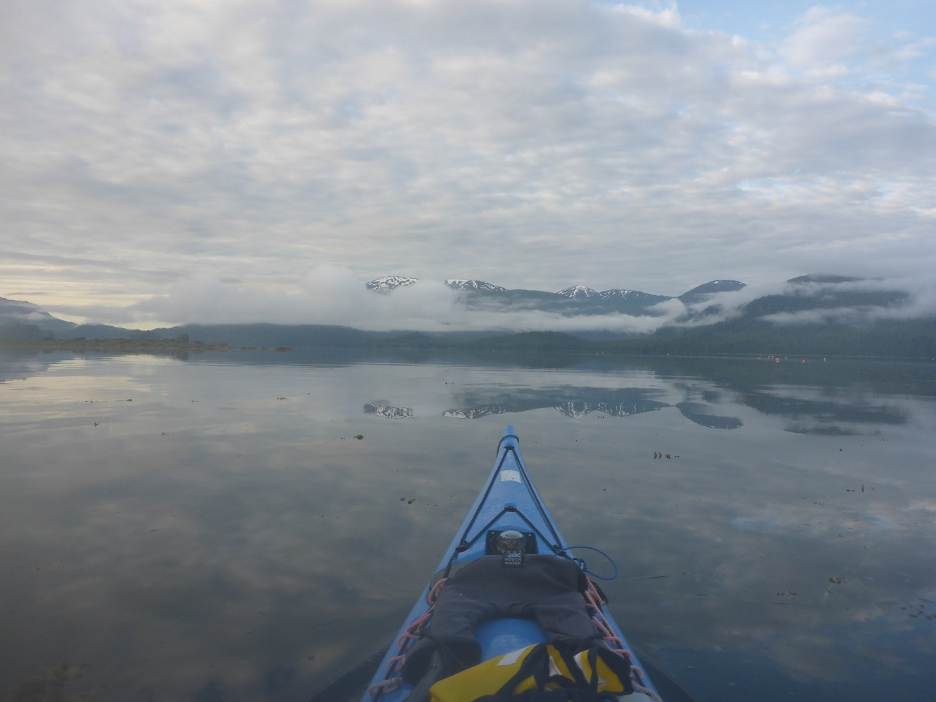

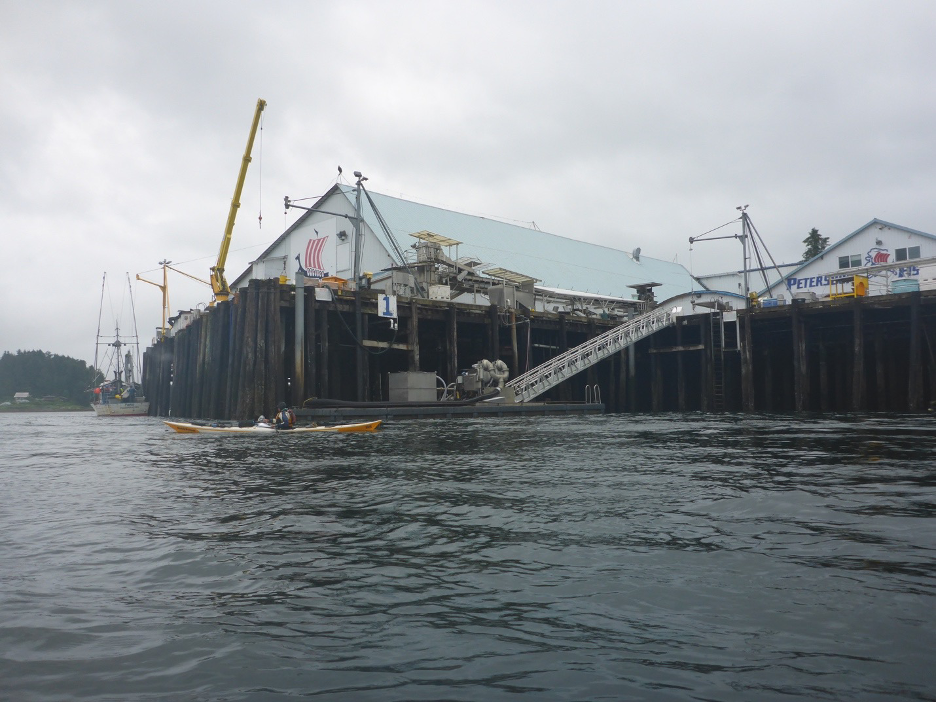


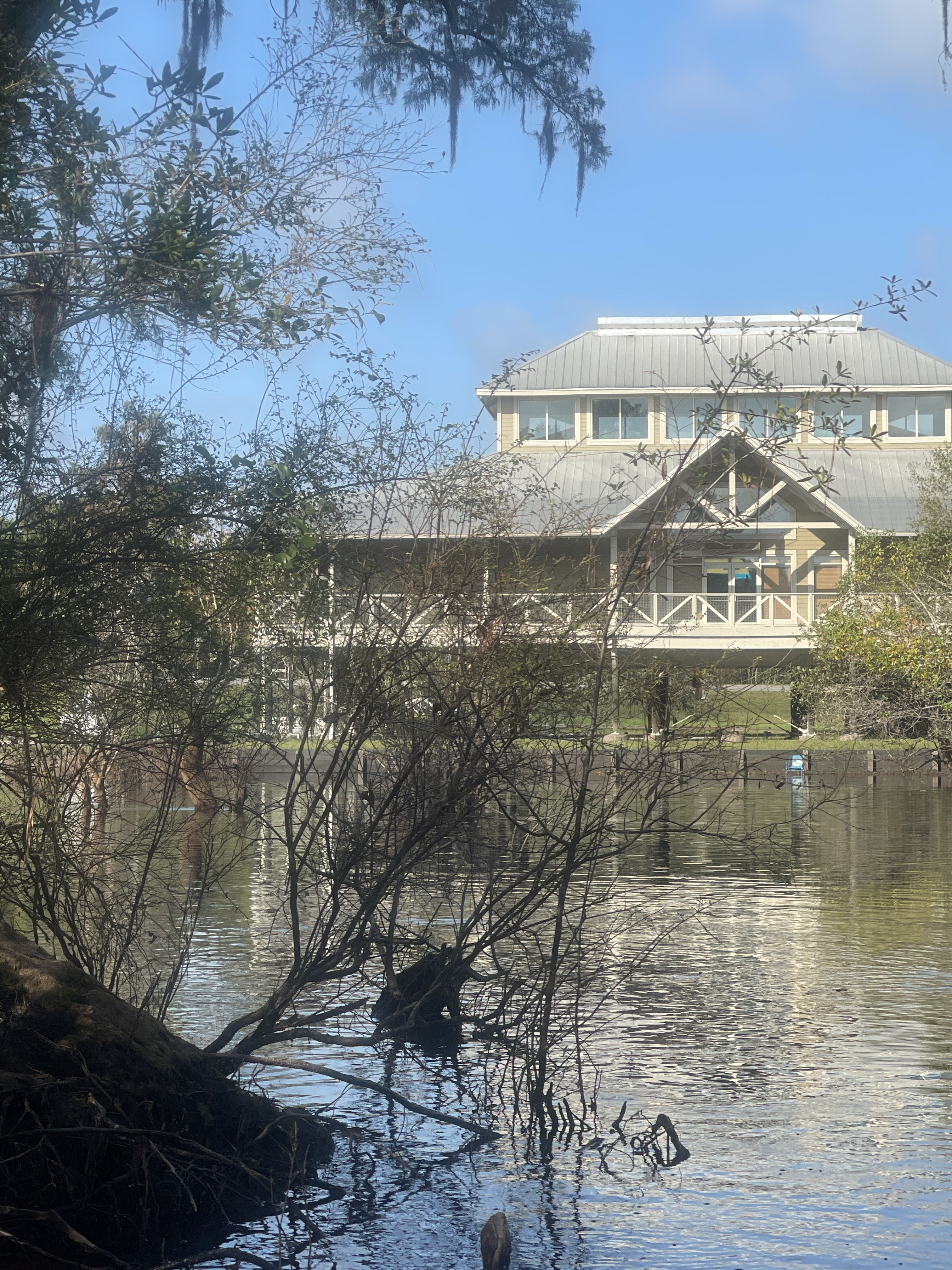
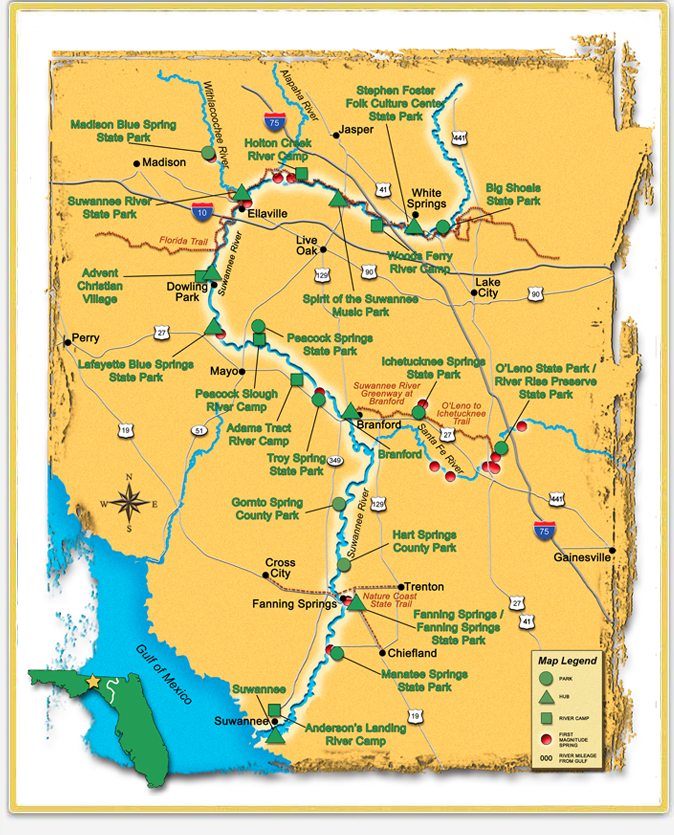


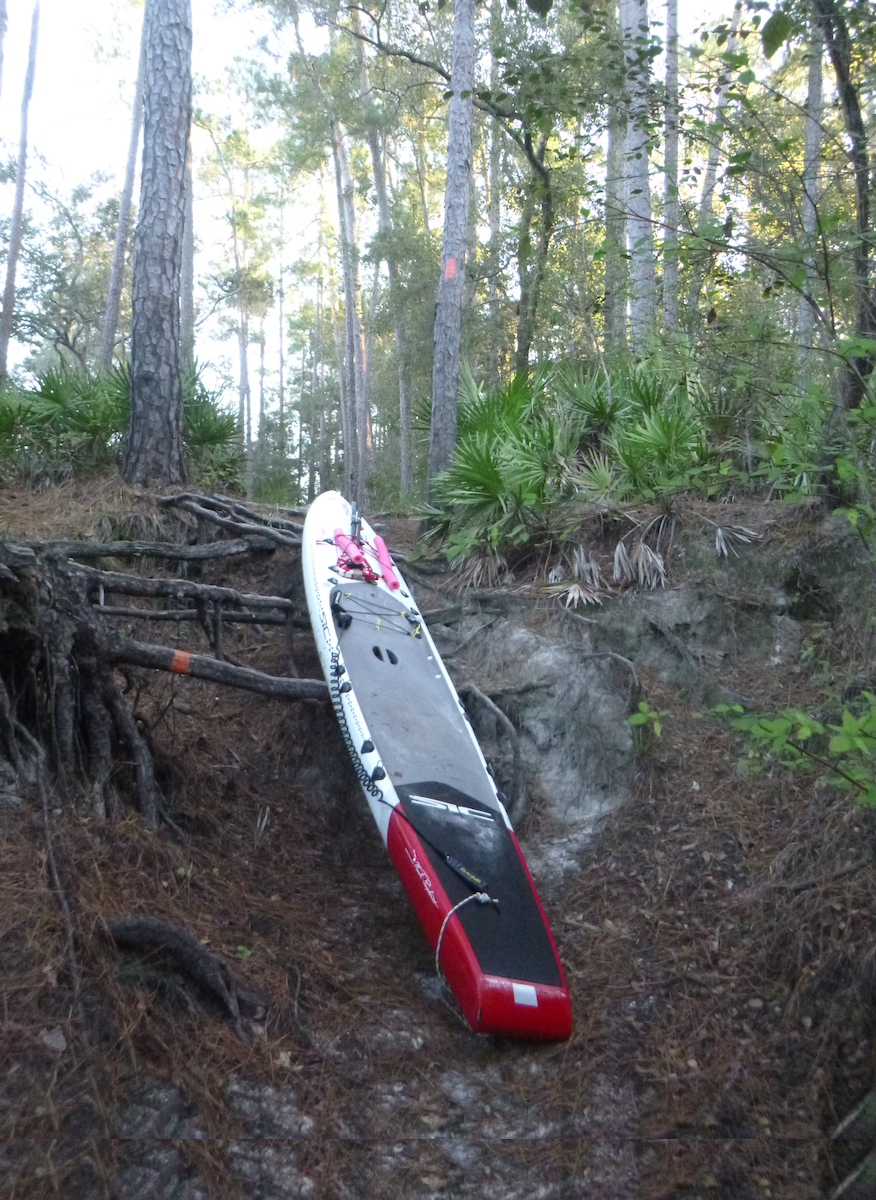
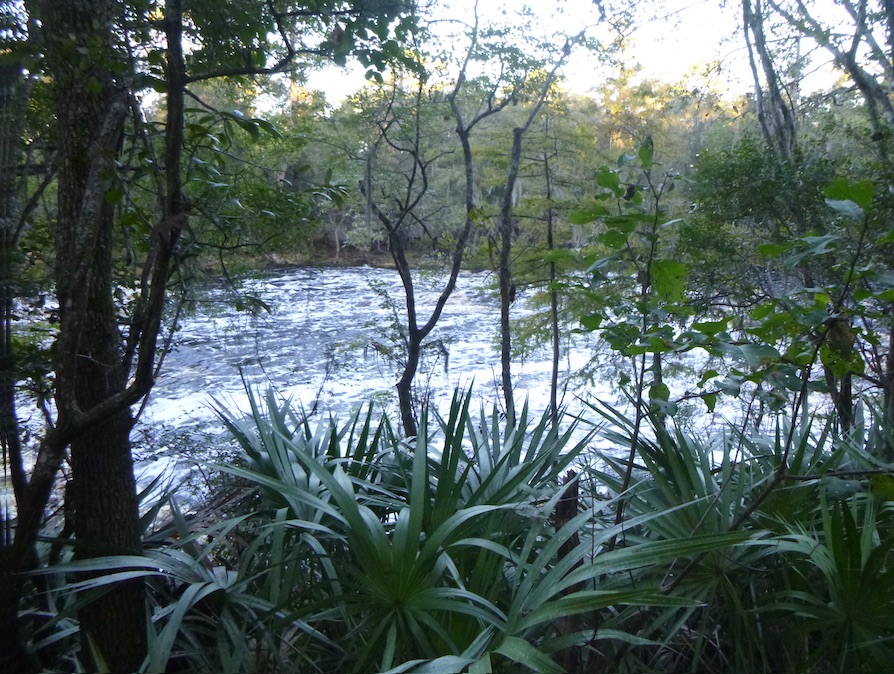


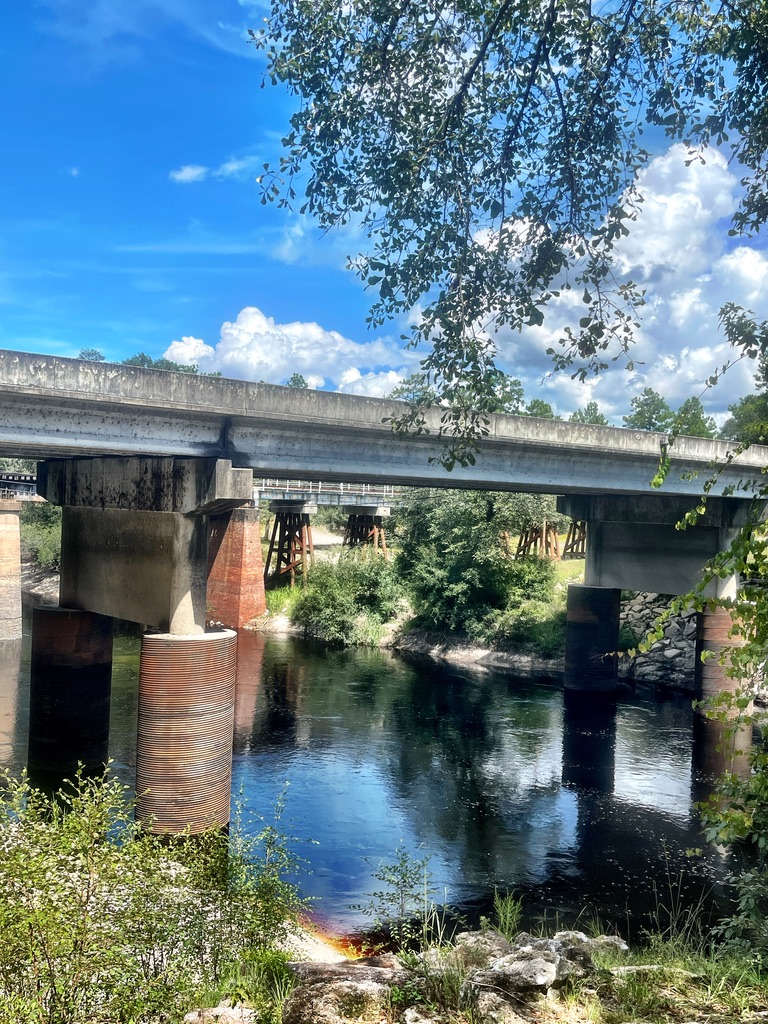

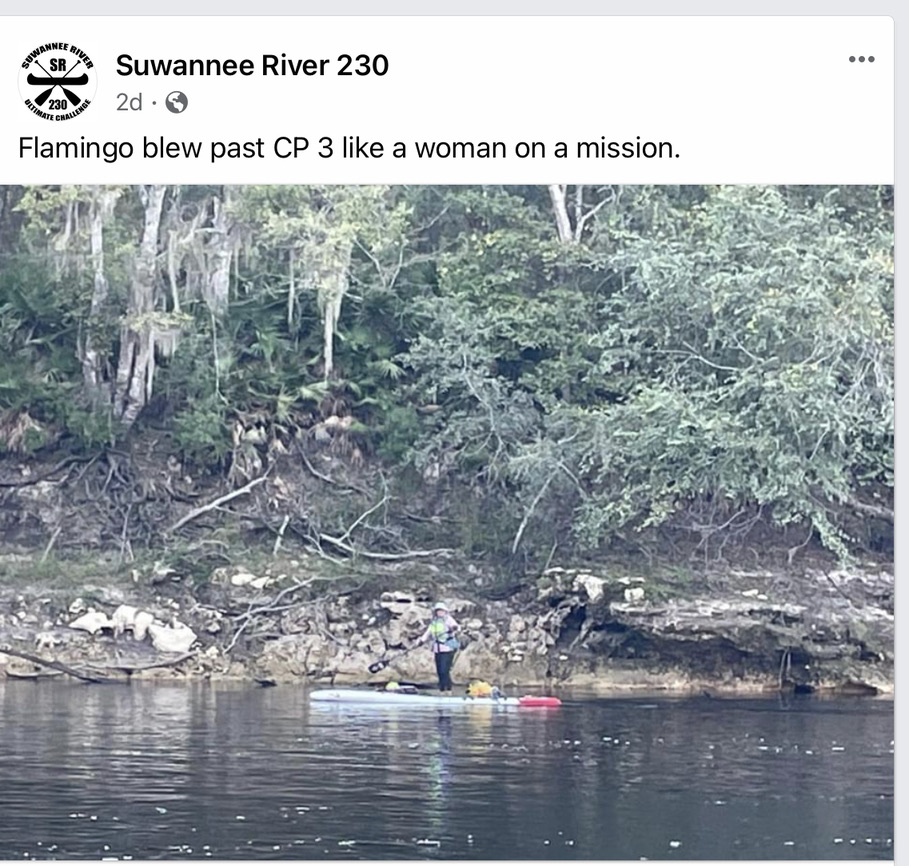
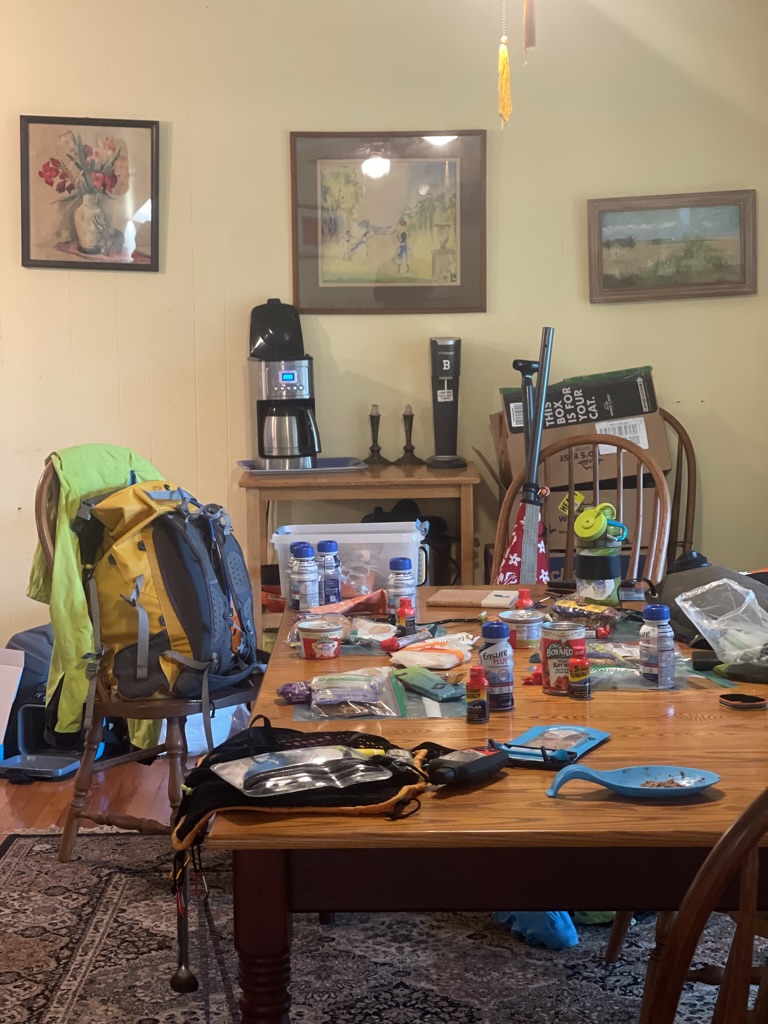


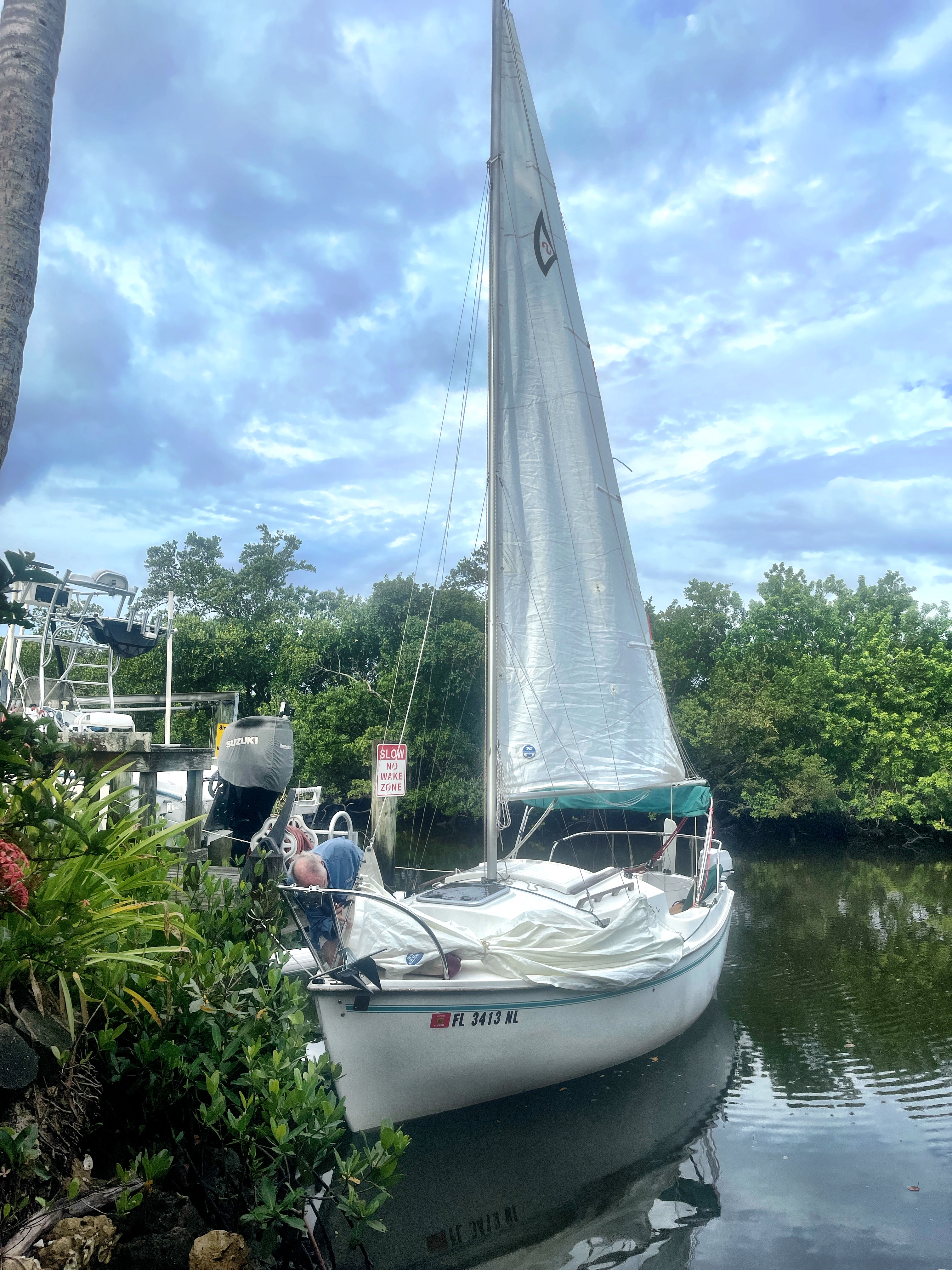


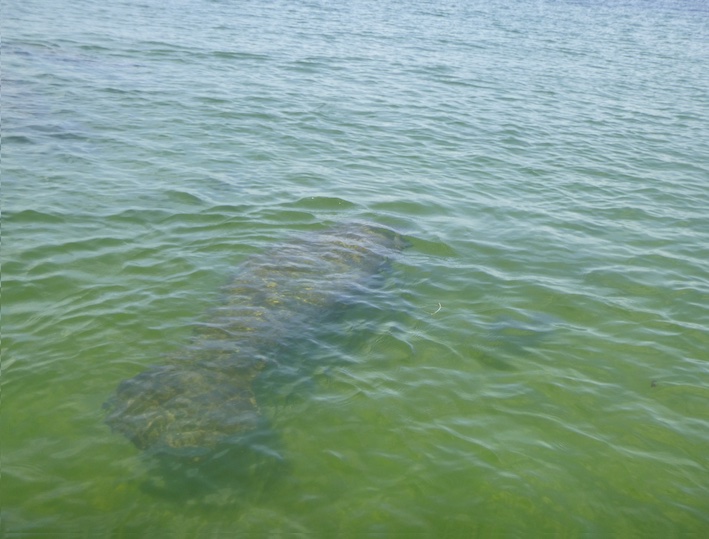
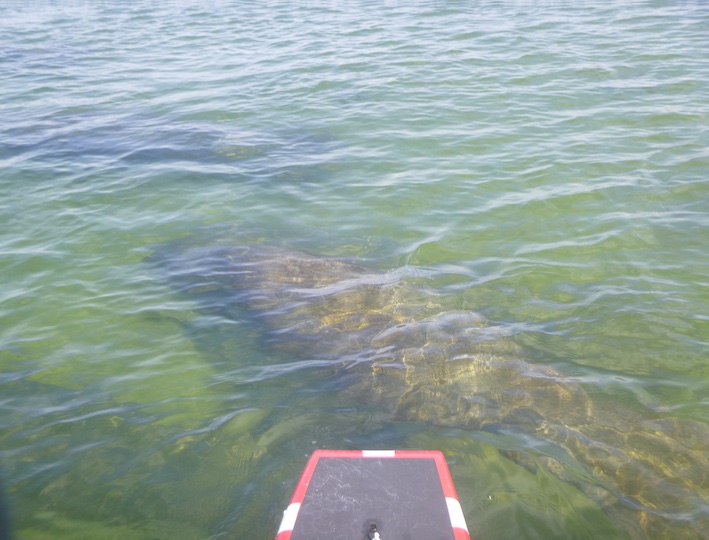


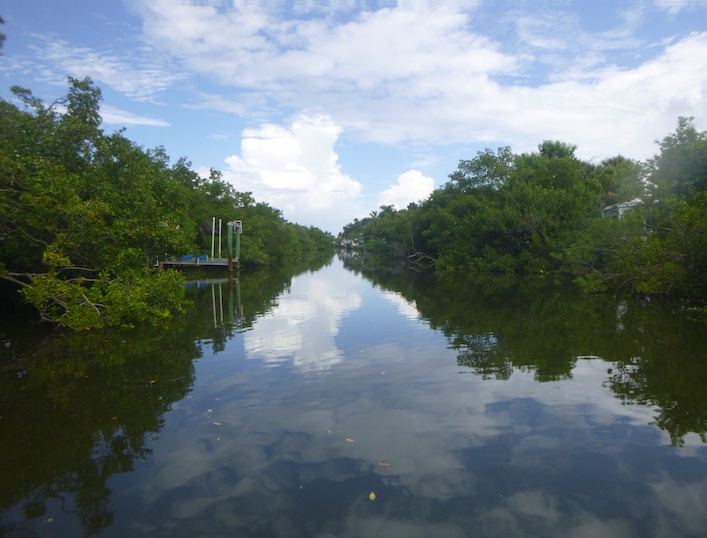
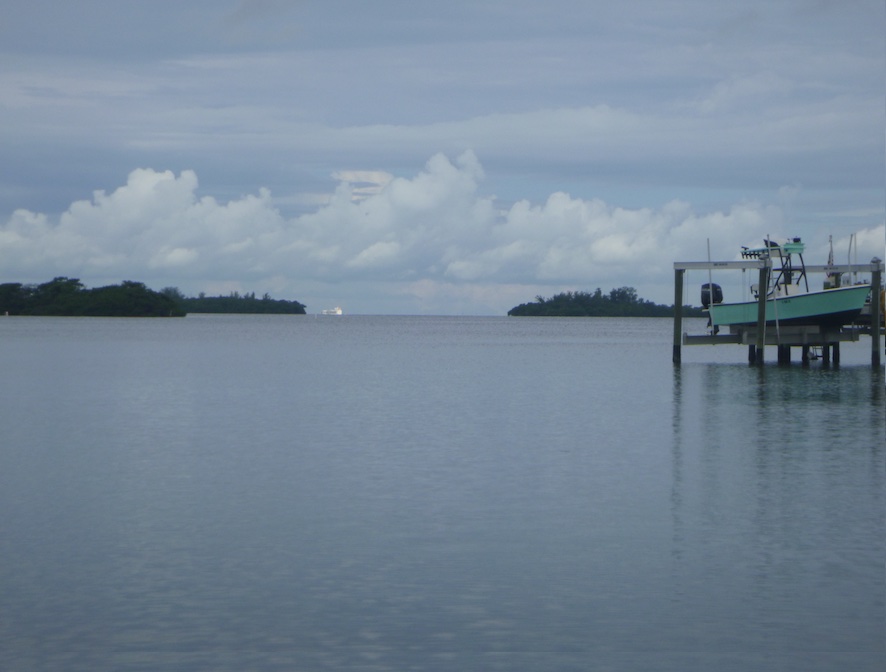


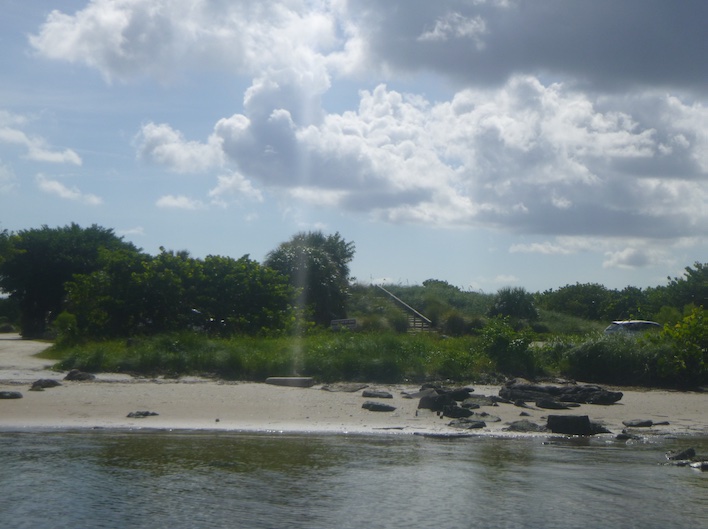
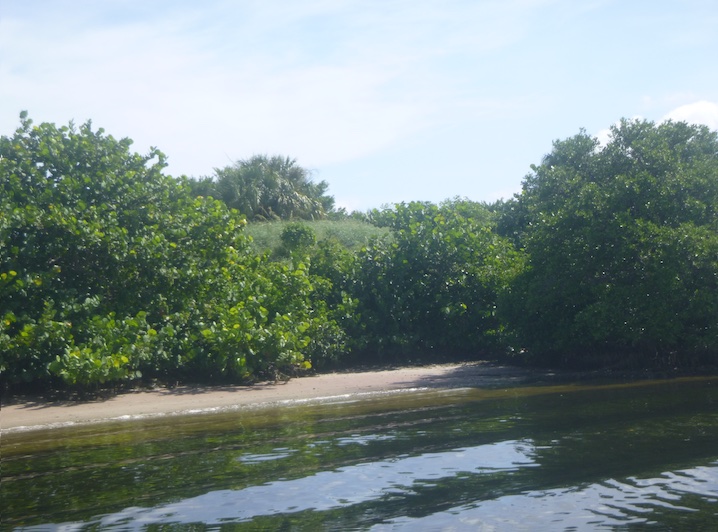


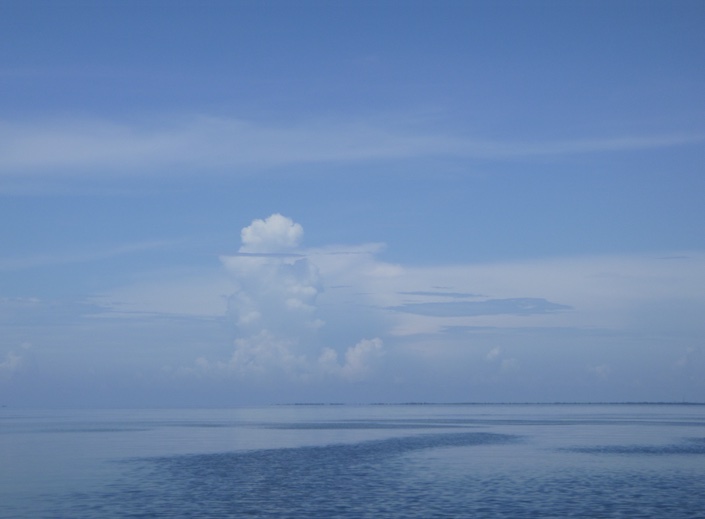


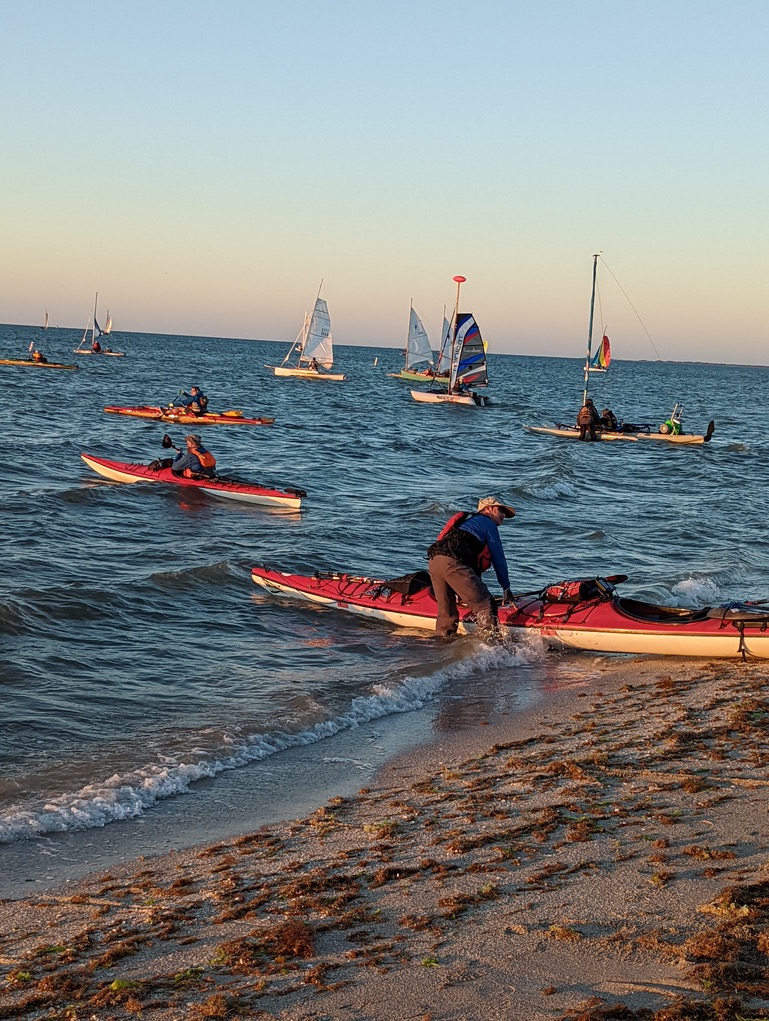

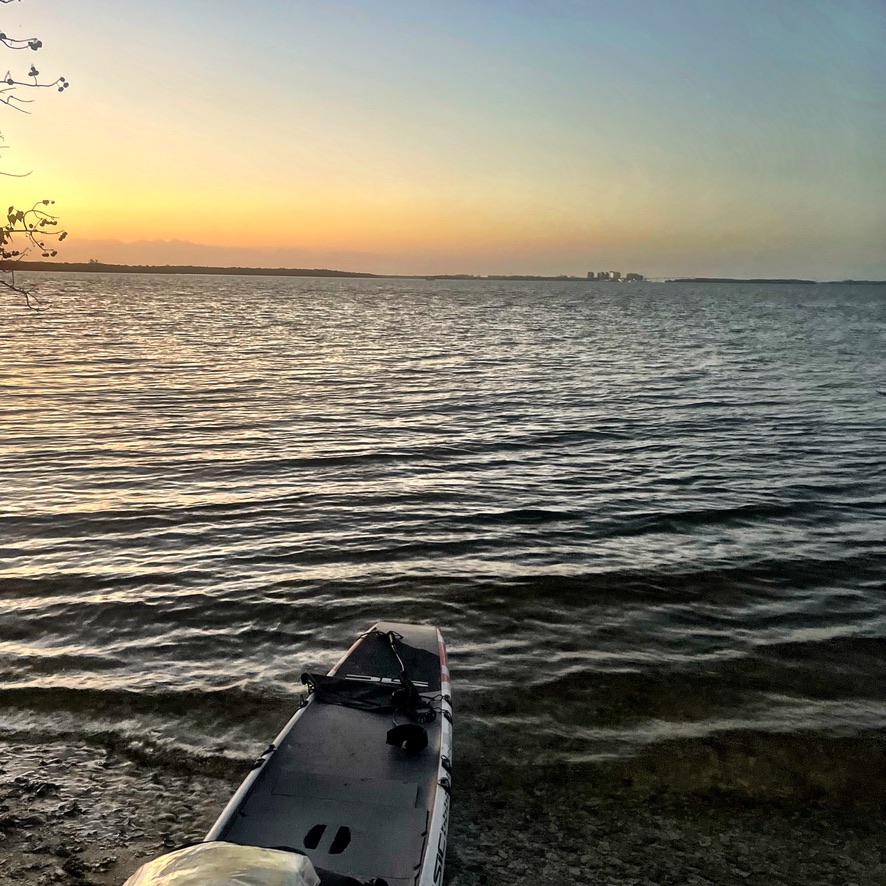


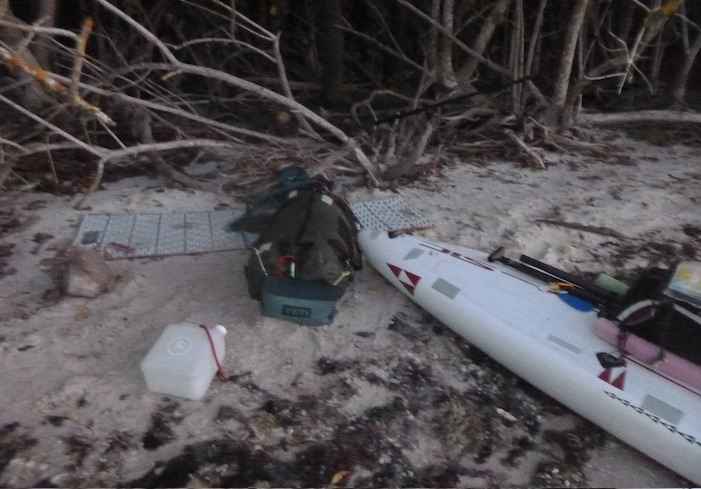

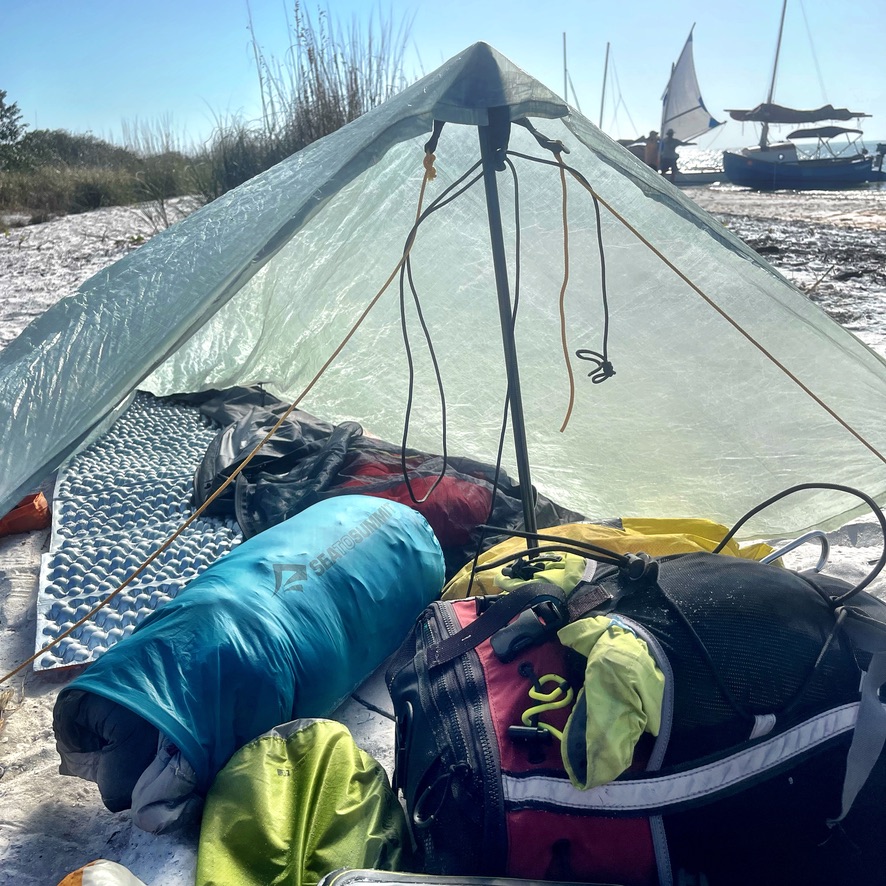


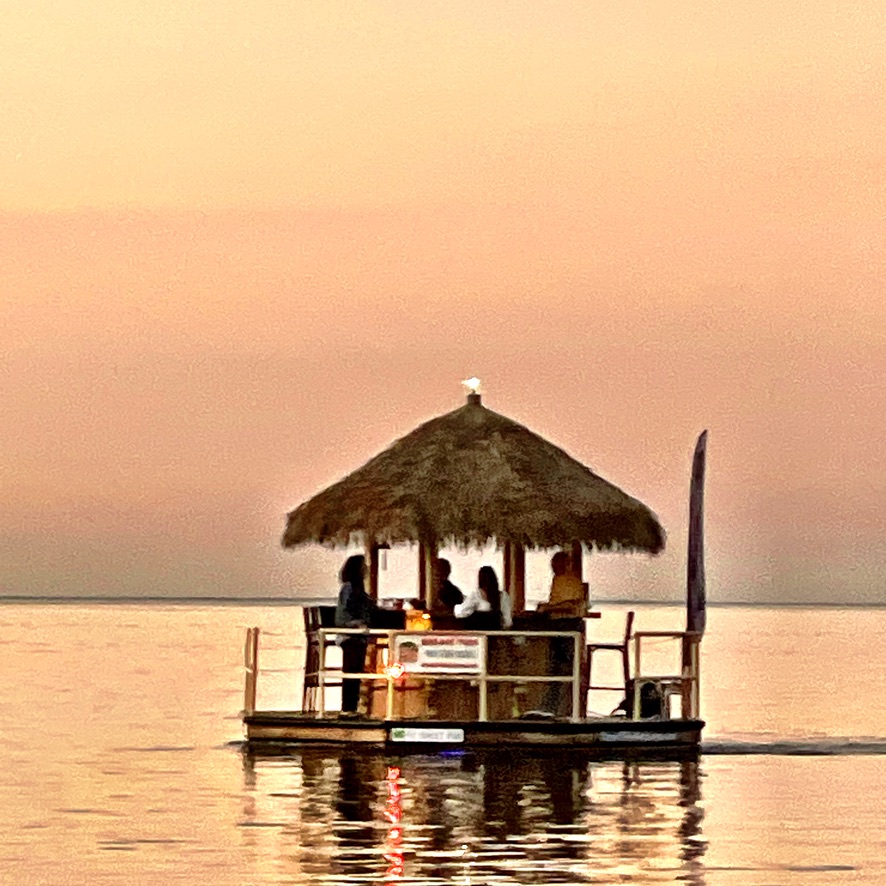


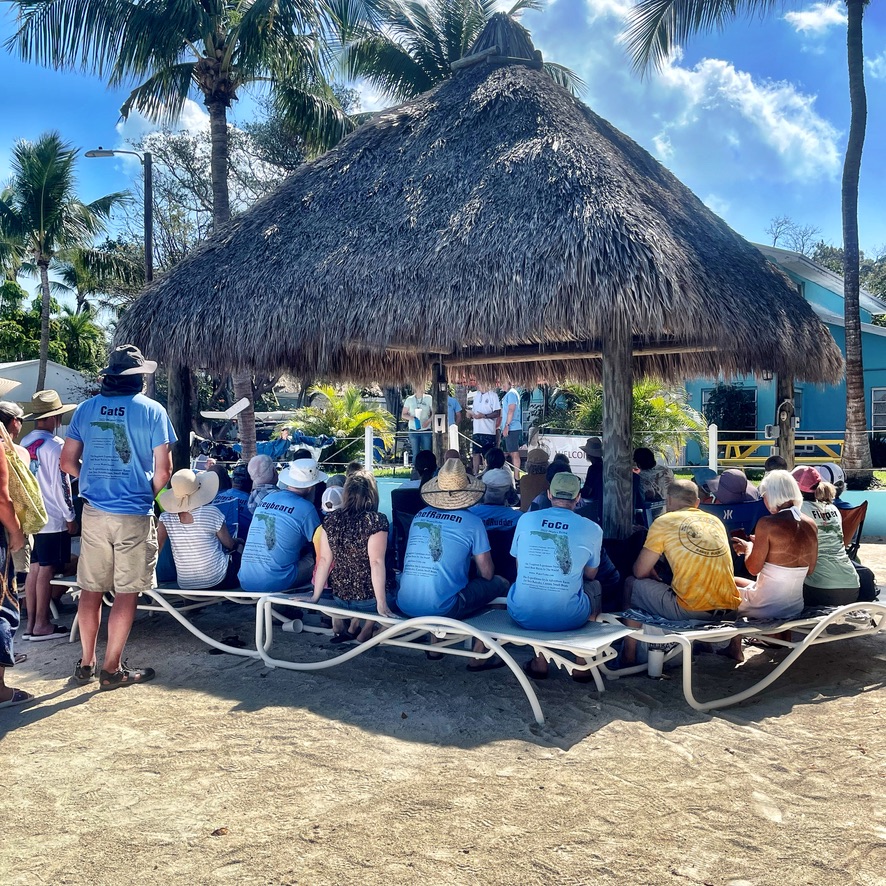


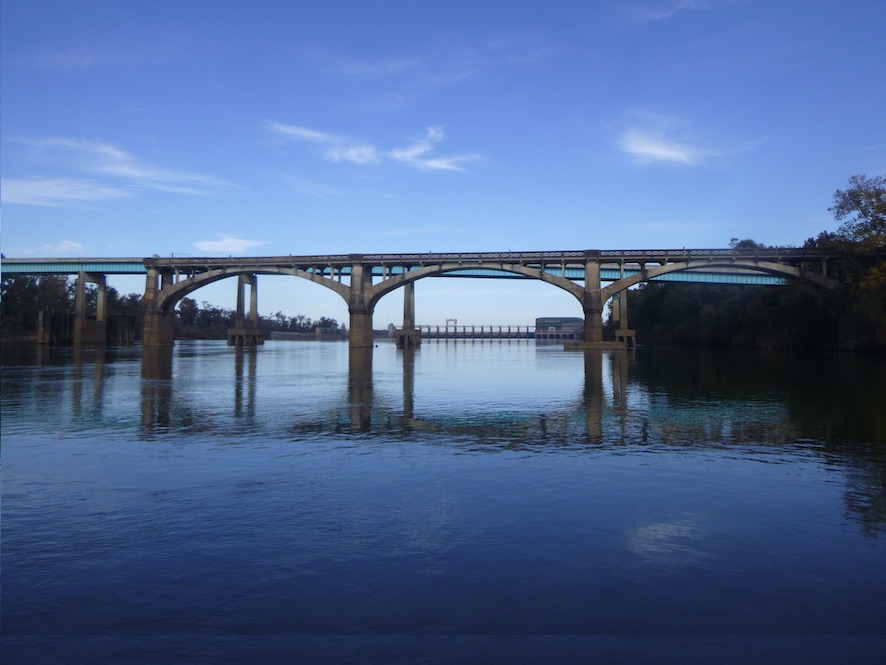


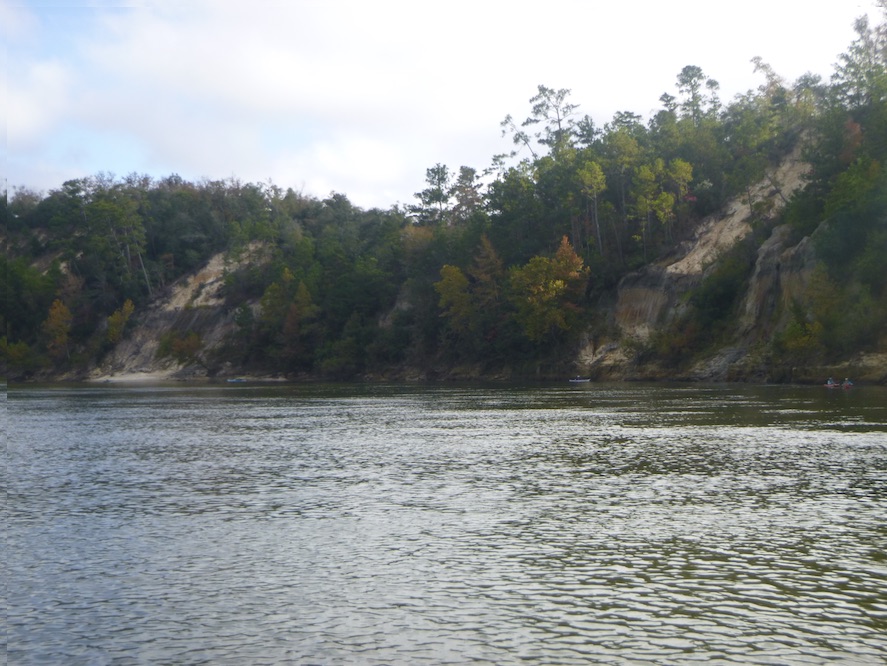
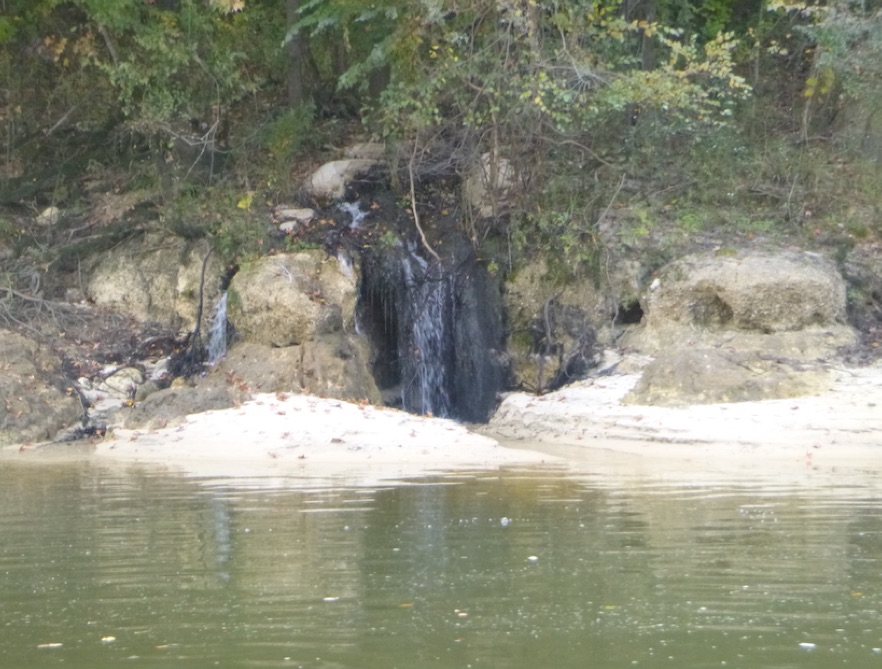

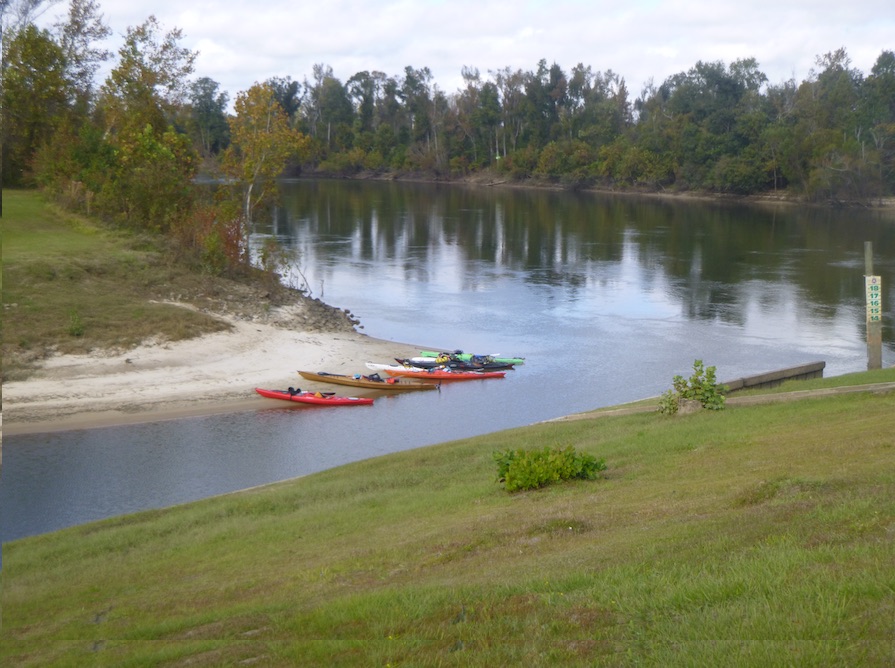

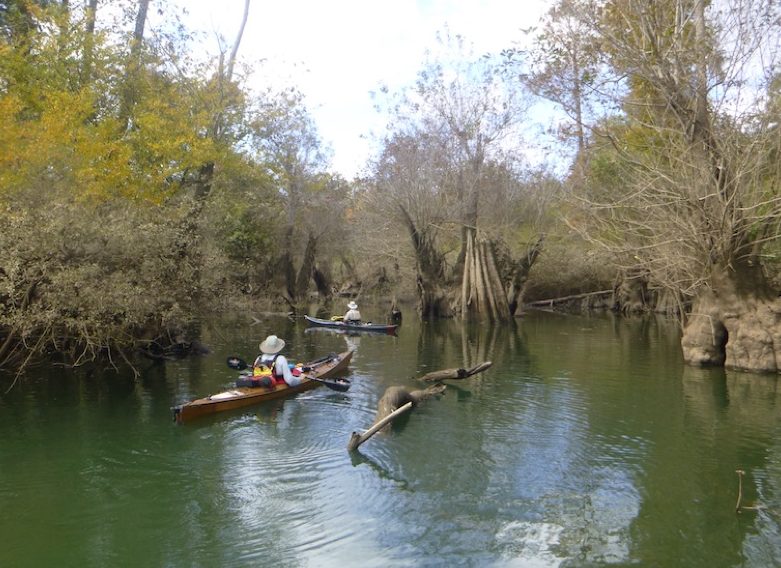
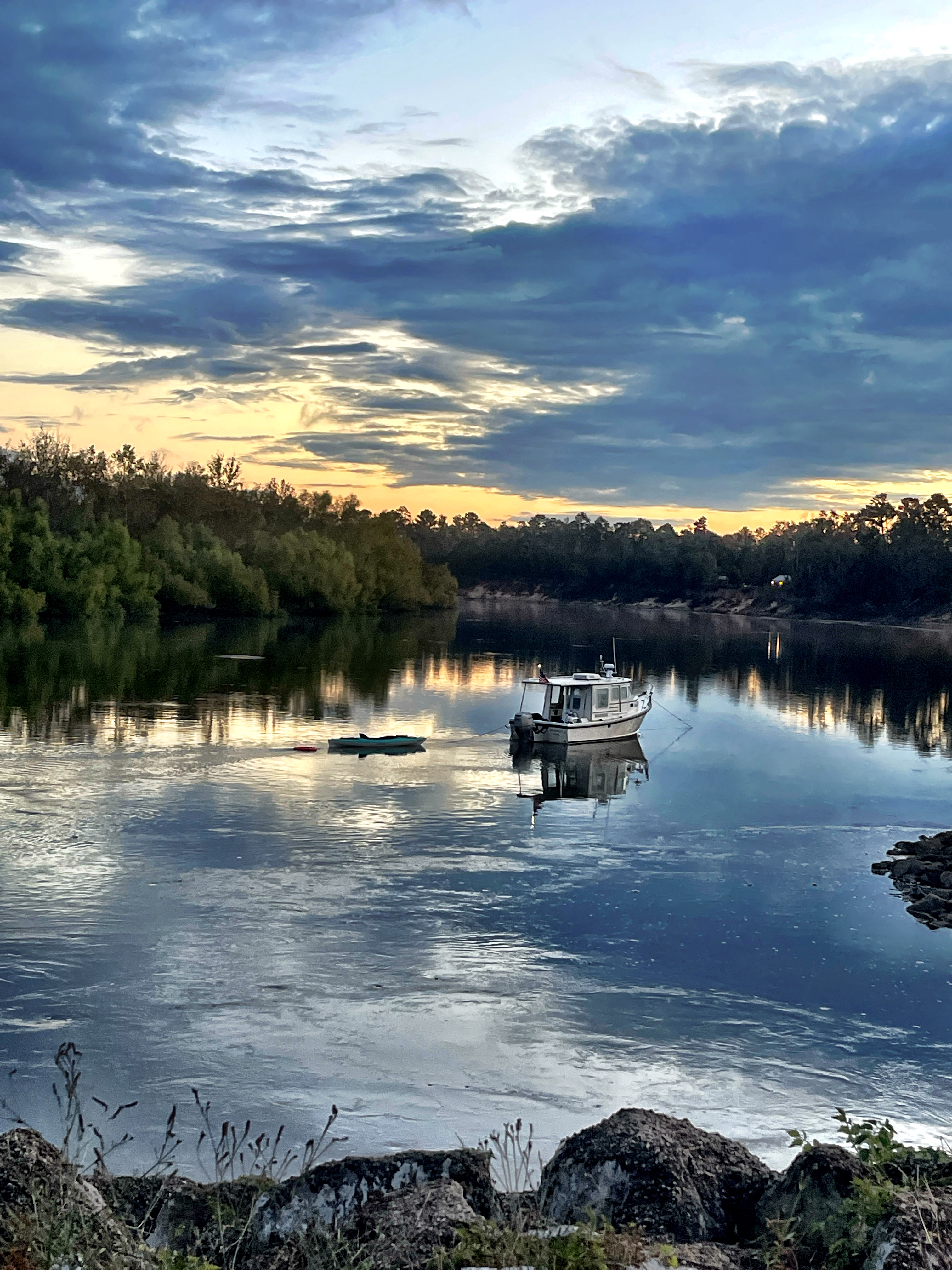


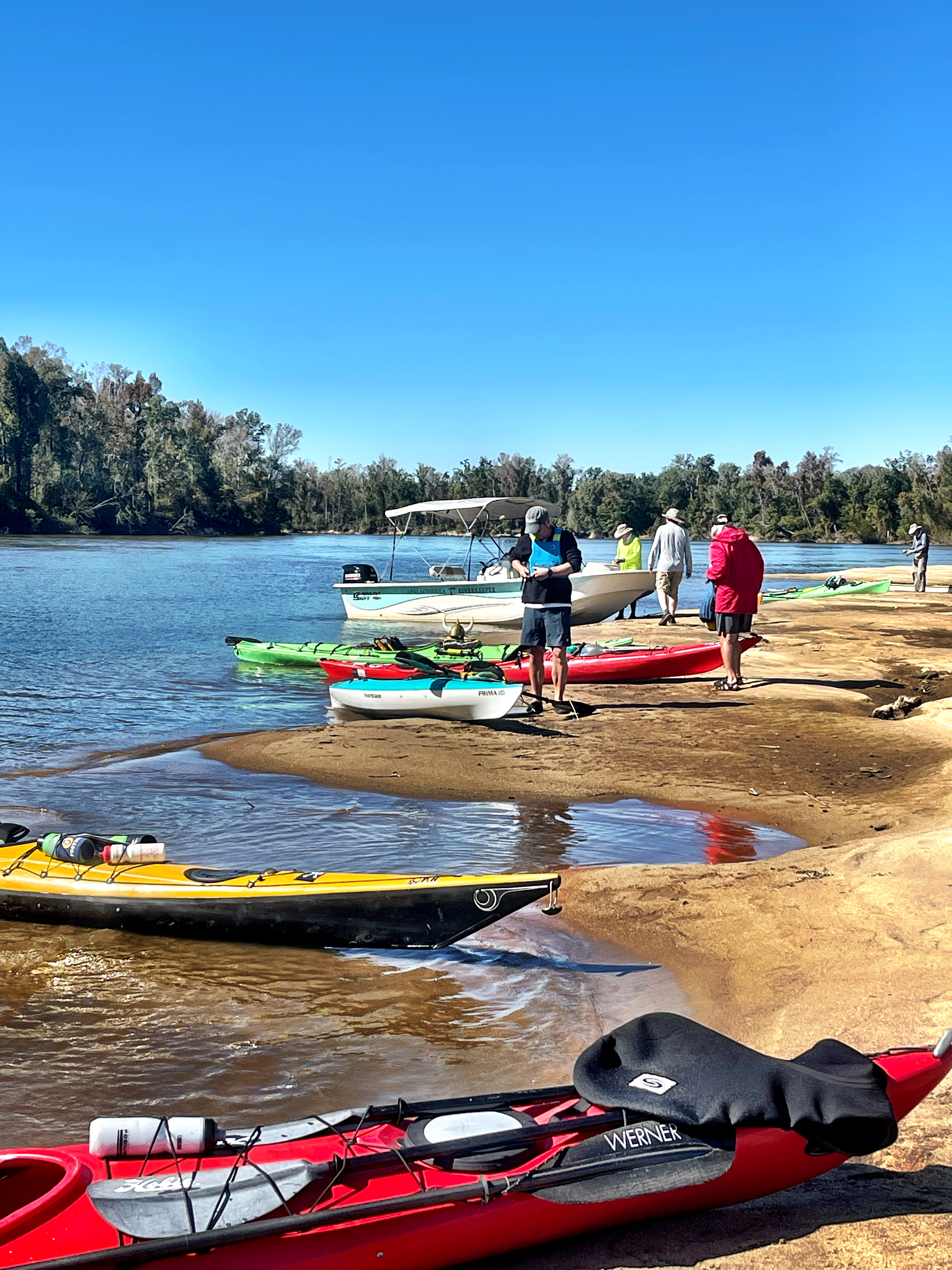


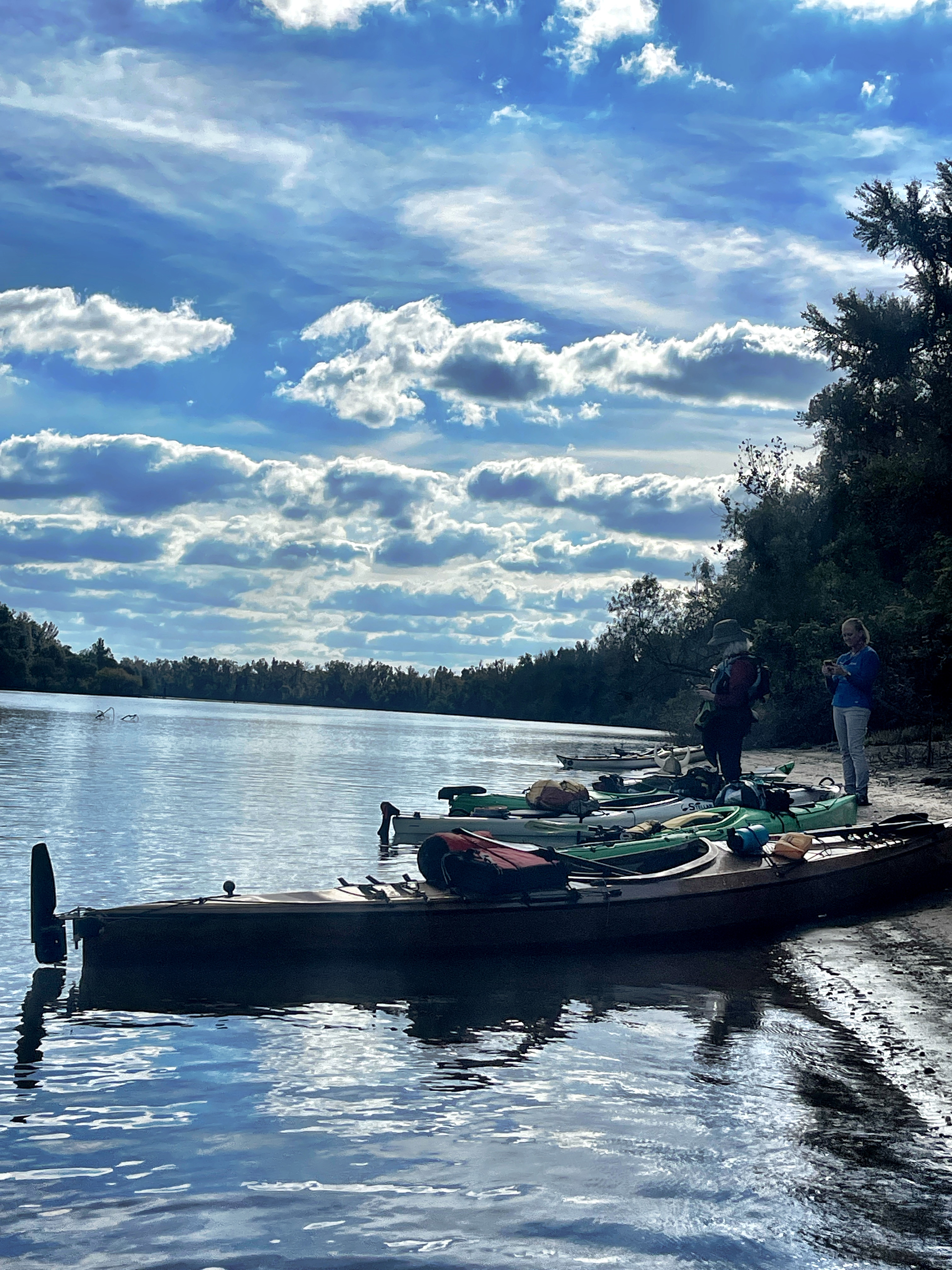
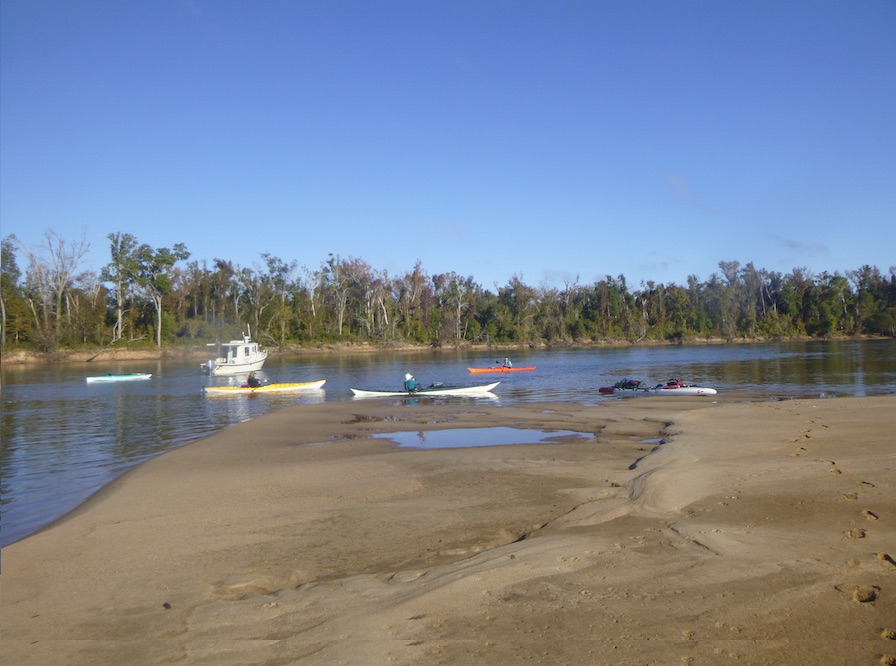

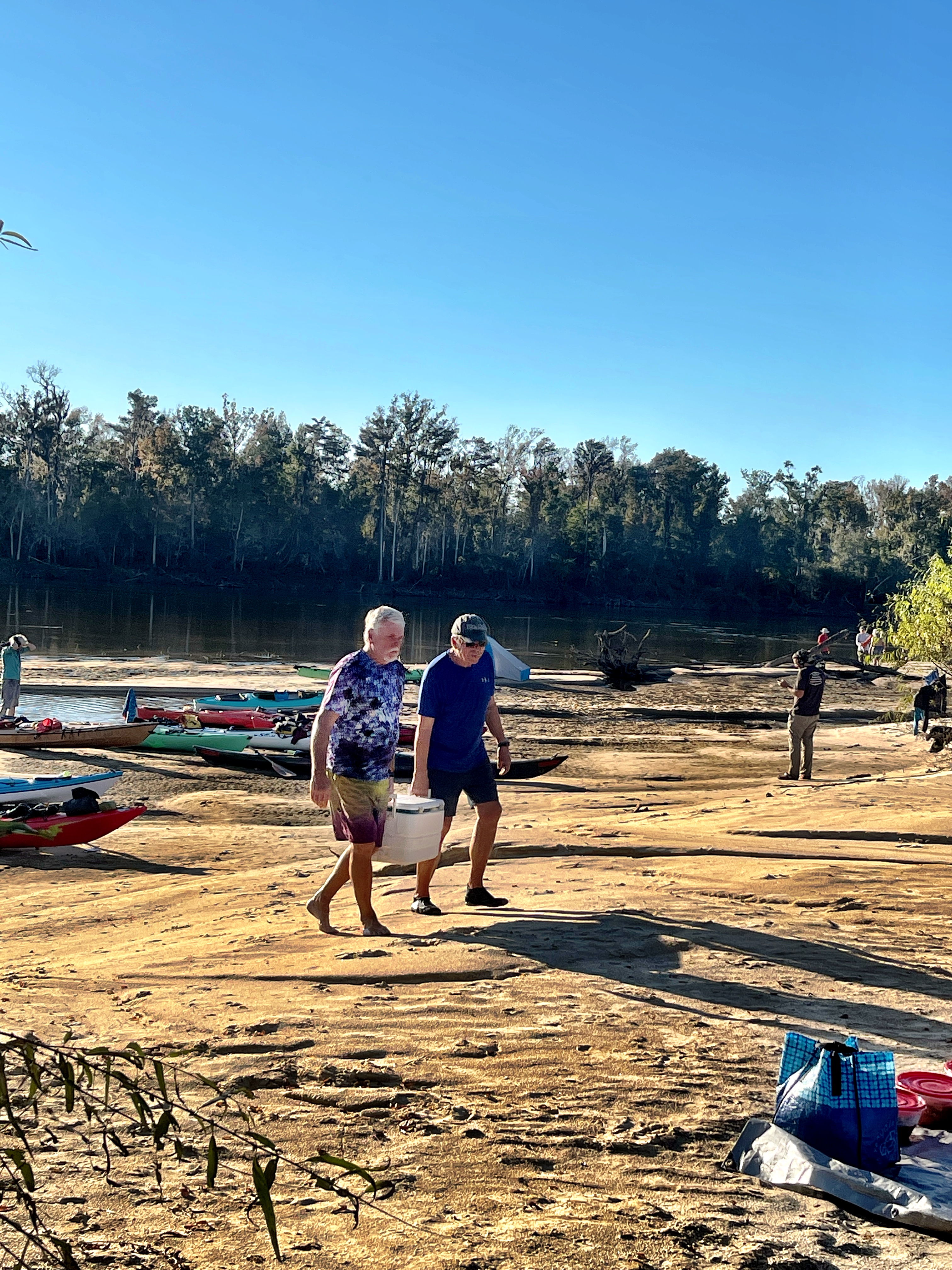


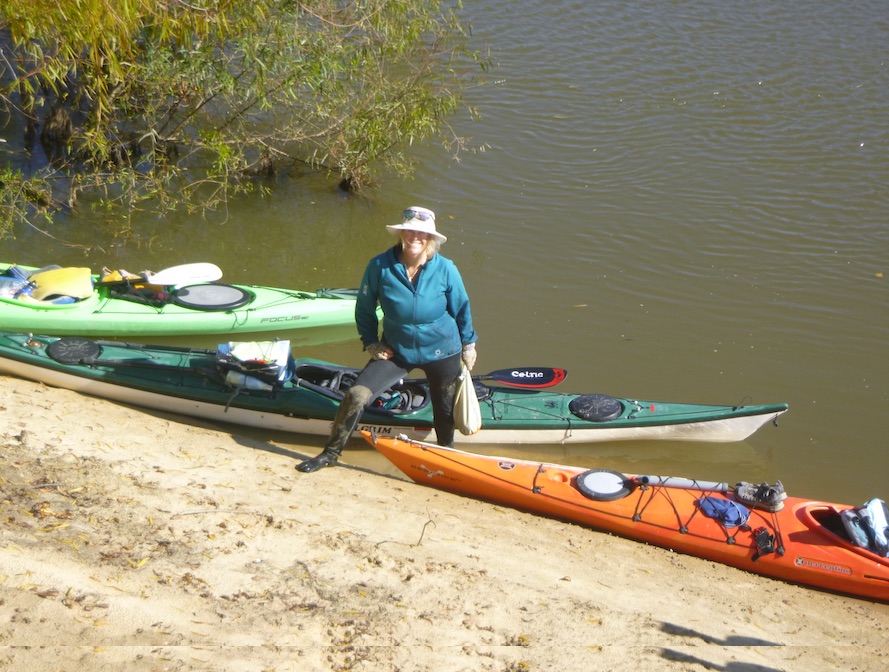


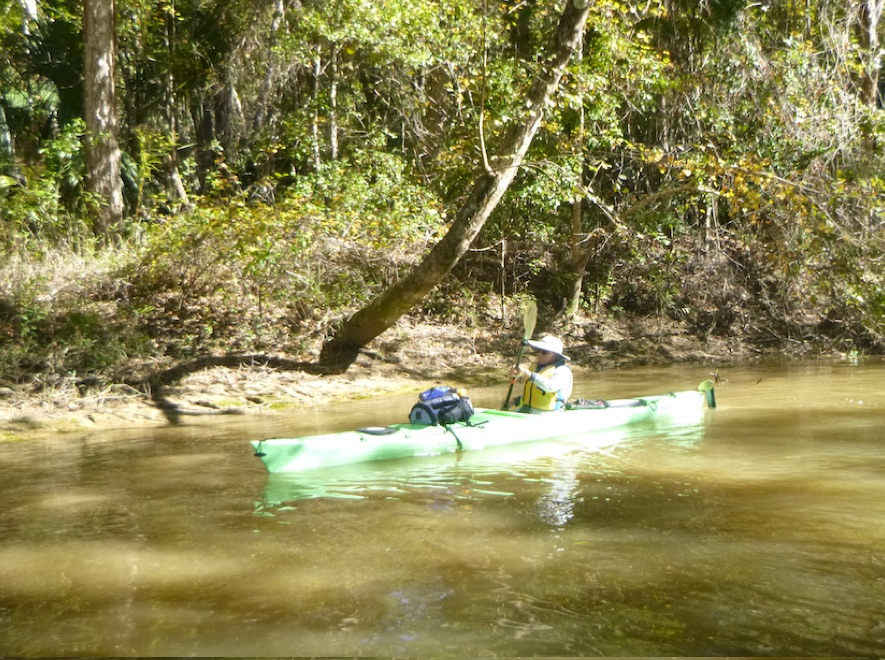

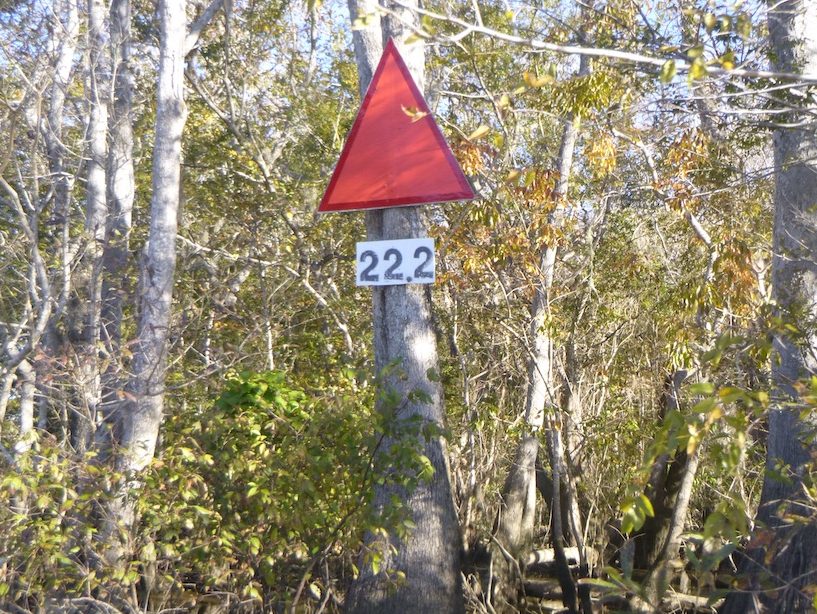


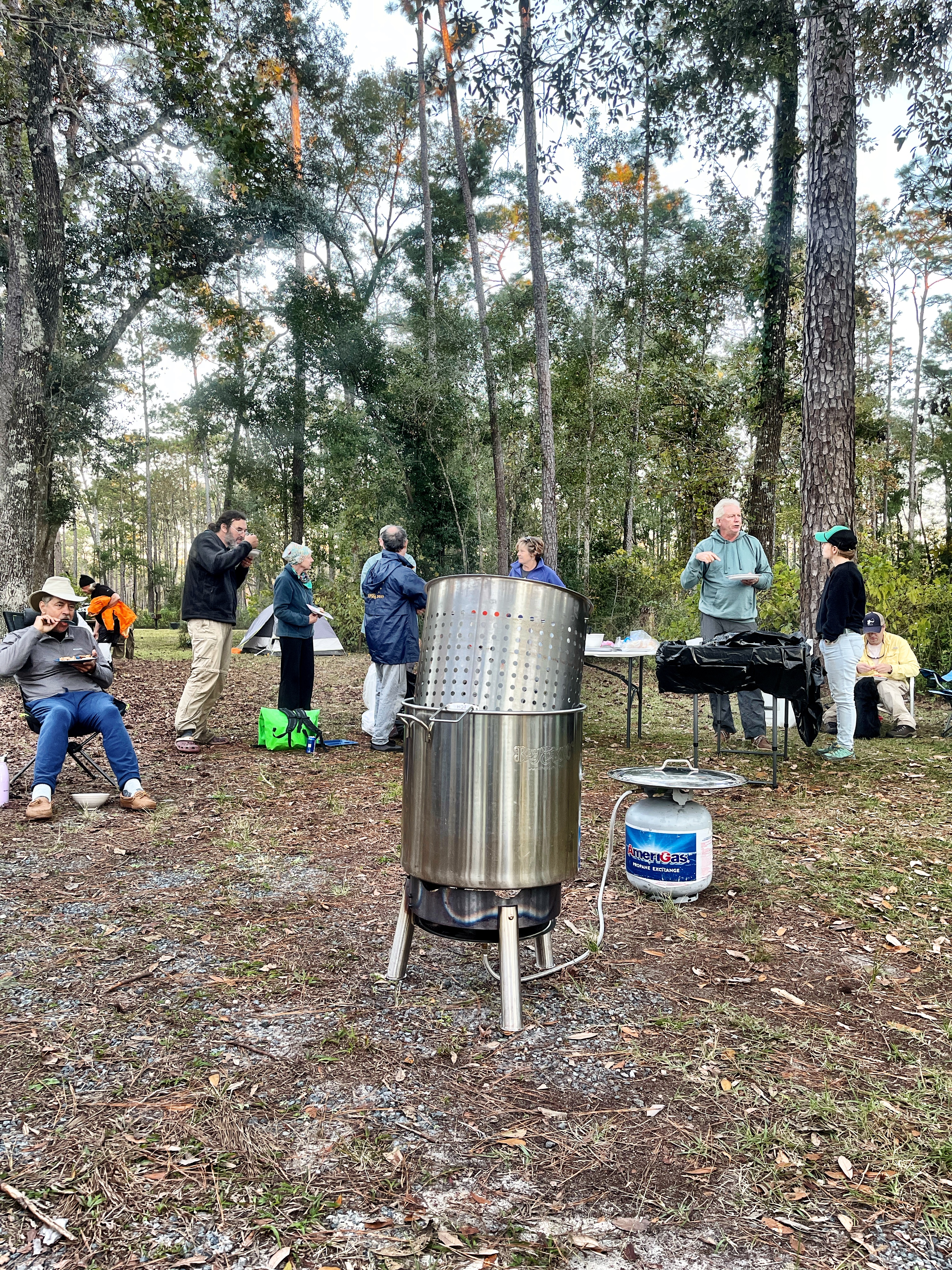
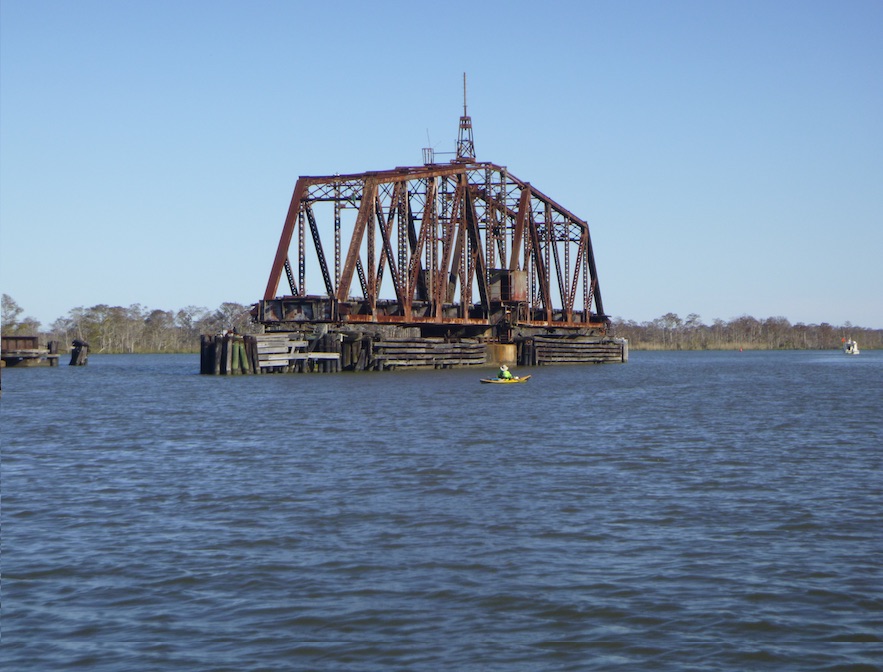

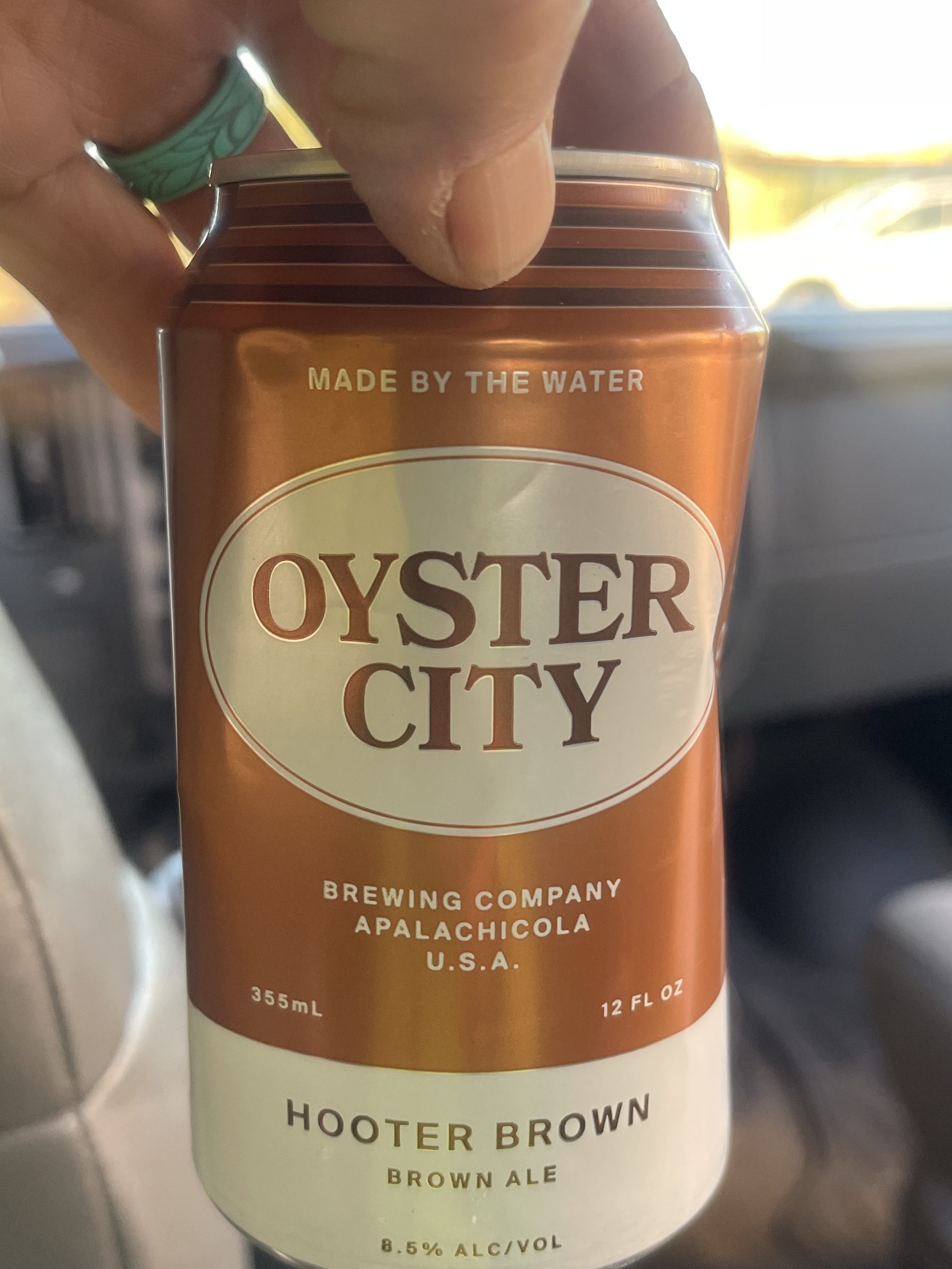
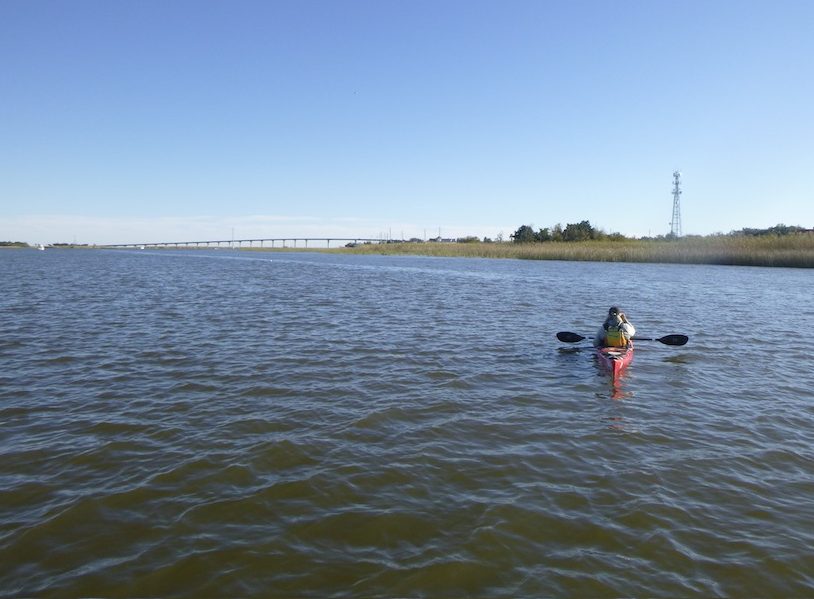
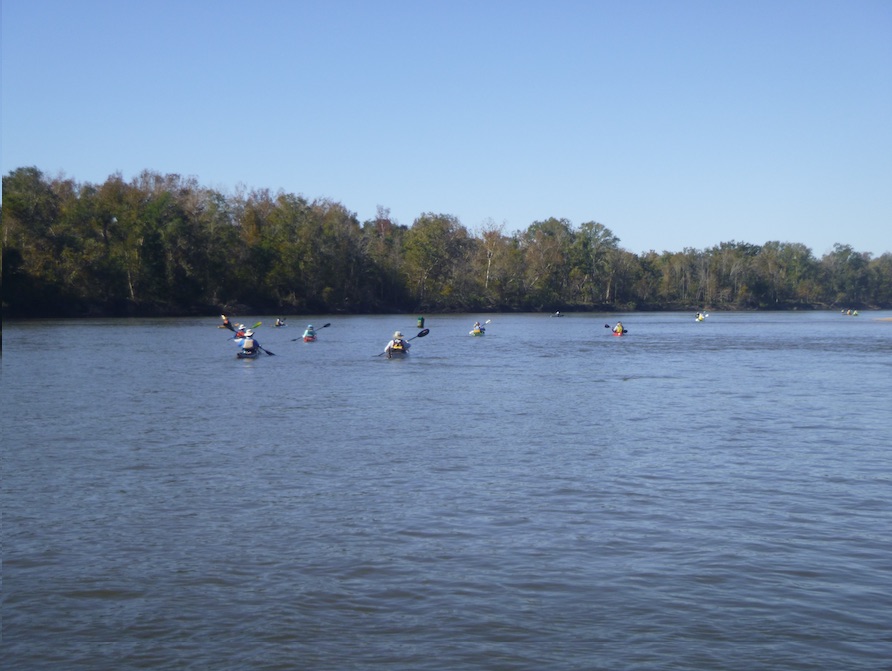
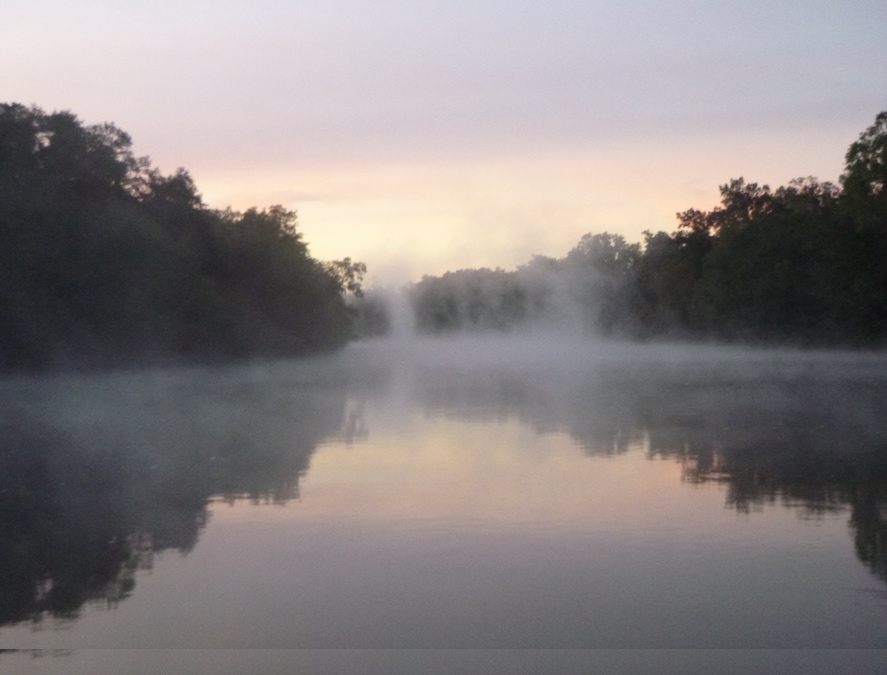


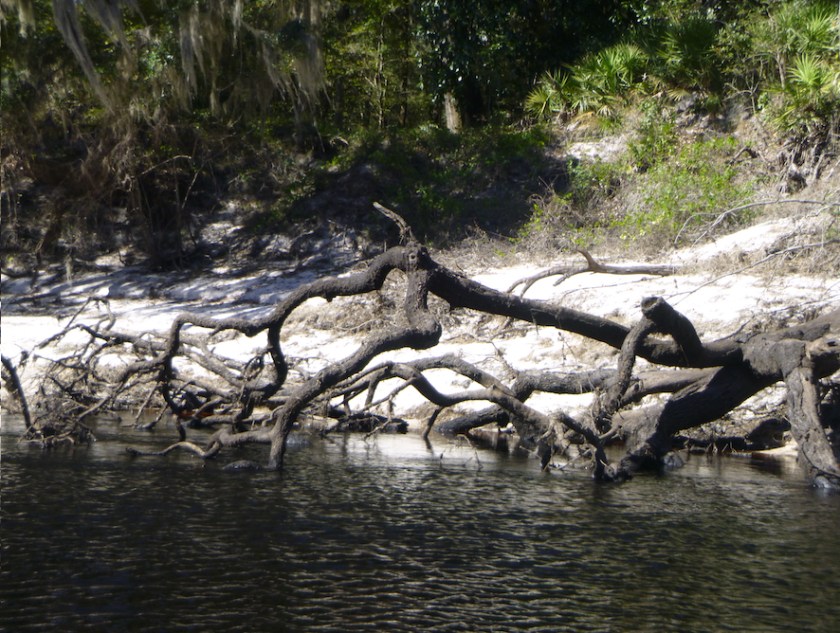
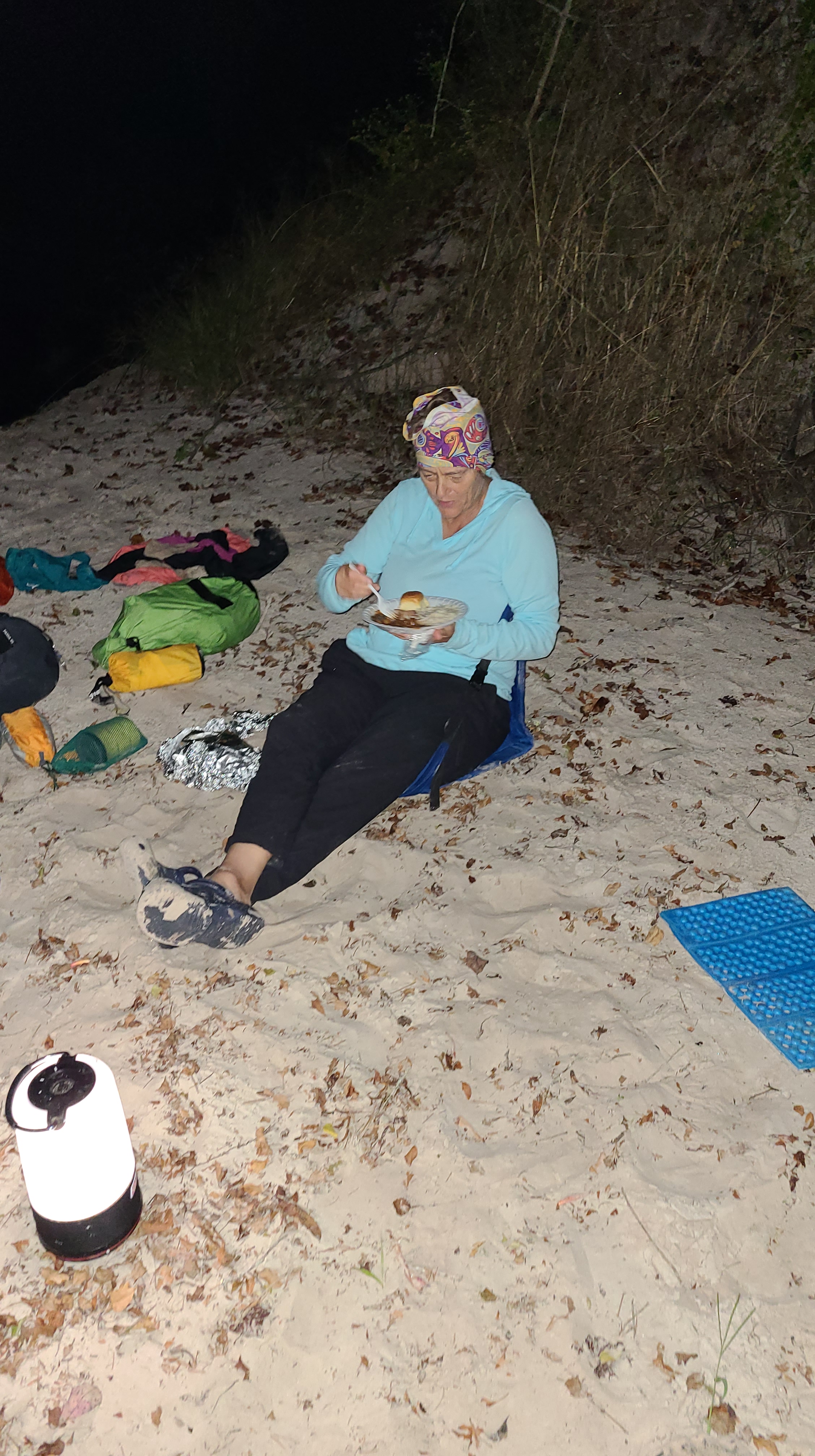

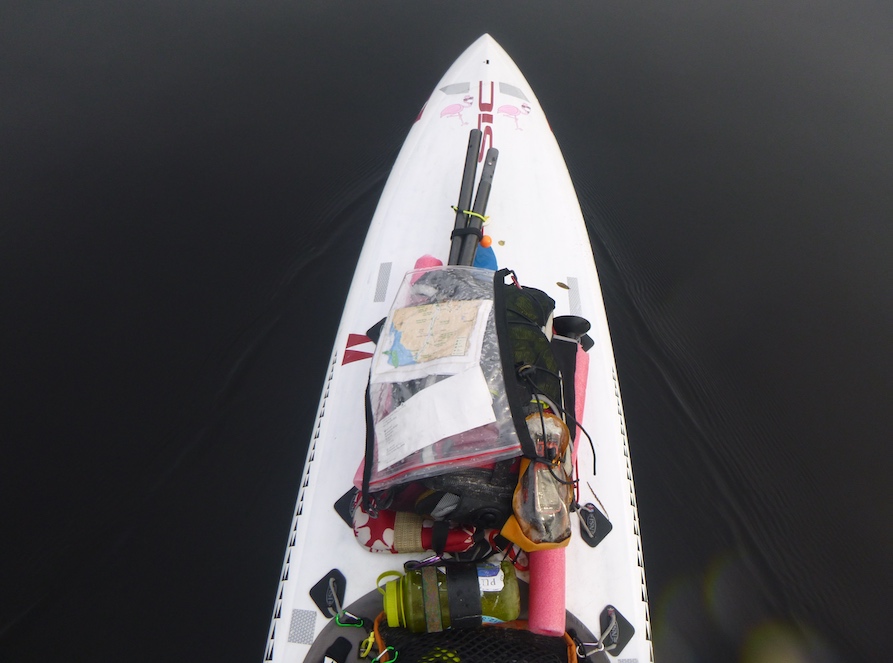
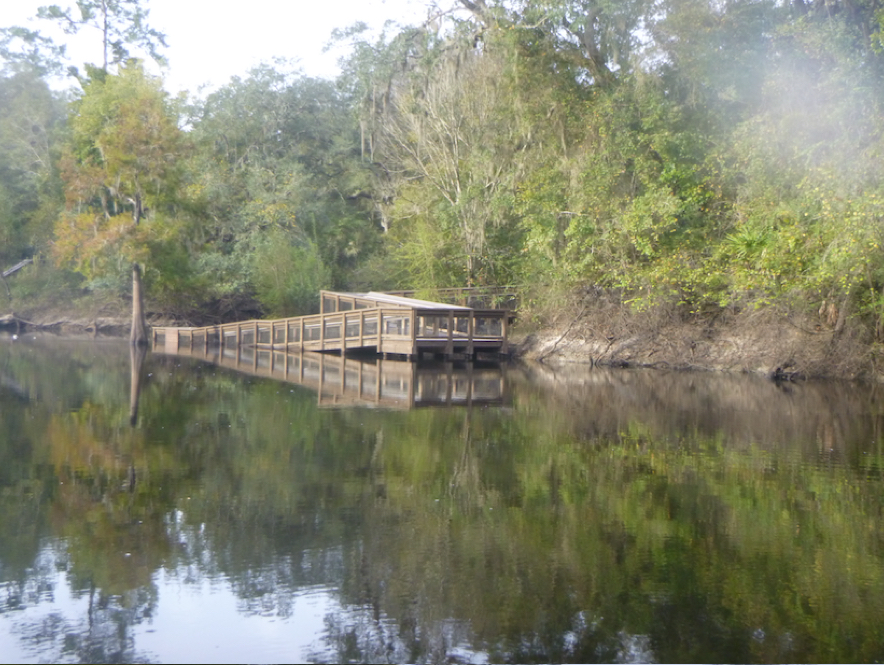
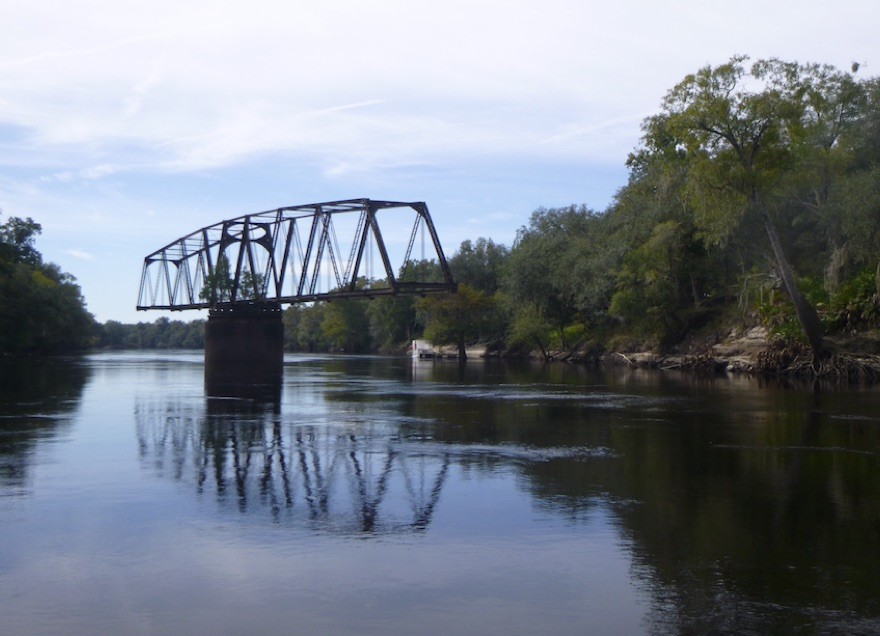
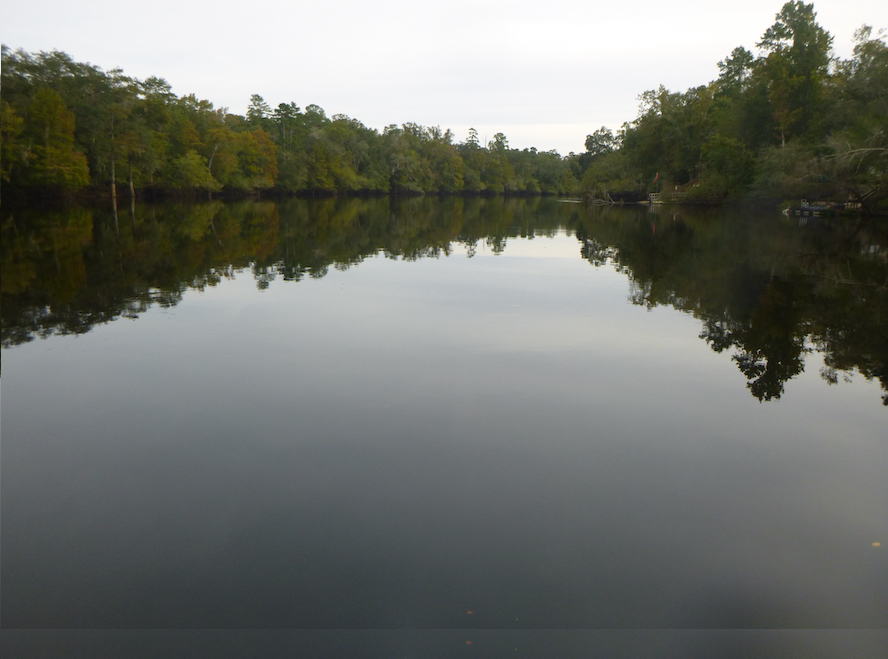
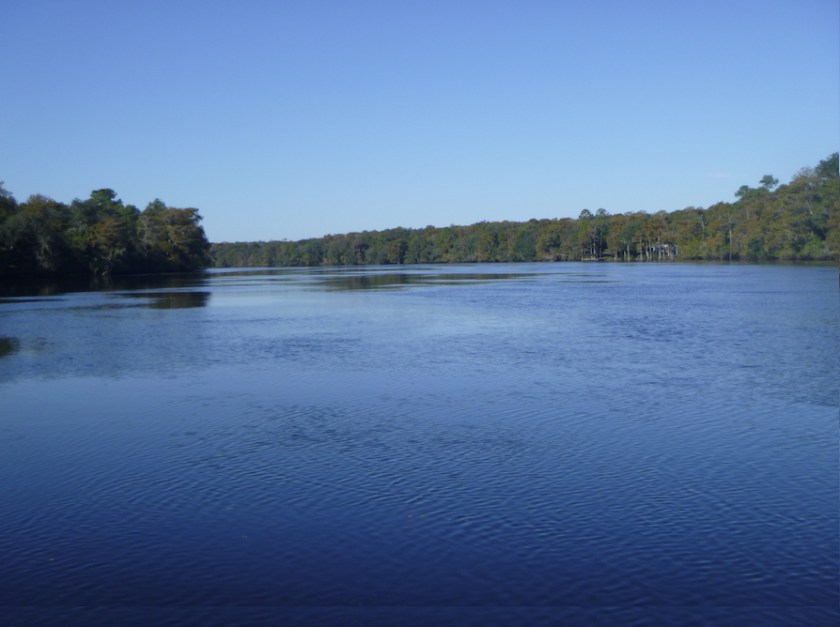
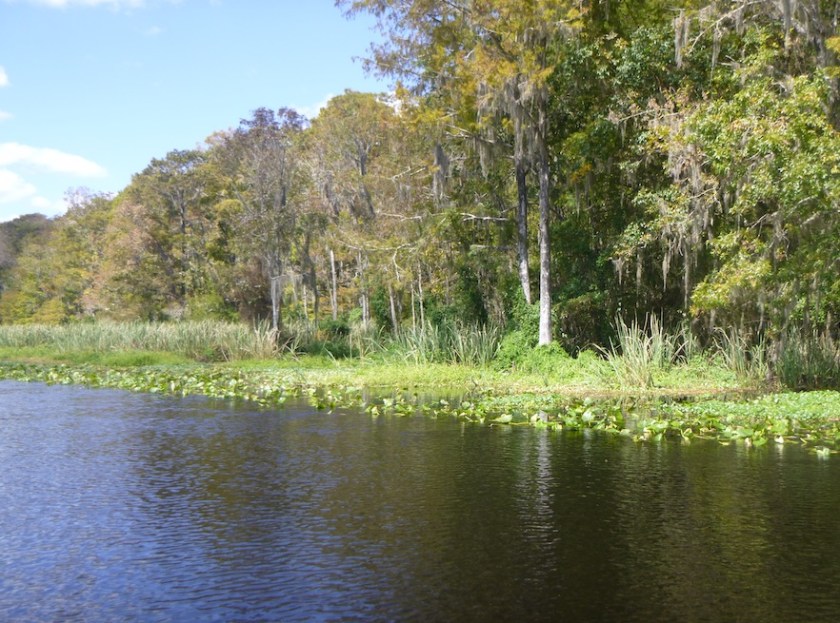


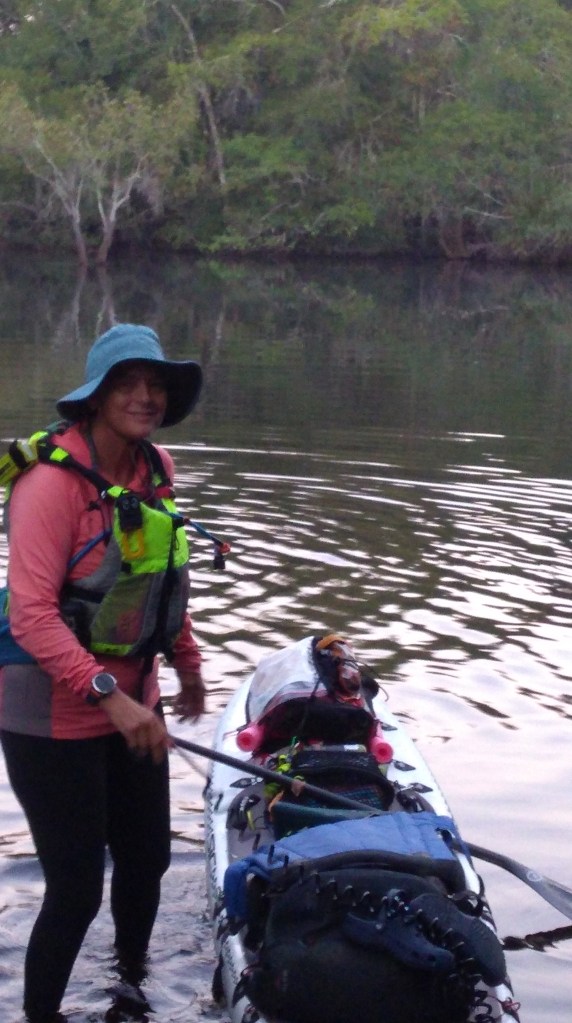
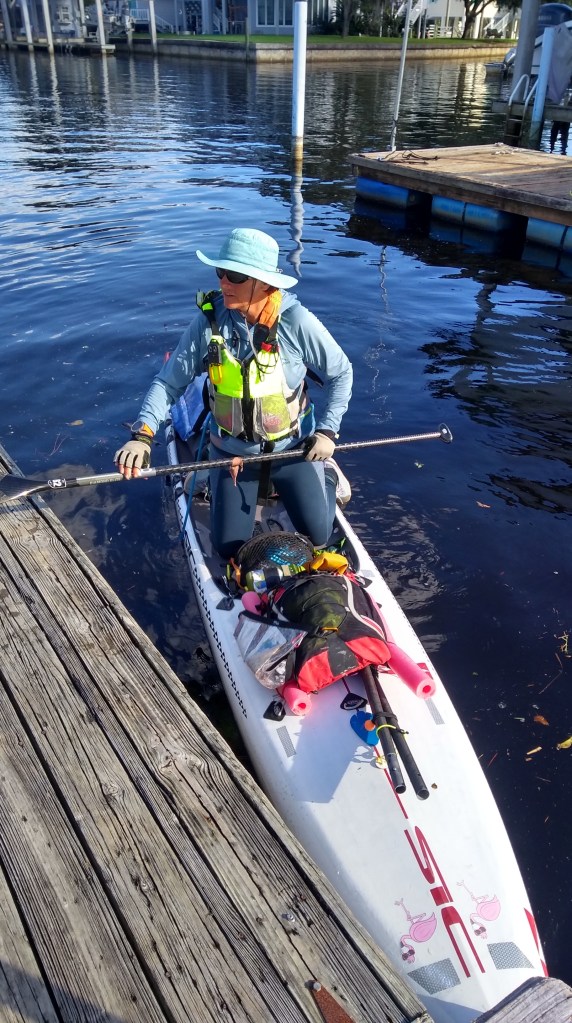

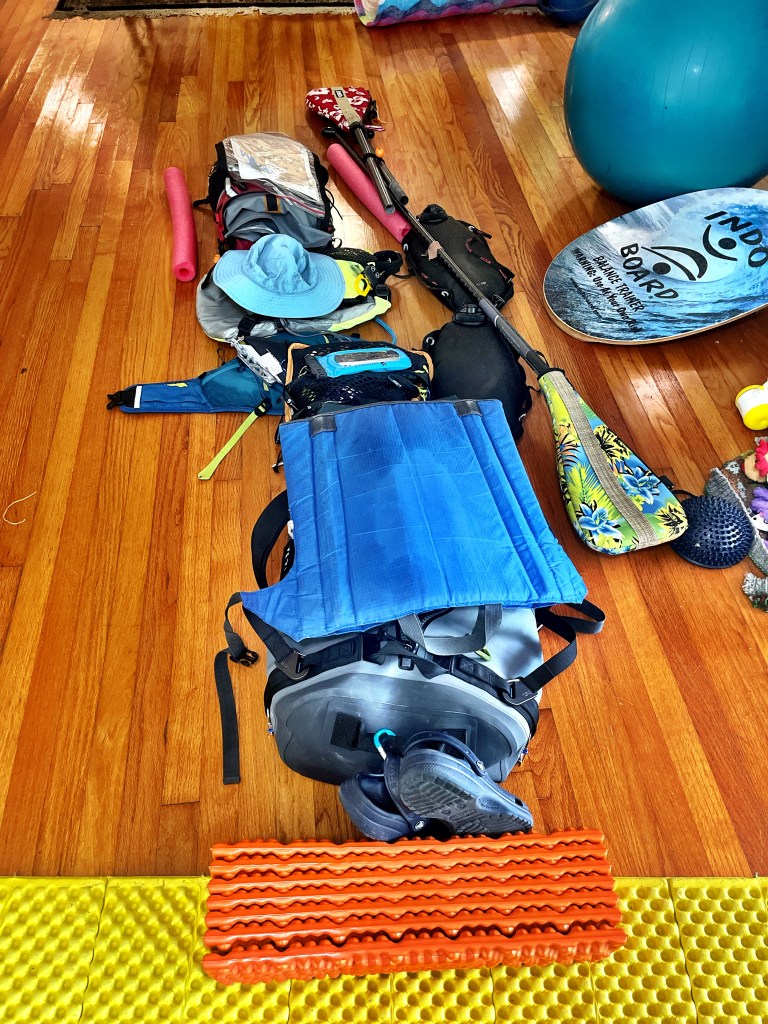


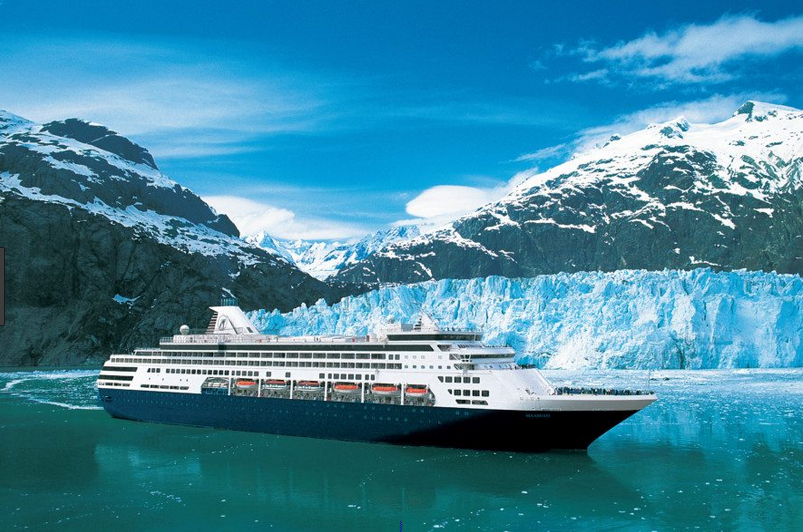


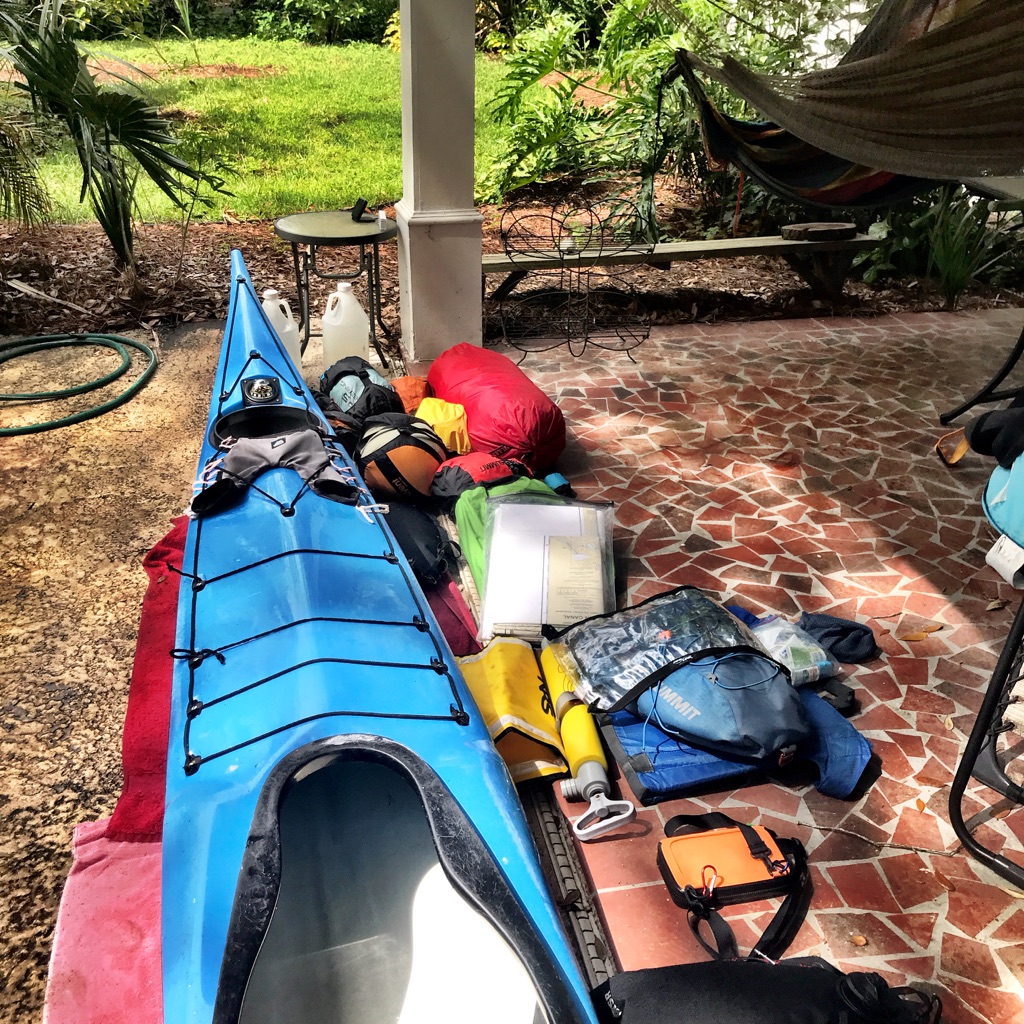

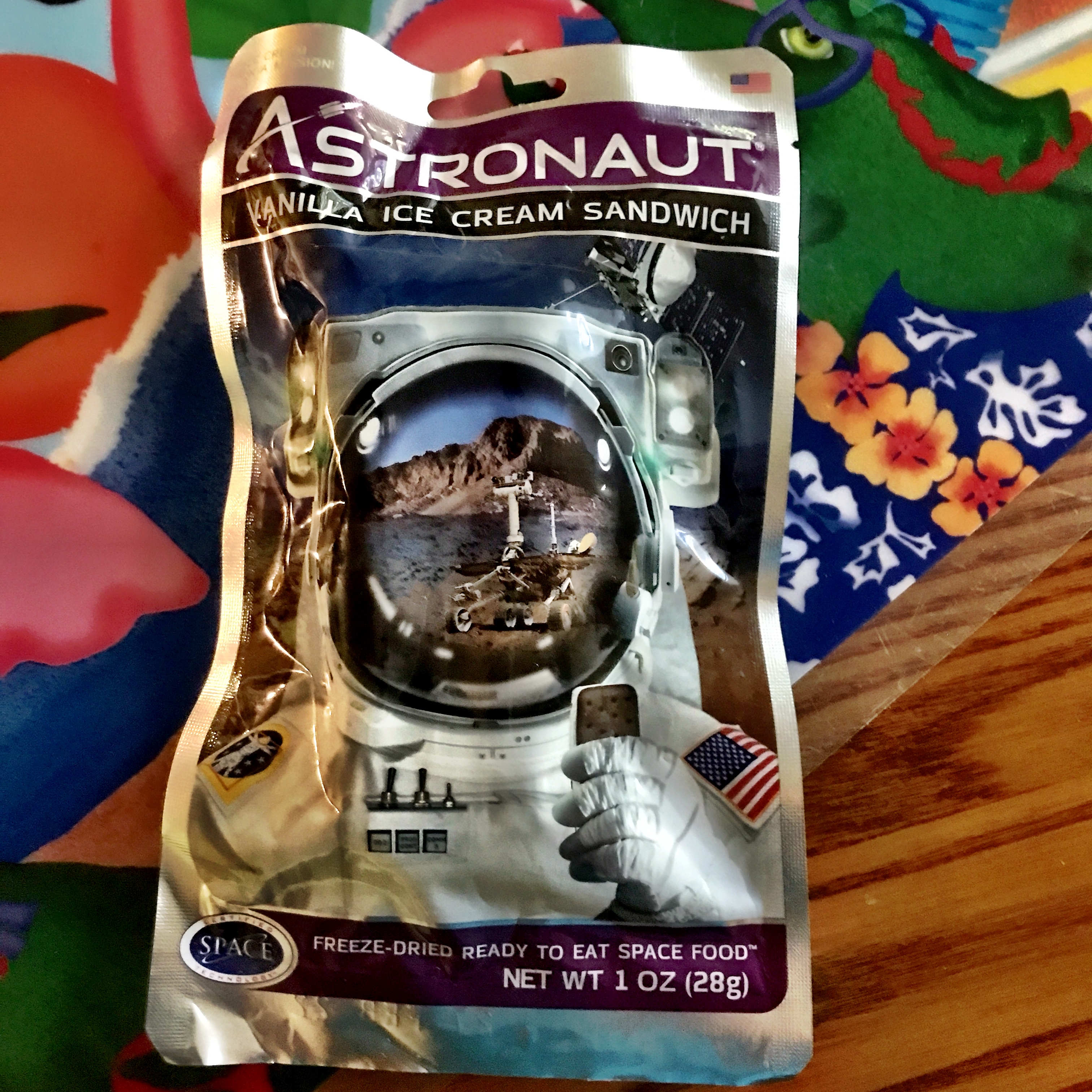


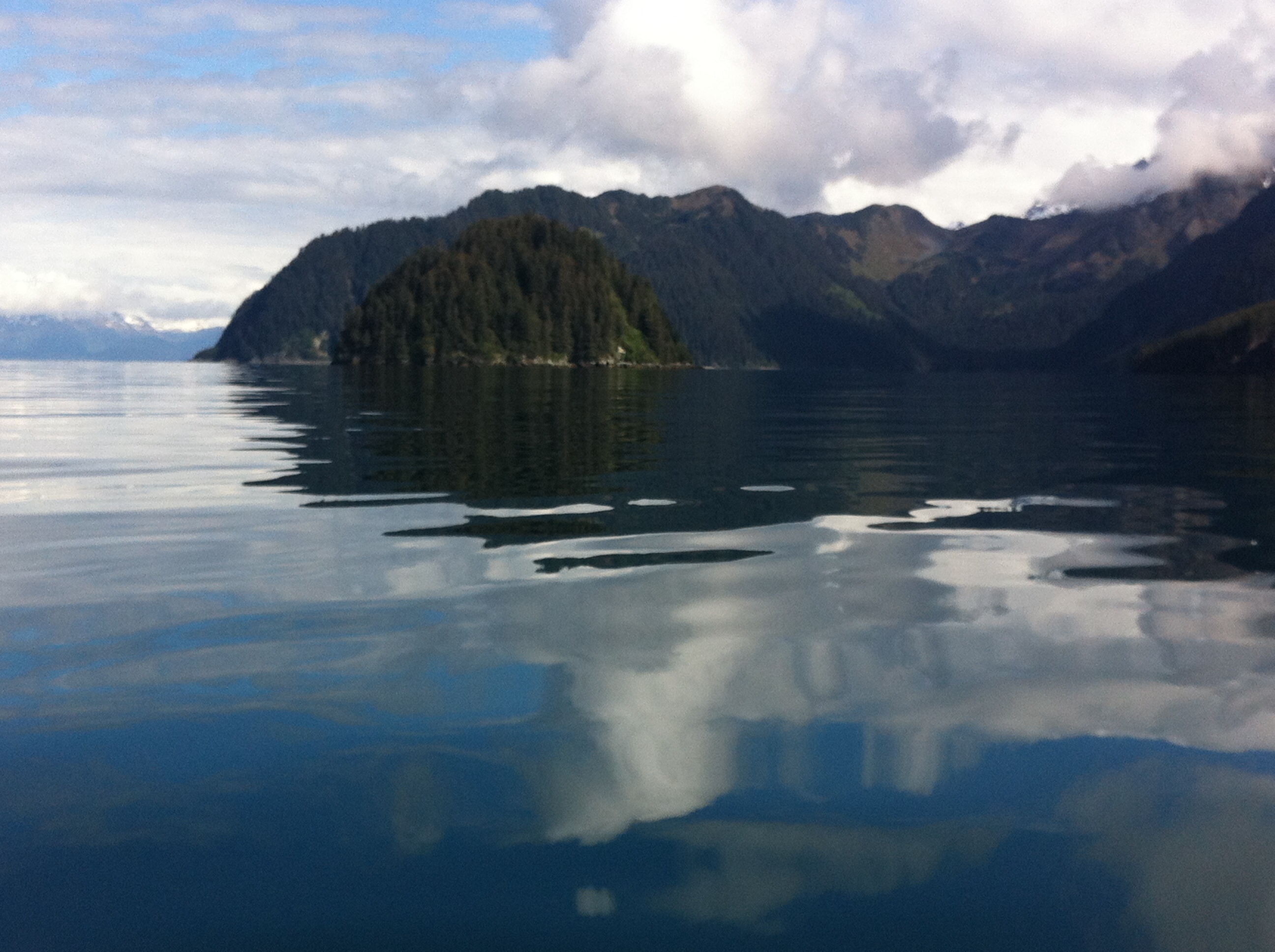
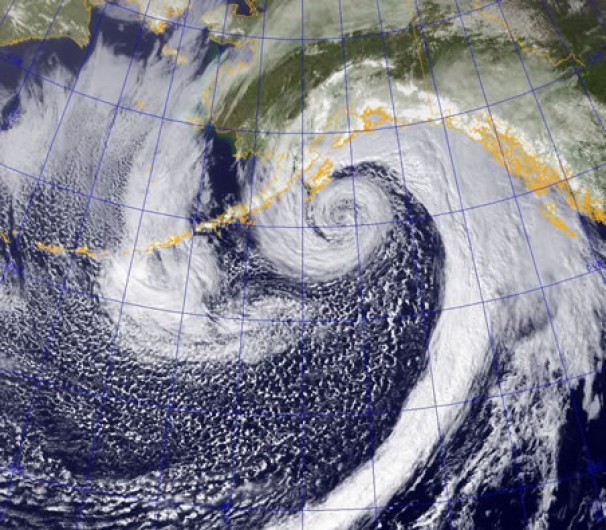

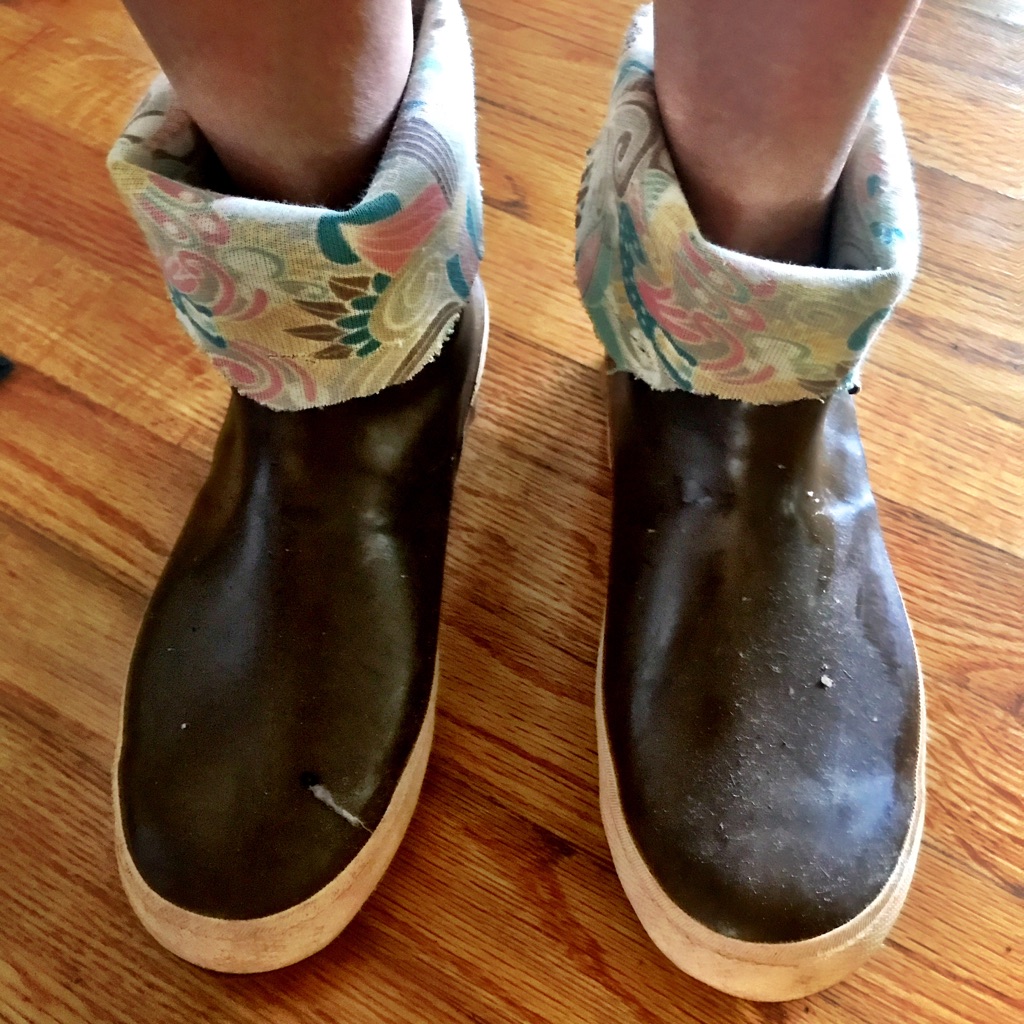
 Florida Waterscapes