Winds, Waves, and Wake in the Ten Thousand Islands

Glassy waters in our Goodland anchorage

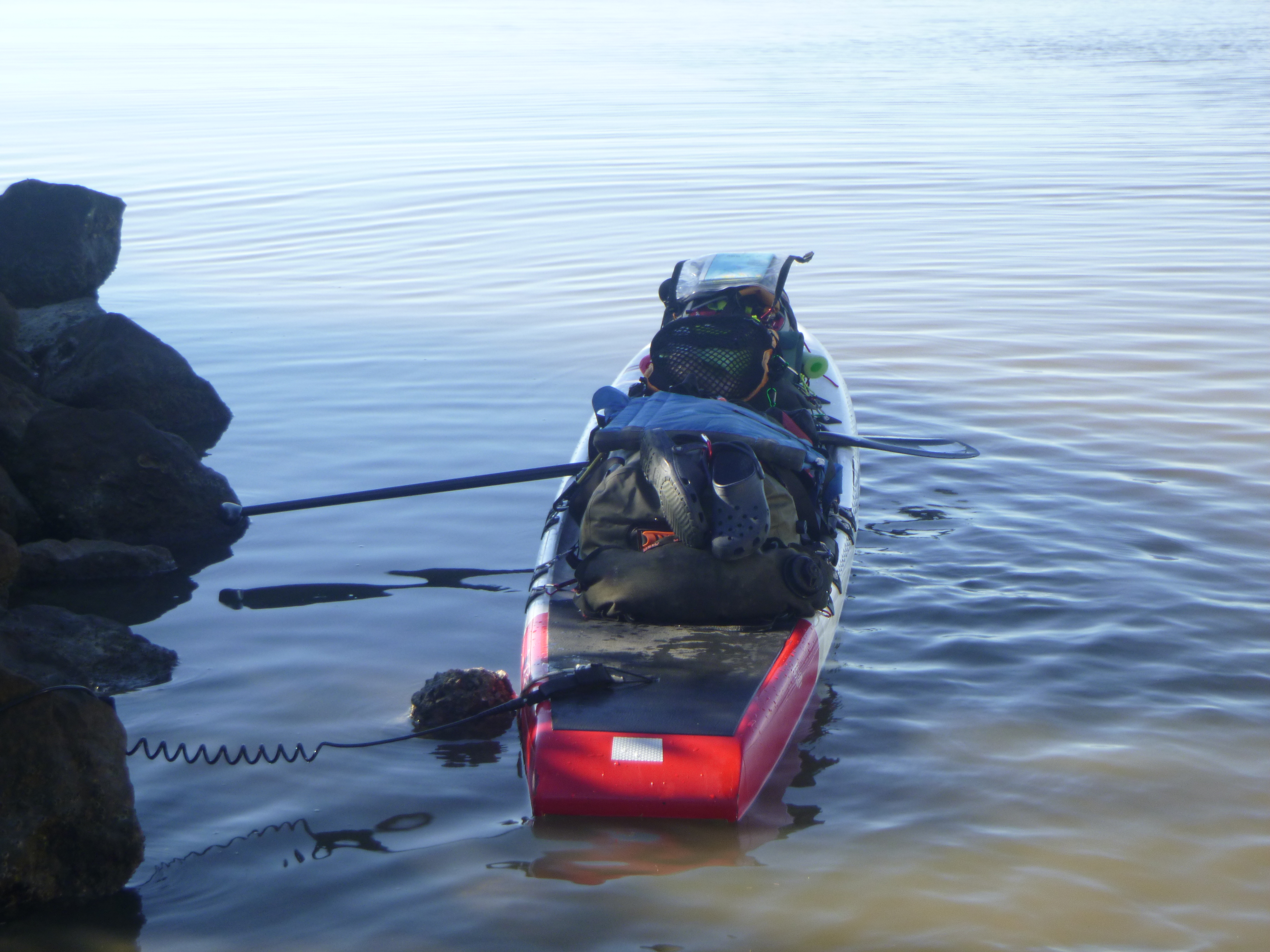
A break in the wearther between storms — we’re off! With board, board, and gear, Kevin and I fought wind and rain to reach Goodland, Florida. Our plan: 5 days exploring land and water in Rookery Bay and the Ten Thousand Islands to test new gear. My new board — a Sic Maui RS Atlantis 14′ x 24″ — and new rigging for our floating tent, a Sanibel 18 sailboat. New gear almost always creates an adventure..

There’s a boat ramp in here somewhere
Threading the needle

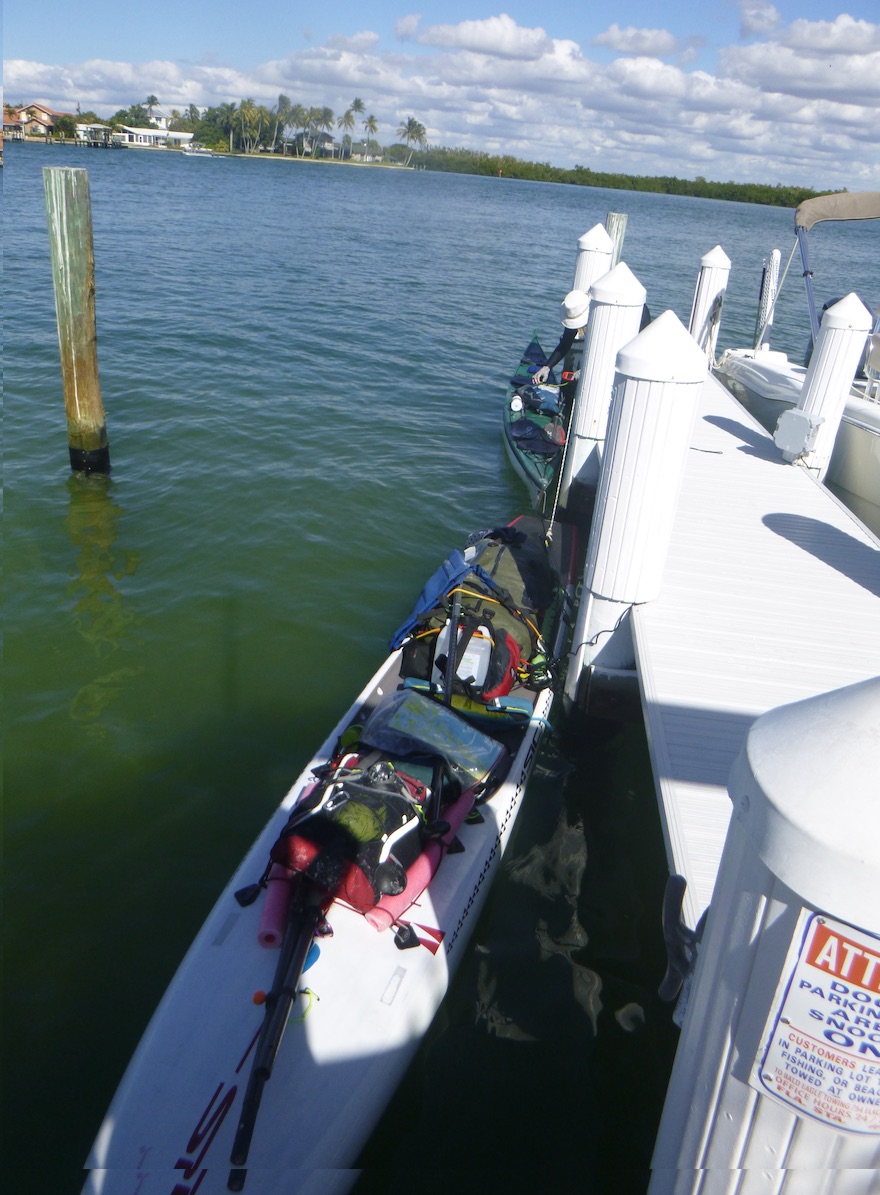
First up: launching in the midst of a marina make-over. Jackhammers pounded our ears as we set up the boat. By late Thursday afternoon, we were anchored near the marina and ready to north towards the Isle of Capri the next morning.

KneeDeep 1, our floating tent
Bivy gear for when plans go awry

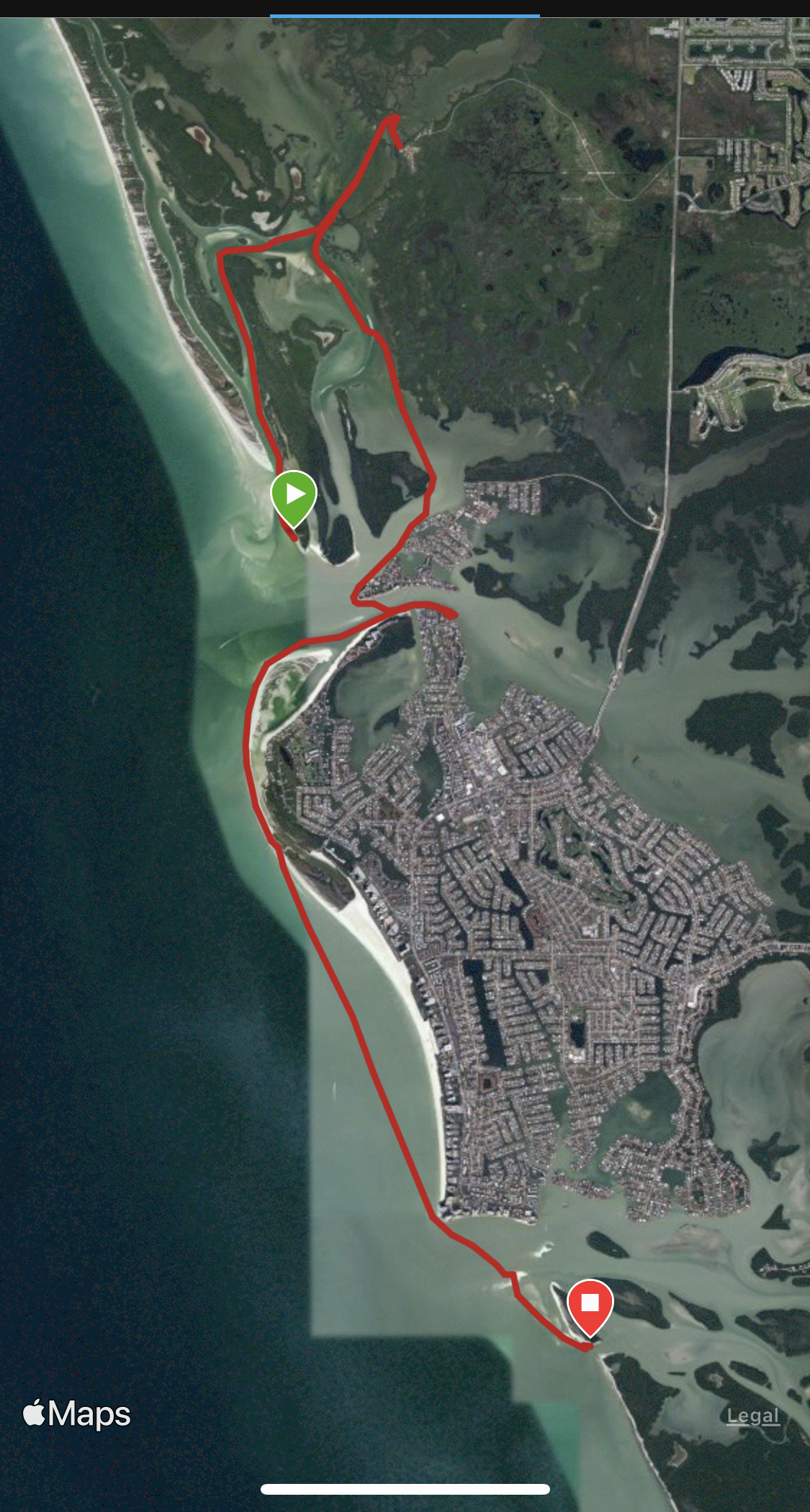
Friday’s goal: a Johnson Bay anchorage. Kevin sailed out Caxambas Pass, along the outside, and back up Big Marco Pass. I paddled up the Marco River past Goodland, though the mangroves near Paddlers Park, and into Johnson Bay. I sat on the beach at the mouth of the pass, watching for Kevin and enjoying the clear water and white sand. I knew the boat wake and shoals would make for a challenging sail up the pass. The tides didn’t favor either of us that day, but we still made it to our anchorage on time.

From Goodland to Johnson Bay, near Isle of Capri
Prime viewing for sunsets and star-gazing

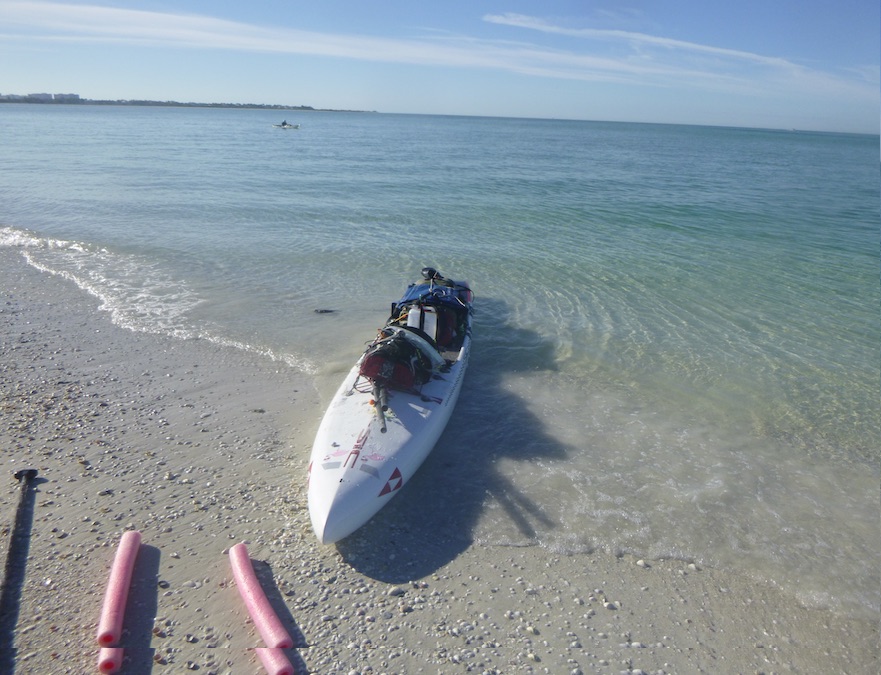
Saturday: exploring nearby bays and the islands near Big Marco Pass. Wind and waves helped us test our gear. Kevin tweaked new reefing and rigging systems, and I worked with wind and boat wake in the mangrove channels. Boat wake in narrow channels is challenging because you get both the original swell and refracting waves. The Atlantis board is a dug-out style, meaning that its higher walls give both secondary stability and keep me closer to the water. Even though this new board is narrower than my other board, it handles conditions well.

Johnson Bay to Caxambas Pass
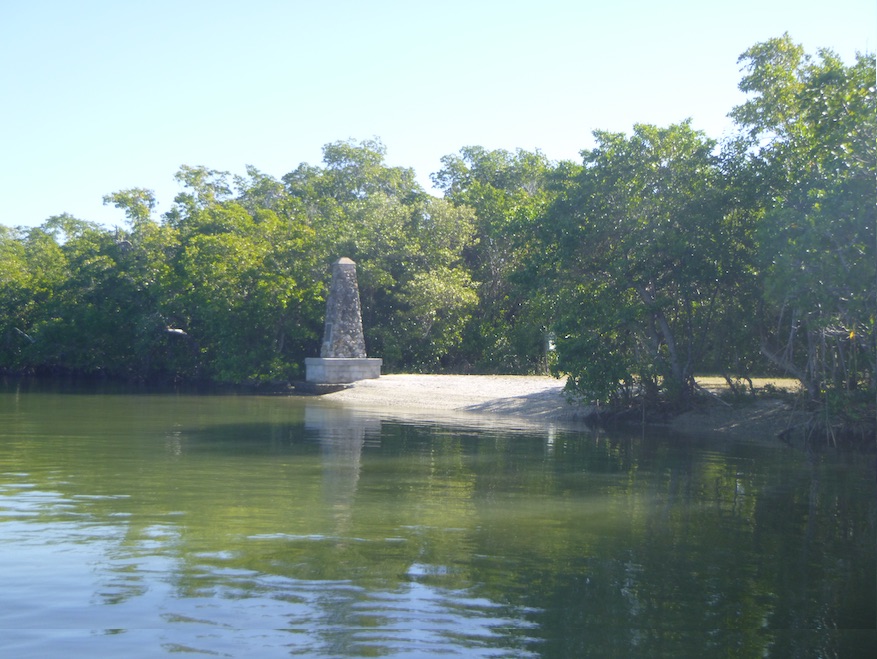
Dickman Point
Kevin on the horizon

A sporty day en route to Caxambas Pass! The wind dropped, but the waves continued rolling in. We rode the tide out Big Marco Pass, and a welcome tailwind pushed us along the coast of Marco Island towards Caxambas Pass. I had to stay outside the breaking waves or risk getting barrel-rolled in the surf. Not fun with a loaded board. Kevin sailed around the outside, while I explored bays and islands around Caxambas Pass and Dickman Point.

Parade of barges in Caxambas Pass

We anchored in Caxambas Pass that night. hoping for protection from a north wind. The wind never rose as expected, but the strength of the current in Caxambas Pass surprised us. Tying off the board to the boat was difficult as I held a rope in one hand while tying off with the other. Failure was not an option.

Roseate spoonbills in Caxambas Pass

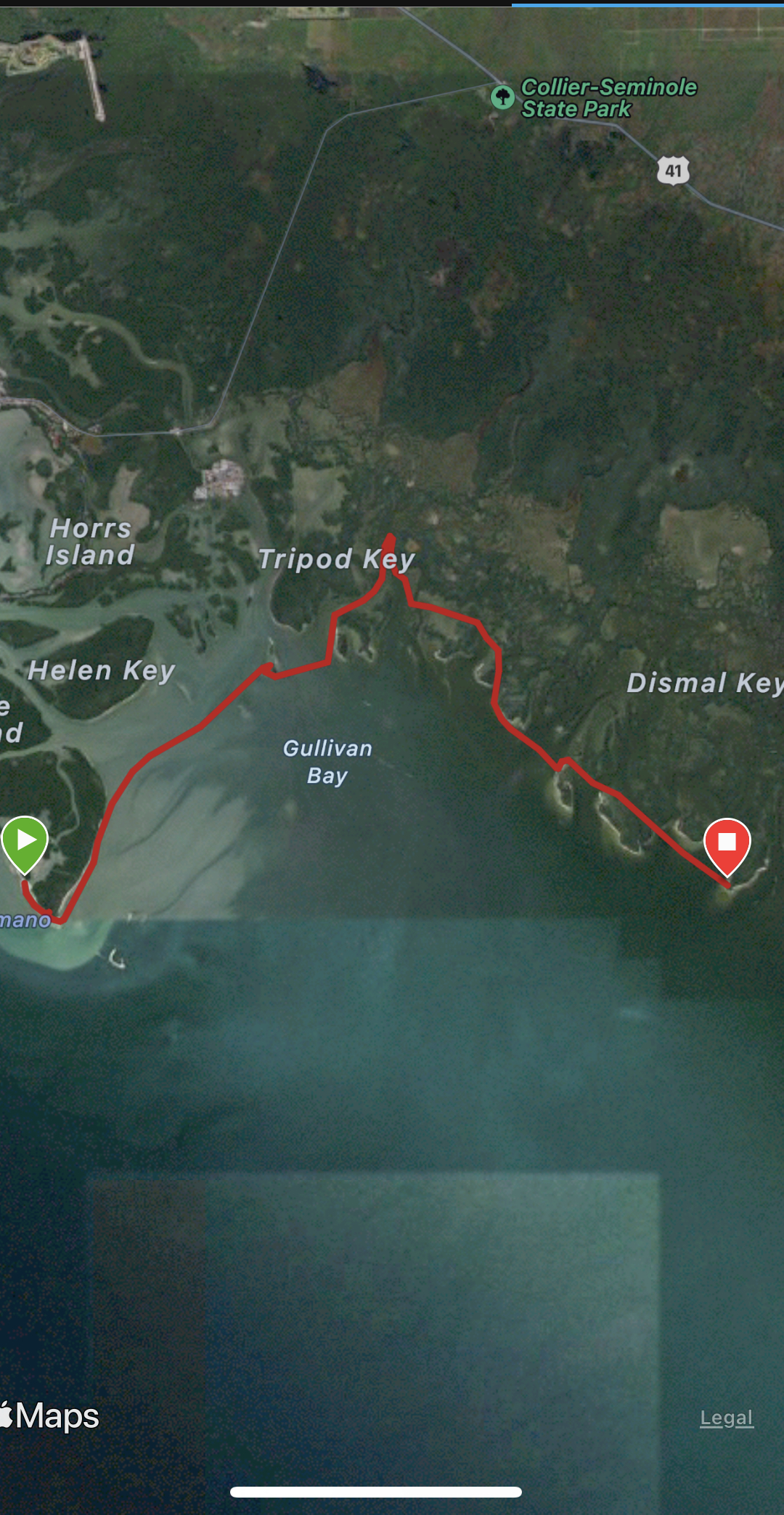
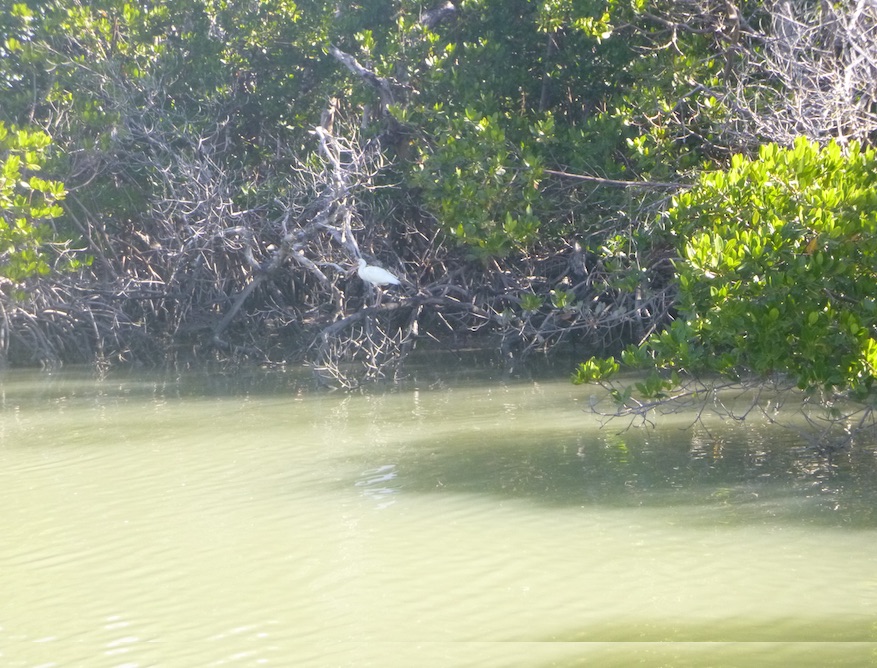
Sunday — a glorious day for me with clear skies and no wind. For sailors, not so much. I saw birds along the Morgan River, relaxed on Cape Romano, and watched sea life below as I crossed the sand flats in Gullivan Bay. Meanwhile, Kevin dozed while KneeDeep heaved to and drifted slowly.

Clear water on the sandflats in Gullivan Bay
Caxambas Pass to Tripod Key
Morgan River near Cape Romano
Cape Romano
Gullivan Bay

We met later that afternoon near Tripod Key, a short distance from our take-out in Goodland. Even then, as predicted, the weather was changing, and we wanted an easy exit. As I was paddling up Coon Key Pass, I chatted briefly with a paddler headed out for the night. It turned out to be Kayak Flexafari, a paddler whom I followed but had not yet met in person. Small world and great to meet in person.
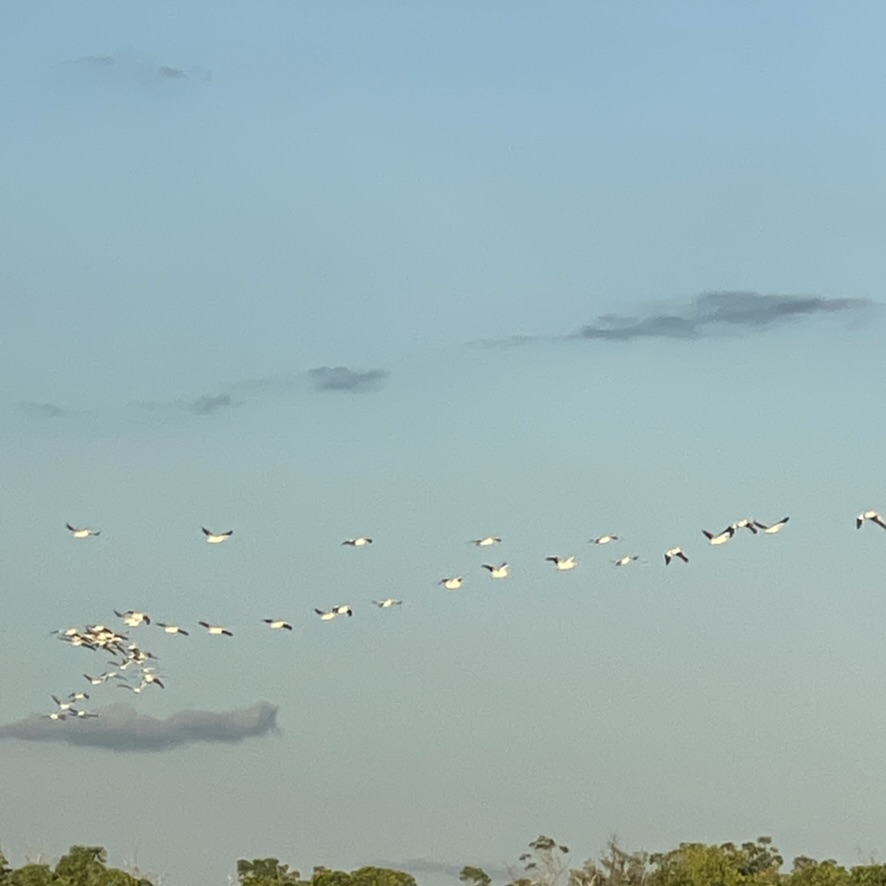
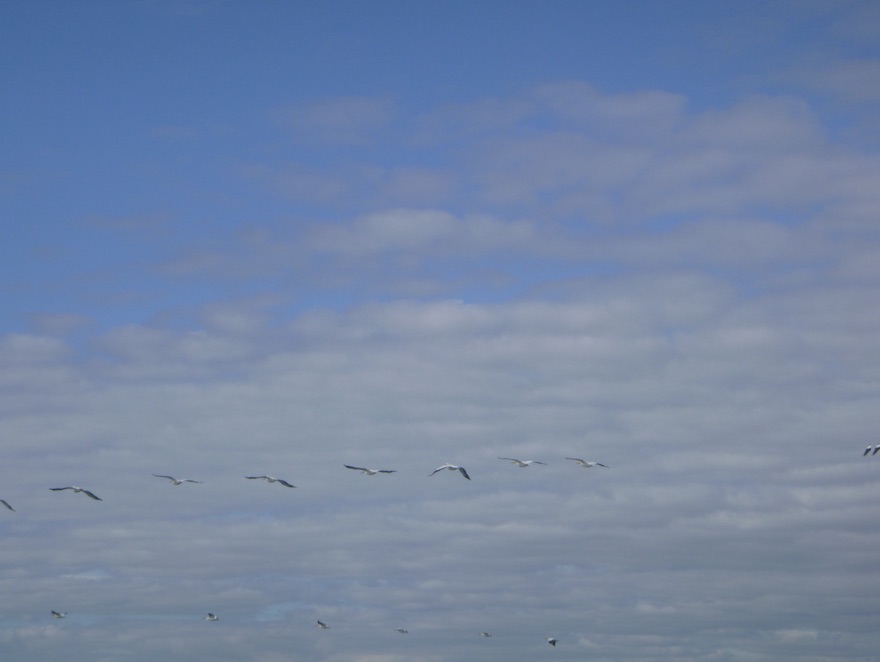
Flock of pelicans

As predicted, the wind came up the next morning. Fun enough for a sporty sail and paddle in the morning, but seriously gusty by the afternoon. Taking out the sailboat was the biggest challenge of the trip. Overall, we lucked out with our weather window. Enough conditions to make things interesting, but no white knuckles. And we almost followed our Plan A. Usually we’re down to Plan G by the time the trip is over.
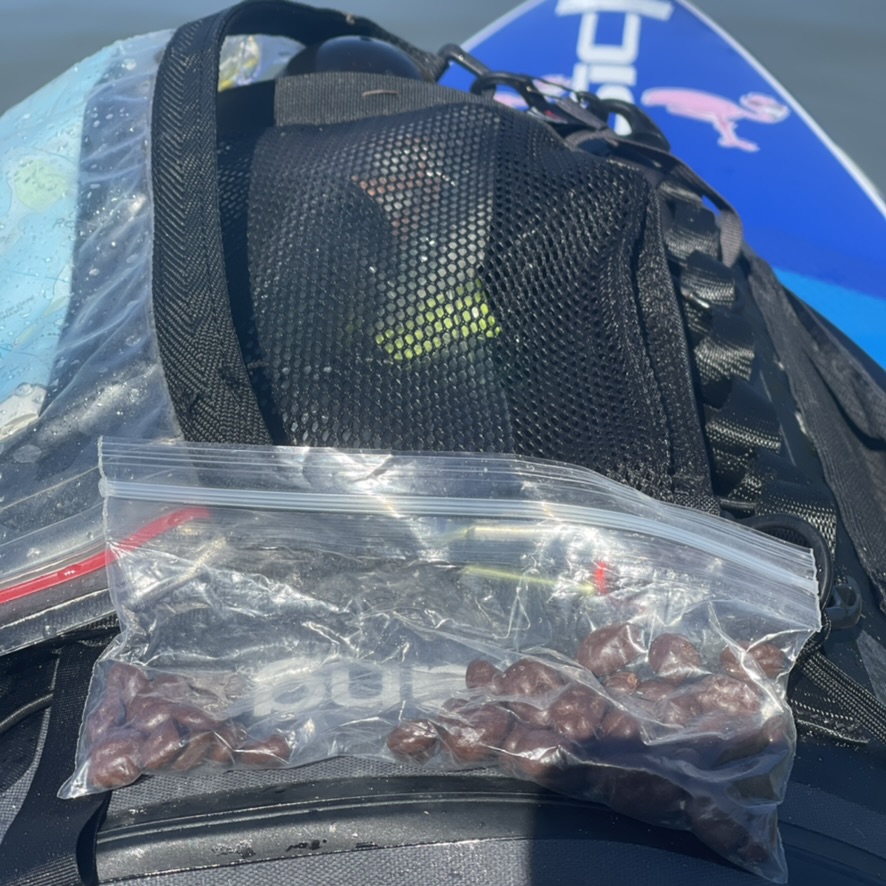
Raisinets–a poor choice in south Florida heat

The Ten Thousand Islands, Rookery Bay, and Everglades region is one of my favorite places in Florida. White sand beaches and spectacular sea and bird life. With all the islands, rivers, and channels, I always find something new to explore. On this SUP and sail trip, Kevin and I had the luxury of our floating tent. But Rookery Bay and the Ten Thousand Islands offers plenty of white sand beach camping opportunities, sites I have used on previous trips. I’m looking forward to our next trip back in January.
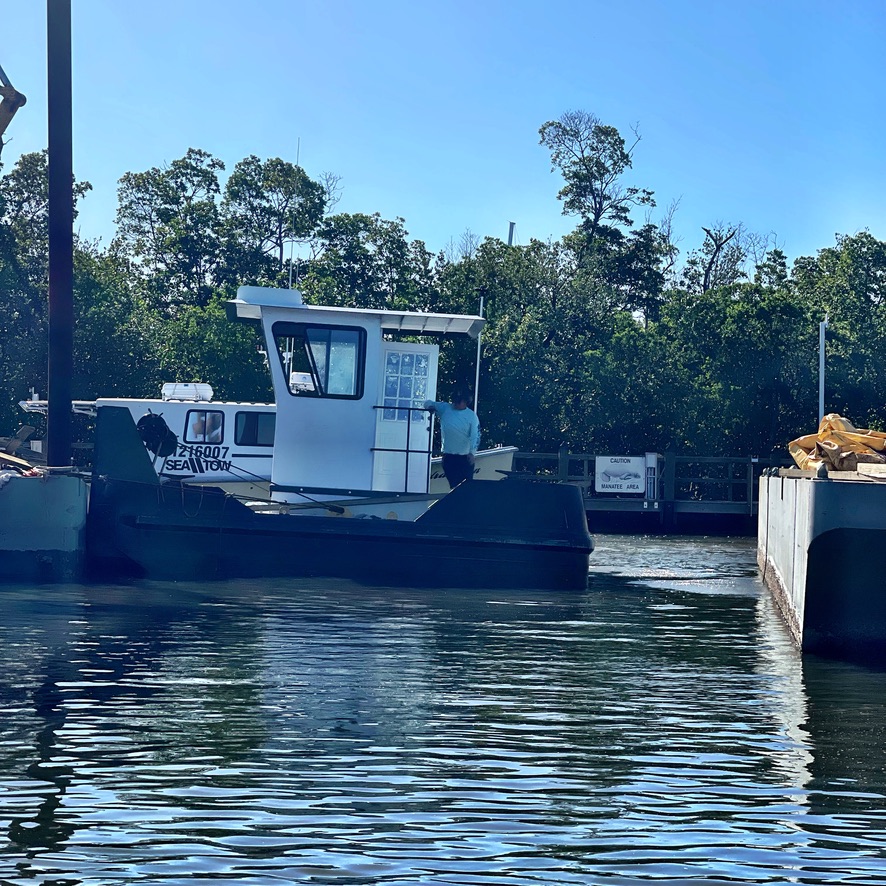
Ramp reserved for kayaks and paddleboards.

Scouting the Ten Thousand Islands and Rookery Bay

No better way to spend a balmy November week in Florida than paddling the Ten Thousand Islands. Post hurricane season and before waves of northern fronts and tourists. Janice, Director of Paddle Florida, and I both needed to scout for different reasons. Janice for an upcoming Paddle Florida trip, and me for the Everglades Challenge in March. We had done multiple trips to the south, and it was time for a new adventure.

Ready to launch

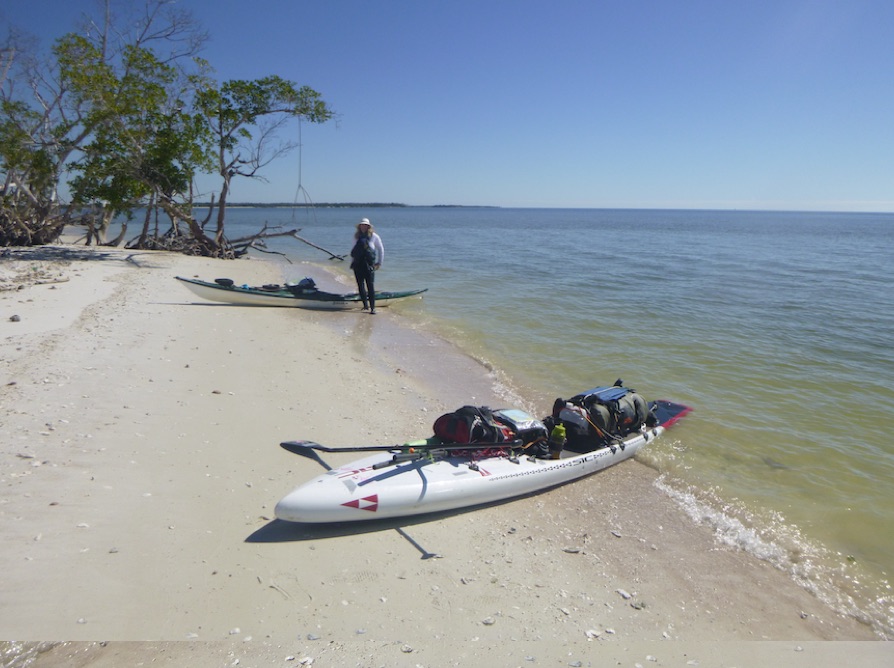
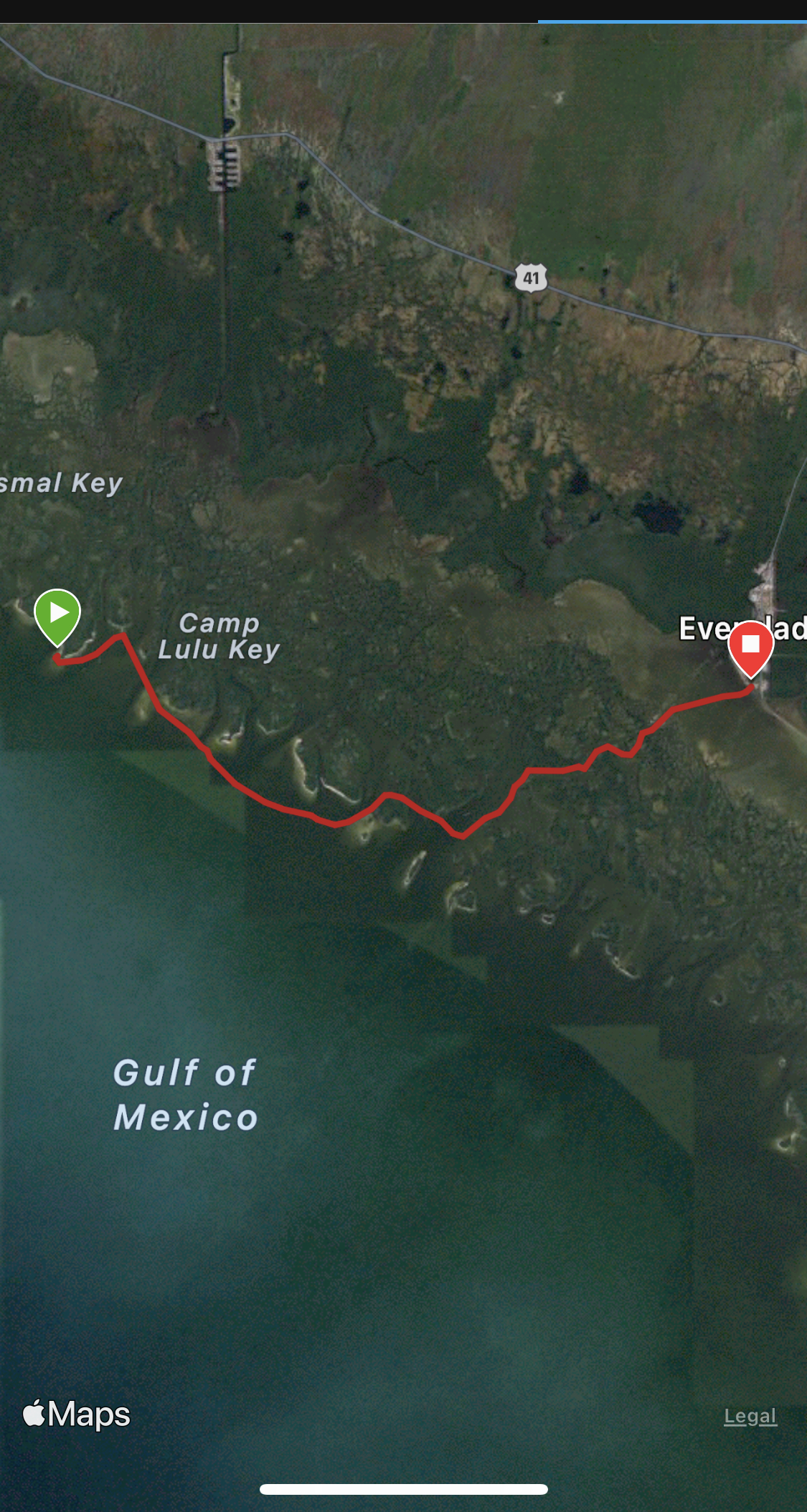
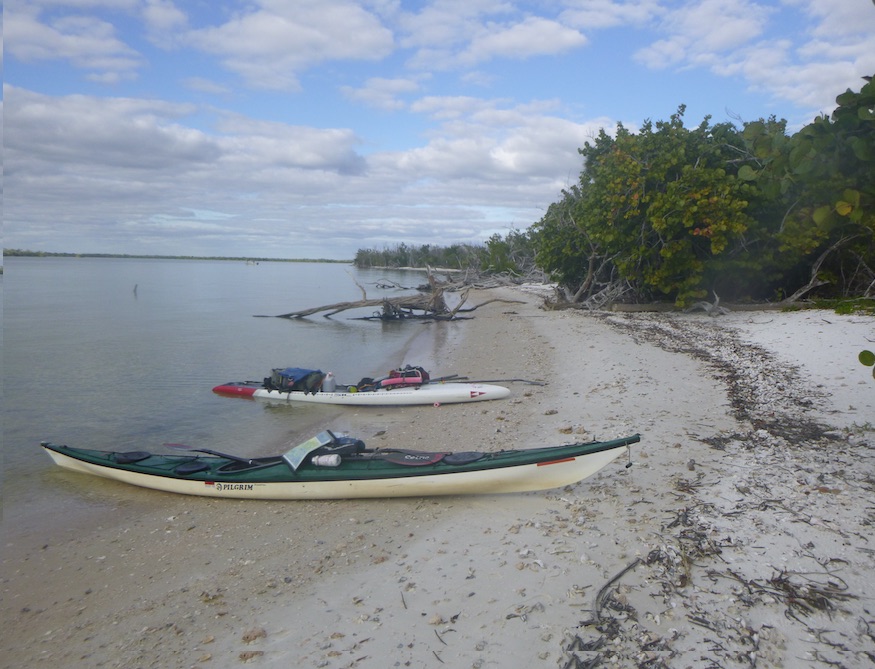
We launched from the Ranger Station in Everglades City and headed northwest towards the Ten Thousand Islands National Wildlife Refuge. Janice in her NDK Pilgrim Expedition, and I on my SIC RS 14′ x 26. The first day of paddling was familiar from previous trips—Indian Key Pass, Picnic and Tiger Keys, and Camp Lulu Key, where we crossed out of the Everglades National Park.

While Janice and I took note of the various agency boundaries, the birds flying overhead and the sharks swimming below did not. The flora and fauna of the Everglades, Ten Thousand Islands and Rookery Bay are breathtaking. Well, maybe not the raccoons.

Camp Lulu Key

After a brazen raccoon cut our lunch break short, we continued past Panther Key to our first campsite: White Horse Key. Despite rumors to the contrary, there are plenty of raccoons in the Ten Thousand islands and Everglades. I’ve met many of them.

Day 1: Everglades City to White Horse Key 13.05 miles
Morning coffee

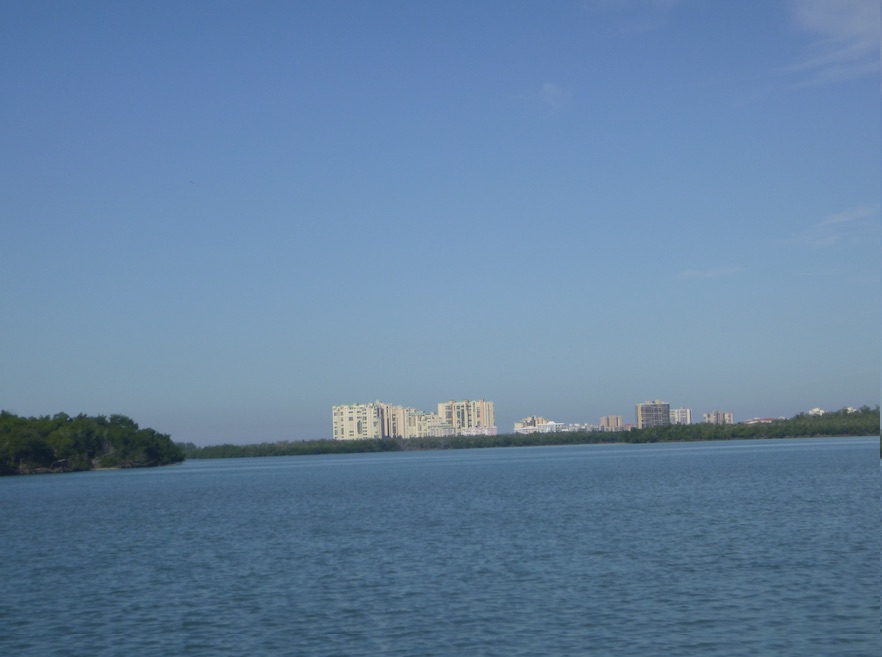
The next morning, we continued northwest. As soon as we rounded the corner of Gullivan Key, the hulking buildings of Marco Island appeared. They stalked us for the next 5 days..

Stalked by condos
Day 2: White Horse to Sea Oat 18.59 miles

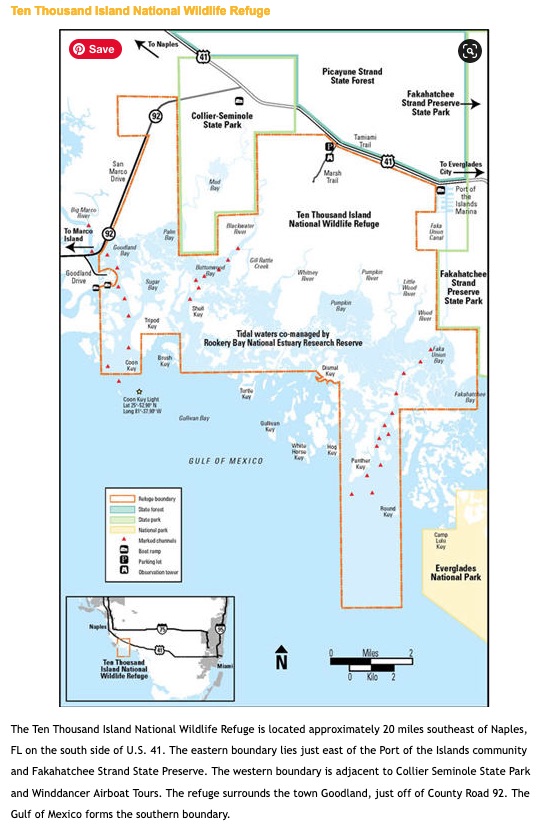
The tide carried us up Coon Key Pass towards Goodland and the Big Marco River. After the chaotic boat traffic in Goodland, the Marco River was surprisingly pleasant. We paddled up a ditch and under a bridge to reach Isle of Capri’s Paddle Park, a nice launch site and lunch stop. At this point, we had entered into the Rookery Bay Preserve, whose website has plenty of information about launches, routes, and camping. These waters are ideal for paddlers, plenty of birds and wildlife, calmer inland waters, and much less boat traffic.

Ditch to Isle of Capri Paddle Park
Isle of Capri Paddle Park
Mangrove short cut: once we found it
A potentially strategic culvert

From the Paddle Park, we wove our way through a mangrove tunnel and, after a few false starts, emerged near Johnson Bay and the Isle of Capri. We paddled towards the gulf and our night’s campsite on Sea Oat Island. Unlike the Everglades, the water was clear. No wonder people love this area.

Scenic Marco Island condos
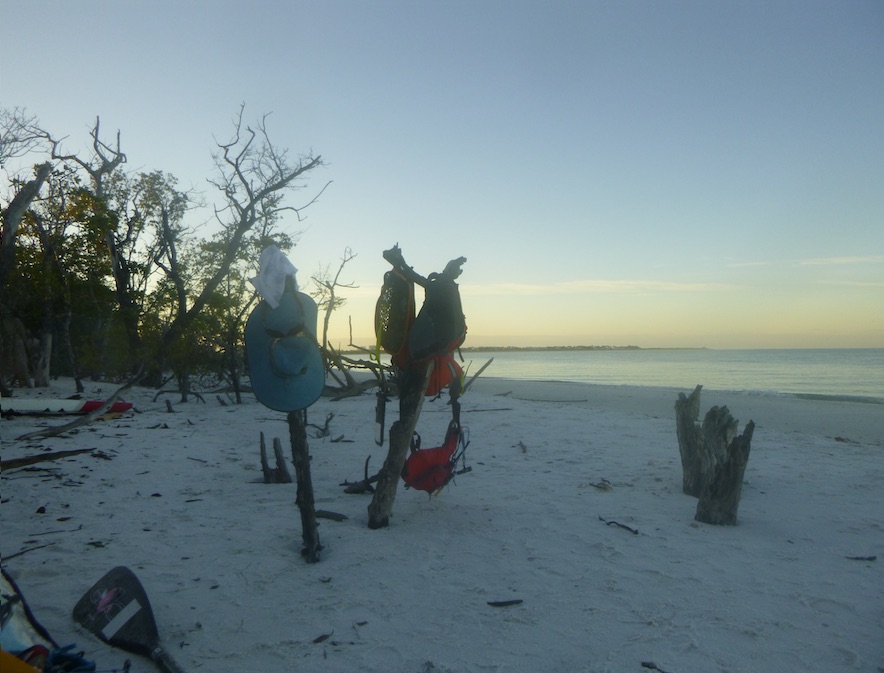
Hanging gear art
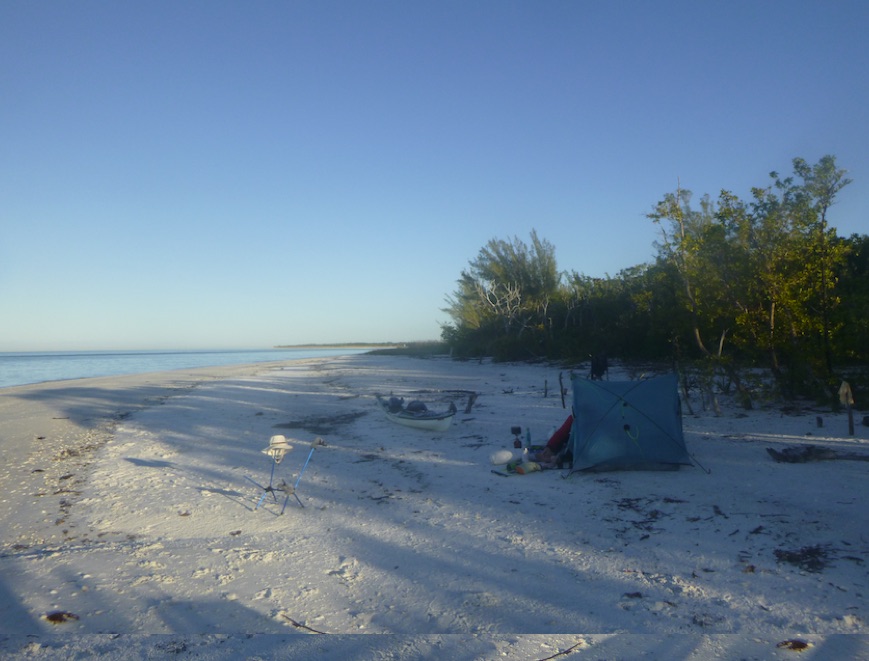
Tent life

On day 3, we continued scouting different sites, but none more important than the Snook Inn, the halfway point on the Everglades Challenge. After an epic fail with one of my (usually good) homemade dinners which I tossed into the fire, I wanted real food. But, as work comes before play, we had some scouting to do. From Sea Oat, we paddled past Keewaydin Island and explored Rookery Bay until we reached the Shell Island launch.

Children’s time capsule
glassy waters
Docked at the Snook Inn

Stuffed with coconut shrimp and the Snook Inn’s famous grouper sandwich, the chop and traffic of Big Marco Pass awaited us. It was a relief to round the corner and paddle parallel to the beaches of Marco Island. We crossed Caxambas Pass and made camp on Dickman Island.

Day 3: Sea Oat to Dickman 17.79 miles
There’s always a walk
Setting up just in time
A rare site not facing Marco Island

On to Cape Romano, a highlight only second to the Snook Inn, via Goodland. We meandered through the mangrove channels towards Goodland which both gave us more training miles and laid out less exposed routes for Paddle Florida. We stopped for lunch at Goodland, and I remembered one of Kevin’s and my first SUP and Sail trips. We’ve come so far.

Mangroves near Goodland
Goodland Boat Park where we met Sharknado, a kindred spirit
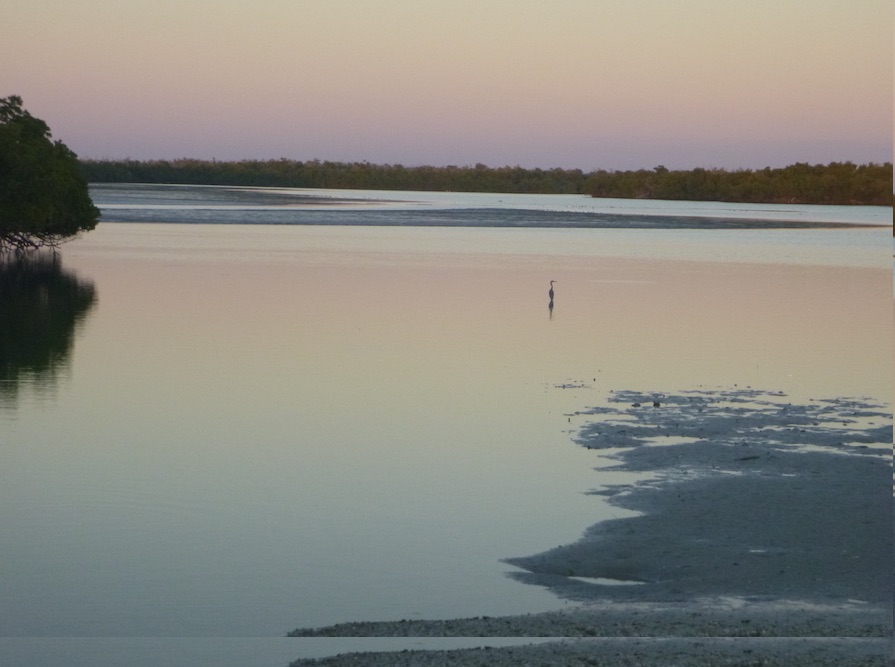
A moment of calm

Fueled by a power lunch of diet coke and Cheeto Puffs, we paddled towards Cape Romano. We passed Helen Key and followed the Morgan River to Morgan Bay, where our charts dubiously noted a passage between bay and gulf. We didn’t really believe that the passage was where we said it was, but we did want to explore the bay. The tide was falling, and birds walked where we recently paddled. The beach between bay and gulf beckoned. The dome houses could wait until tomorrow.

Day 4: Dickman to Cape Romano 13.91 miles
Between bay and gulf
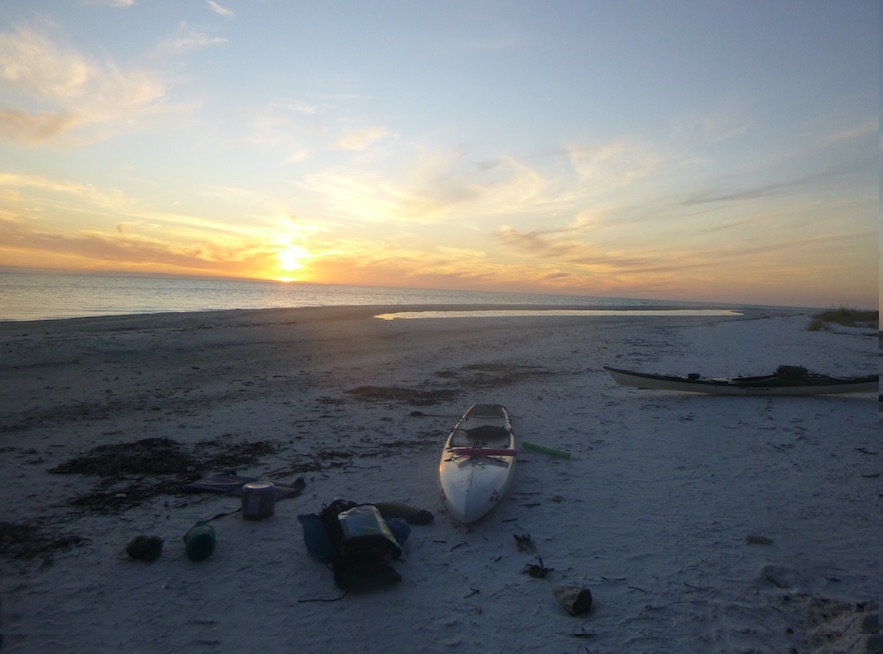
Our beach
Lower and lower
How low can it go?

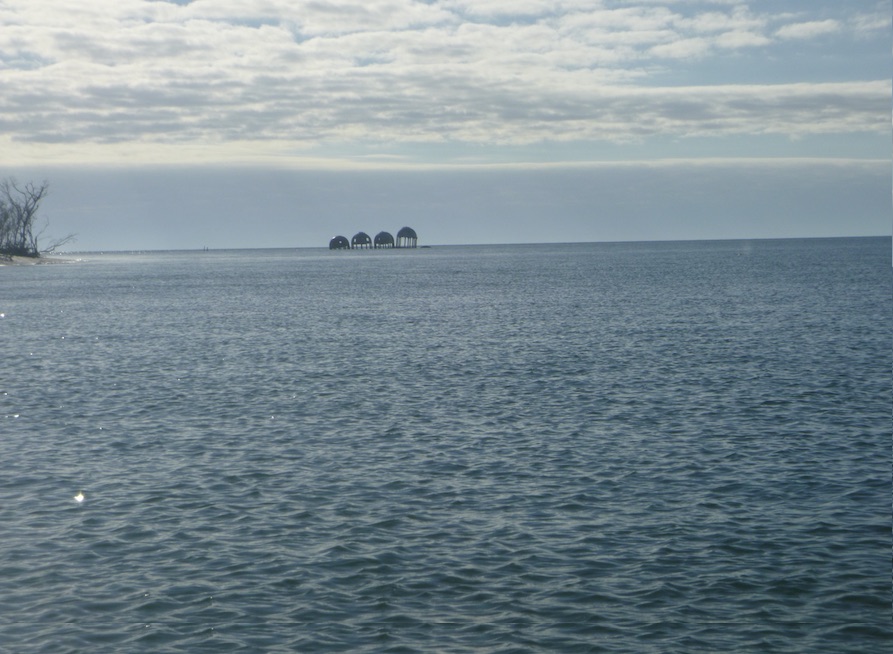
The next morning, we carried boat, board, and gear across the sand to the gulf, and we paddled to the dome houses just around the corner. I had first seen the dome houses of Cape Romano over 10 years ago while on a kayak camping trip with my husband Kevin. At the time, the buildings were on the beach, but erosion has washed away the sand, and now the domes are in the water.

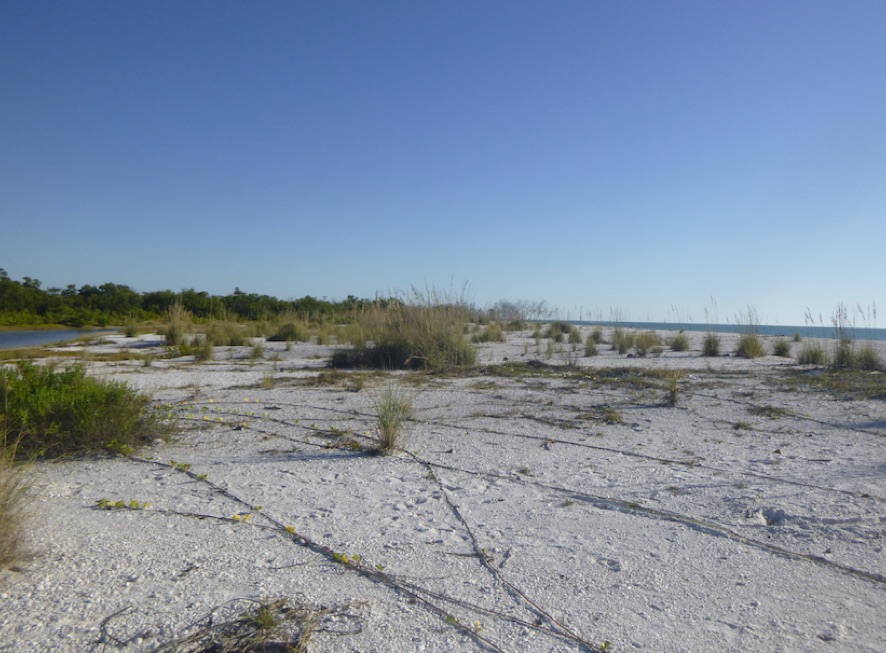
Cape Romano beach
Dome houses

After Cape Romano, we paddled towards Coon Key and towards yet another Shell Key that the Paddler Florida folks would visit. The weather was changing, and a front was coming. Our timing was good. We set up camp on Panther Key, which set us up for our final paddle into Everglades City.

Day 5: Cape Romano to Panther 13.27 miles
Pool noodles to protect the board from shells
Ibis waiting for lunch
Coon Key break
White pelicans
Pelicans in flight
Flying pelicans
Panther Key: home of bugs and raccoons

The tides had rarely been in our favor, and our paddle back to Everglades City was no exception. We needed to reach Everglades City in time for breakfast at Nely’s Corner in Everglades City. To do that, we needed to leave well before low tide at 7 am. Alarm at 4, launch at 5. 7.22 miles to go. One cup of coffee in camp, more at Nely’s Corner. As our eyes adjusted to the darkness, we paddled east, skirting the extensive shoals around Lulu Key, where we saw headlamps moving as campers began their morning routines. The sun rose over Indian Key as we began to fight the outgoing tide.

The sun returns

We hugged the shore and discovered side channels to avoid the tide. By 10 am, we had unloaded gear and rinsed off at the ranger station. By 11 am, we sat at Nely’s, sated with coffee, a breakfast sandwich, and a to go box of Key Lime pie for Kevin.

This trip was exploratory, long morning coffees and plenty of time to absorb the beauty. My next trip, probably the Everglades Challenge in March, won’t be so leisurely. I’ll be racing through, maybe at night, trying to make the checkpoints in time. Two radically different trip styles, but each bringing its own joys, challenges, and lessons. I’m grateful that I can experience this area in so many ways.

Meeting of the birds